
How to Remove Hard Water Buildup from a Faucet
Part of: Basic plumbing
- Difficulty
- Easy
- Time
- 20 to 45 minutes
- Tools
- White vinegar or citric acid, a small plastic bag and elastic band, an old toothbrush, a soft cloth, a pin for the aerator, gloves
- Call a pro if
- The faucet body is corroded or pitted, the finish is flaking, or the hard water buildup has blocked the faucet internally and the flow will not return after cleaning.
In this guide
- Gas safety
- Wear protection
- Chemical safety
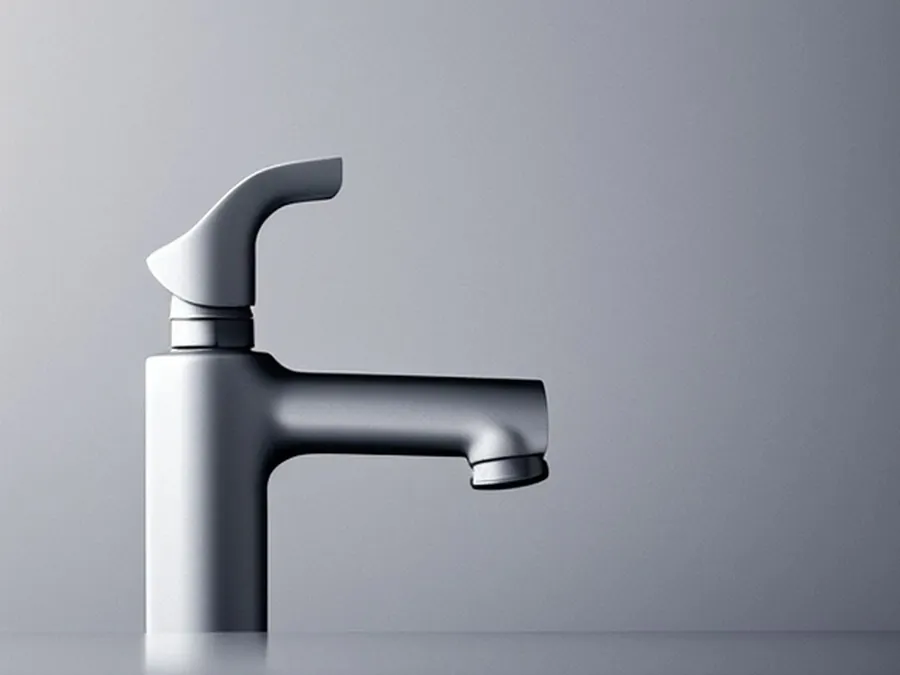
Hard water buildup is calcium and magnesium from hard water, and it builds up wherever water dries on a surface: the spout, the aerator, the base and the handles. It looks like a dull white crust and it eventually blocks the flow. The fix is an acid that dissolves the minerals, and vinegar or citric acid does it safely. How to remove hard water buildup from a faucet depends on the finish: vinegar for chrome and stainless, citric acid for brushed or plated finishes.
1. Identify the finish first
- Chrome and stainless: vinegar is fine for short soaks.
- Brushed or plated finishes: use citric acid, which is gentler, and do not leave it on long.
- Painted or powder coated: avoid acids; use a cloth soaked briefly and wipe off.
- Natural stone around the faucet: protect it, since acid etches stone.
Test on a hidden spot before soaking anything.
2. Soak the spout
The classic method works well:
1. Fill a small plastic bag with white vinegar or a citric acid solution.
2. Tie it over the spout with an elastic band so the spout is submerged.
3. Leave it for 30 minutes to a few hours depending on the buildup.
4. Remove the bag, wipe the spout, and rinse with clean water.
For a heavy crust, repeat or leave it overnight.
3. Clean the aerator
The aerator is the small mesh disc screwed into the tip of the spout, and it is where hard water buildup blocks the flow.
1. Unscrew the aerator by hand, or with pliers wrapped in a cloth.
2. Soak it in vinegar or citric acid for 30 minutes.
3. Scrub the mesh with an old toothbrush.
4. Clear the holes with a pin if needed.
5. Rinse, refit and run the faucet.
4. Clean the base and the handles
Hard water buildup collects where water sits.
1. Soak a cloth in vinegar and wrap it around the base of the faucet.
2. Leave for 20 to 30 minutes.
3. Wipe with a soft cloth and an old toothbrush in the crevices.
4. Rinse thoroughly.
Do not use a scouring pad on a plated finish.
5. Polish the finish
After descaling, dry the faucet with a soft cloth and buff it. A tiny amount of baby oil or a dedicated chrome polish on a cloth brings up the shine and leaves a film that slows new deposits.
6. Deal with a shower head and a shower screen
The same method works on a shower head: soak it in a bag of vinegar, then scrub the holes. Our guide on cleaning a shower head covers it, and our guide on removing hard water stains from glass covers the screen.
7. Stop it coming back
- Wipe the faucet dry after use, especially the spout.
- Clean weekly with a mild cleaner rather than waiting for the crust.
- Descale monthly in a hard water area.
- Consider a water softener if hard water buildup is a constant problem across the house.
- Keep the aerator clean so the flow stays even.
8. Know when cleaning is not enough
If the faucet still runs poorly after descaling the aerator, hard water buildup may have built up inside the cartridge. That usually means replacing the cartridge, which is a straightforward job on most modern faucets. Our guide on a low flow kitchen faucet covers the diagnosis.
Common mistakes
- Mixing vinegar with bleach.
- Leaving acid on a plated finish for hours.
- Scrubbing with an abrasive pad and dulling the chrome.
- Forgetting the aerator, which is where the blockage usually is.
- Letting acid run onto a stone countertop.
Related guides
- How to Remove Grout Haze From Tile
- How to Clean a Faucet Aerator
- How to Replace a Faucet Aerator to Fix Low Flow
- How to Clean a Glass Shower Door and Stop Hard Water Spots
- How to Clean Hard Water Stains From a Patio
FAQ
Does vinegar remove hard water buildup from faucets?
Yes. The acid dissolves the minerals. Soak for 30 minutes, then wipe and rinse.
What if I do not have vinegar?
Citric acid powder mixed with water works well and smells less. Lemon juice works for light deposits.
How often should faucets be descaled?
Monthly in a hard water area, every few months otherwise.
Will vinegar damage a chrome faucet?
Not with short soaks and a rinse. Do not leave it on for hours, and avoid it on plated or painted finishes.
More from this topic
- How to Remove Hard Water Stains from Glass Shower Doors: How to remove hard water stains from glass with vinegar, baking soda or citric acid, tell film from etching,...
- Bathroom Sink Faucet Drips From the Base: How to Fix It: Bathroom sink faucet drips from the base? Tighten the packing nut, replace the O-rings or the cartridge. Easy...
- How to Remove Rust Stains From Bathtub Surfaces: Learn how to remove rust stains from bathtub surfaces: baking soda paste or lemon and salt on porcelain,...
- How to Replace a Bathroom Faucet: Step by Step for Beginners: Learn how to replace a bathroom faucet in about two hours. Measure the holes, remove the old faucet, install...
- How to Remove Dried Caulk From Tile: Learn how to remove dried caulk from tile without scratching it: soften silicone, lift it with a plastic...
 BathroomHow to Remove Hard Water Stains from Glass Shower DoorsHow to remove hard water stains from glass with vinegar, baking soda or citric acid, tell film from etching, and keep shower glass clear.
 BathroomBathroom Sink Faucet Drips From the Base: How to Fix ItBathroom sink faucet drips from the base? Tighten the packing nut, replace the O-rings or the cartridge. Easy steps, tools and when to call a plumber.
 BathroomHow to Remove Rust Stains From Bathtub SurfacesLearn how to remove rust stains from bathtub surfaces: baking soda paste or lemon and salt on porcelain, gentler methods for acrylic and fiberglass.
 BathroomHow to Replace a Bathroom Faucet: Step by Step for BeginnersLearn how to replace a bathroom faucet in about two hours. Measure the holes, remove the old faucet, install the new one and check for leaks. Easy steps.
 BathroomHow to Remove Dried Caulk From TileLearn how to remove dried caulk from tile without scratching it: soften silicone, lift it with a plastic blade and clean the film with alcohol.