
How to Clean a Shower Head (Remove Mineral Buildup)
Part of: Basic plumbing
- Difficulty
- Easy
- Time
- 30 minutes of soaking plus 15 minutes of work
- Tools
- White vinegar, a bowl or a plastic bag with a rubber band, an old toothbrush, a toothpick or pin, adjustable wrench, a cloth, plumber's tape if you remove the head
- Call a pro if
- Pressure is low everywhere in the house, not just at the shower, since that points to a supply or valve problem rather than a dirty head.
In this guide
- Chemical safety
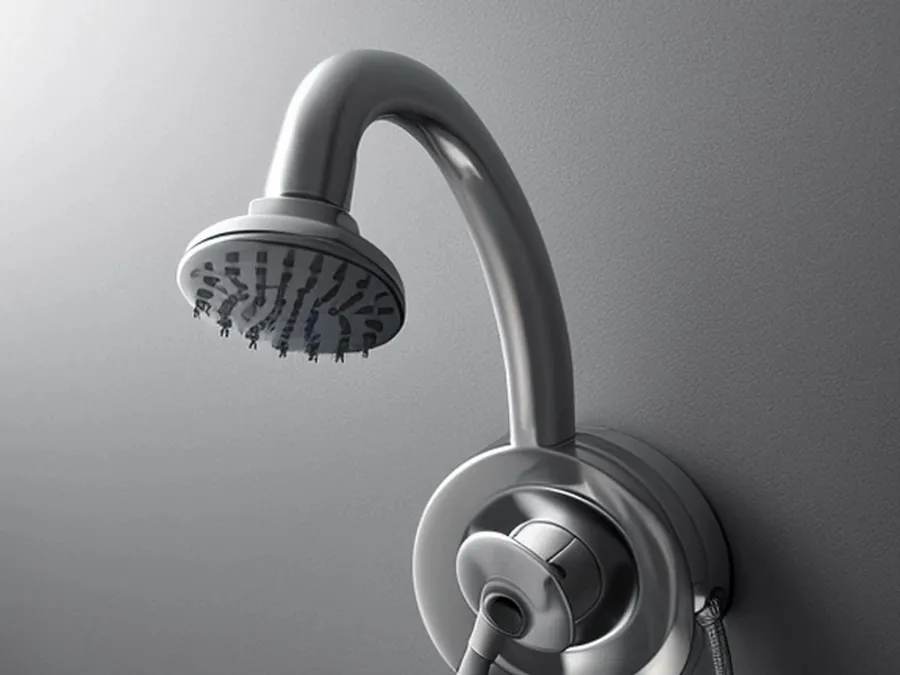
When your shower spray turns into a few weak jets and a scatter of sideways streams, the cause is almost always mineral scale. Hard water leaves calcium deposits that clog the nozzles bit by bit, and the fix costs pennies: plain white vinegar dissolves the scale. Here is how to clean a shower head and get the full spray back.
This guide is part of our wider guide to bathroom fixtures, tile and grout.
Method 1: The bag soak, no removal needed
This is the easiest route and handles most clogs. Fill a sturdy plastic bag halfway with white vinegar, lift it over the shower head so the nozzles are submerged, and secure it around the neck with a rubber band or twist tie. Make sure every nozzle sits under the vinegar line.
Let it soak for at least 30 minutes, and up to overnight for heavy buildup. Remove the bag, run hot water through the head for a minute to flush loosened scale, and scrub the nozzle face with an old toothbrush.
Method 2: Remove the head for a deep clean
If the bag soak leaves jets still blocked, take the head off. Wrap the connecting nut with a cloth to protect the finish, loosen it with an adjustable wrench, and unscrew the head by hand. Check the washer inside the connector and the small filter screen many heads have at the inlet: a clogged screen alone can strangle pressure. Rinse it or scrub it clean.
Submerge the head in a bowl of vinegar for an hour or more. After the soak, poke each blocked nozzle with a toothpick or a pin to break up stubborn deposits, scrub the face with the toothbrush, and rinse.
Reinstall without leaks
Wrap the shower arm threads with two or three clockwise turns of plumber's tape, then screw the head on hand-tight plus a gentle quarter turn with the cloth-padded wrench. Overtightening cracks plastic fittings. Run the water and check for drips at the connection; a small extra snug stops most weeping.
If the head is old, the arm drips at the wall, or the spray pattern never satisfied you, cleaning is also the moment to consider a swap. Our guide on replacing a showerhead walks through it, and fixing a leaking shower head or arm covers drips at the joint.
Rainfall and specialty heads
Large rainfall heads have dozens of rubber nozzles and rarely unscrew as easily. The bag soak is usually the practical choice, and many modern heads have flexible rubber jets you can simply rub with a thumb while the water runs, popping scale loose without any soaking at all. Check your head: if the nozzles are soft rubber nubs, a mid-shower rubdown is built-in maintenance.
Keep the buildup from returning
- Once a month, give the nozzle face a quick brush while the water runs.
- Every few months, repeat the vinegar soak as prevention rather than rescue.
- Wipe the head dry after the last shower of the day in very hard-water areas.
- If scale clogs everything in the house fast, from kettles to faucets, the water itself is the issue and a plumber can advise on softening. Our guide on low water pressure in one faucet shows the same mineral story at the faucet.
Common mistakes
- Using harsh descaling chemicals on a head with a specialty finish. Vinegar is safe for nearly all finishes; strong acids can strip them.
- Poking nozzles with metal picks on rubber jets, which tears them.
- Reinstalling without plumber's tape and chasing a drip at the joint.
- Forgetting the inlet filter screen, then wondering why pressure is still weak.
Related guides
- How to Remove Hard Water Stains from Glass Shower Doors and Windows
- How to Fix a Loose Shower Head Arm That Drips or Wobbles
- Mildew on Shower Grout: How to Remove It and Keep It Away
- How to Caulk a Shower So It Stops Leaking and Stays Clean
- How to Fix a Leaking Shower Head: Stop the Drip
- How to Remove Hard Water Buildup from a Faucet
FAQ
Will vinegar damage my shower head's finish?
Standard white vinegar is safe for chrome, brushed nickel and plastic. On specialty finishes like oil-rubbed bronze, keep soaks to 30 minutes and rinse promptly, or check the maker's care guide.
How do I know if the problem is the head or the water pressure?
Unscrew the head and run the shower arm briefly into a bucket. A strong flow from the open arm means the head was the problem. A weak flow means the restriction is upstream, in the valve or supply.
Can I run vinegar through the head from inside?
Some people feed vinegar into the arm, but it is hard to control and unnecessary. The external soak reaches the nozzles where scale actually forms.
More from this topic
- How to Fix a Shower That Loses Pressure or Runs Weak: Learn how to fix a shower that loses pressure: check the head and hose for scale, clean the filter and...
- How to Remove Hard Water Stains from Glass Shower Doors: How to remove hard water stains from glass with vinegar, baking soda or citric acid, tell film from etching,...
- How to Clean a Coffee Maker With Vinegar and Remove Buildup: Learn how to clean a coffee maker with vinegar: run a descaling cycle, rinse well, wash the carafe and...
- How to Increase Water Pressure in a Shower: Learn how to increase water pressure in a shower: clean the screen, descale the head, test other fixtures and...
- How to Clean a Glass Shower Door and Stop Hard Water Spots: Learn how to clean a glass shower door: dissolve hard water spots, scrub soap scum, squeegee after use and...
 BathroomHow to Fix a Shower That Loses Pressure or Runs WeakLearn how to fix a shower that loses pressure: check the head and hose for scale, clean the filter and cartridge, and tell a supply problem from a blocked one.
 BathroomHow to Remove Hard Water Stains from Glass Shower DoorsHow to remove hard water stains from glass with vinegar, baking soda or citric acid, tell film from etching, and keep shower glass clear.
 KitchenHow to Clean a Coffee Maker With Vinegar and Remove BuildupLearn how to clean a coffee maker with vinegar: run a descaling cycle, rinse well, wash the carafe and basket, and keep coffee tasting fresh.
 PlumbingHow to Increase Water Pressure in a ShowerLearn how to increase water pressure in a shower: clean the screen, descale the head, test other fixtures and find whether the head or the supply is at fault.
 BathroomHow to Clean a Glass Shower Door and Stop Hard Water SpotsLearn how to clean a glass shower door: dissolve hard water spots, scrub soap scum, squeegee after use and keep the glass clear with a quick weekly routine.