
How to Increase Water Pressure in a Shower
Part of: Basic plumbing
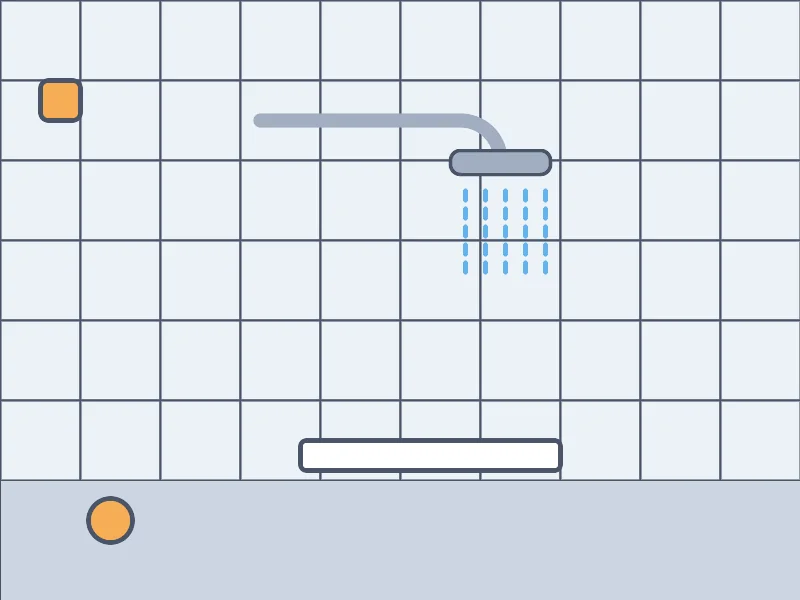
- Difficulty
- Easy
- Time
- 30 to 90 minutes
- Tools
- Adjustable wrench, bucket, white vinegar, old toothbrush, Teflon tape, new shower head, rag
- Call a pro if
- Every fixture in the house has low pressure, or pressure drops when another fixture runs, since that points to the supply or the pressure regulator.
In this guide
- Water off first
A weak shower is usually the shower head, not the plumbing. Mineral scale plugs the holes, a flow restrictor cuts the volume, and a clogged screen starves the head. Before you call anyone, work through the cheap checks. Here is how to increase water pressure in a shower.
1. Test other fixtures
1. Run the bathroom sink.
2. Run the kitchen faucet.
3. Run an outside faucet.
4. If only the shower is weak, the problem is at the head.
5. If everything is weak, the problem is the supply.
2. Check the pattern
1. Look at the spray pattern.
2. Some holes spraying hard while others dribble means scale.
3. A weak, even spray suggests a restrictor or a supply issue.
4. A sputtering head can mean air in the line.
5. Note whether hot and cold behave the same.
3. Remove the head
1. Put a rag over the chrome.
2. Turn the head counterclockwise with a wrench.
3. Have a bucket ready for the water in the arm.
4. Check the arm threads for damage.
5. Do not lose the washer.
4. Clean the screen
1. Look inside the head for a mesh screen.
2. Rinse it under running water.
3. Pick out grit with a toothbrush.
4. Soak the screen in white vinegar for an hour if it is crusty.
5. Rinse and refit it.
5. Descale the head
1. Fill a bag or bowl with white vinegar.
2. Submerge the face of the head.
3. Leave it an hour for light scale, overnight for heavy.
4. Scrub the holes with a toothbrush.
5. Rinse and run it before refitting.
6. Deal with the flow restrictor
1. Many heads have a small plastic restrictor in the inlet.
2. It limits flow to a rated number of gallons per minute.
3. Removing it raises flow but may break local rules.
4. Check your state's rules before removing anything.
5. A low-flow head with a good spray often feels stronger than a high-flow one.
7. Check the arm and valve
1. Look inside the shower arm for debris.
2. Flush the arm briefly with the head off.
3. Check the valve handles turn fully.
4. A valve that only half opens cuts flow.
8. Refit with tape
1. Wrap Teflon tape around the arm threads.
2. Two or three turns, in the direction of the threads.
3. Hand tighten the head, then a quarter turn with the wrench.
4. Do not overtighten; it cracks the plastic.
5. Run the water and check for leaks at the joint.
9. Check the whole house
1. Look at the main shutoff valve; a partly closed valve cuts pressure everywhere.
2. Check the pressure regulator setting if you have one.
3. Look for a partially closed valve on the line to the bathroom.
4. Old galvanized pipes rust shut from the inside.
10. Consider a new head
1. A modern head with a good spray pattern beats a scaled old one.
2. Look for a flow rate you are happy with.
3. Check the finish matches the trim.
4. Fit it with tape and test the joints.
5. Keep the old one as a spare.
Common mistakes
- Overtightening a plastic head and cracking it.
- Removing a restrictor without checking local rules.
- Cleaning with a harsh cleaner that pits the finish.
- Assuming the plumbing is at fault before cleaning the head.
- Ignoring low pressure at every fixture.
Related guides
- How to Fix a Shower That Drips
- How to Fix a Leaking Shower Head: Stop the Drip
- How to Fix a Shower That Loses Pressure or Runs Weak
- How to Replace a Shower Head: The 15-Minute Upgrade
- Water Pressure Low Throughout the House: What It Means
FAQ
Why is my shower pressure low but the sink fine?
The blockage is in the shower head, the screen or the shower arm, not the supply.
Does vinegar damage a shower head?
A soak in plain white vinegar is safe on most finishes; rinse it well afterward.
Can I raise pressure by removing the flow restrictor?
It raises flow, but many areas limit flow rates. Check before you do it.
Why does pressure drop when someone flushes?
That is a supply or pipe-size issue, not the shower head.
More from this topic
- Test Water Pressure at Home With a Gauge: Learn how to test water pressure at home with a simple gauge, read the result, find the normal range and fix...
- How to Clean a Faucet Aerator: Learn how to clean a faucet aerator to restore weak flow, with the vinegar soak, the screen order and the...
- How to Fix Low Water Pressure in One Faucet: How to fix low water pressure in one faucet by cleaning the aerator, checking the valve and flushing the...
- How to Install a Water Pressure Booster Pump: How to install a water pressure booster: confirm the cause of low pressure, then cut the pump into the main...
- How to Install a Water Pressure Regulator: Learn how to install a water pressure regulator: test the pressure, shut off the main, fit the valve the...
 PlumbingTest Water Pressure at Home With a GaugeLearn how to test water pressure at home with a simple gauge, read the result, find the normal range and fix pressure that is too high or low.
 PlumbingHow to Clean a Faucet AeratorLearn how to clean a faucet aerator to restore weak flow, with the vinegar soak, the screen order and the grit that blocks the flow.
 PlumbingHow to Fix Low Water Pressure in One FaucetHow to fix low water pressure in one faucet by cleaning the aerator, checking the valve and flushing the line. Easy steps, tools and when to call a plumber.
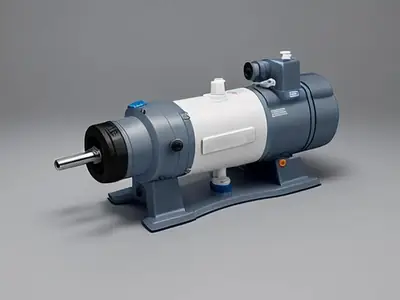 PlumbingHow to Install a Water Pressure Booster PumpHow to install a water pressure booster: confirm the cause of low pressure, then cut the pump into the main line and dial it in.
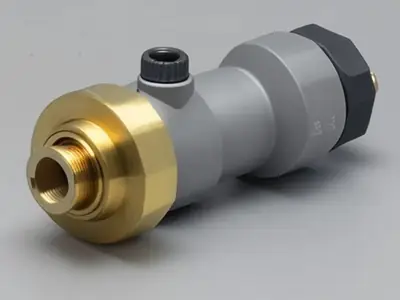 PlumbingHow to Install a Water Pressure RegulatorLearn how to install a water pressure regulator: test the pressure, shut off the main, fit the valve the right way round and set it to a safe pressure.