
How to Install a Water Pressure Booster Pump
Part of: Basic plumbing
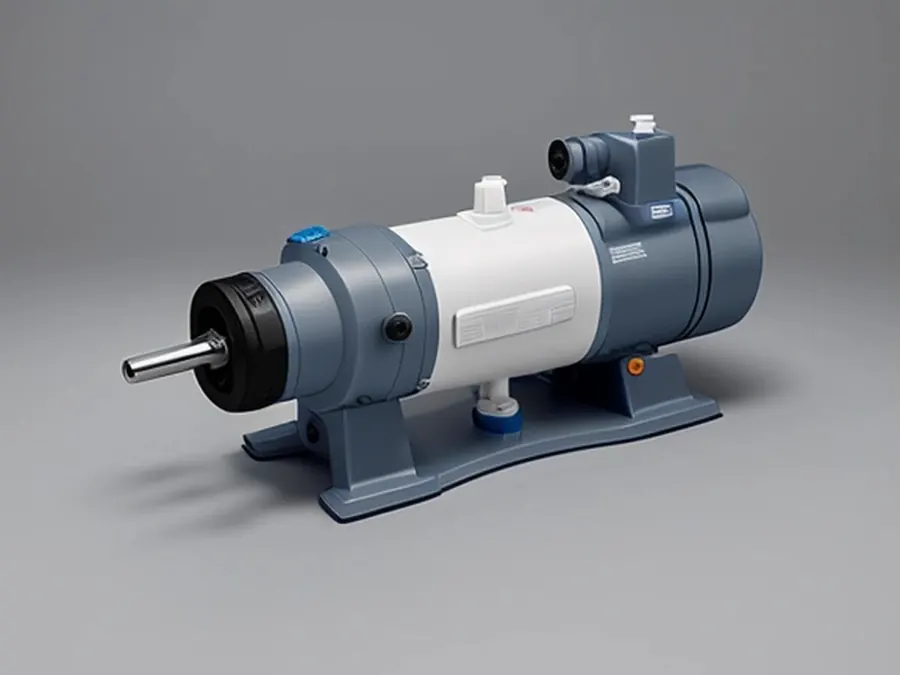
- Difficulty
- Advanced
- Time
- Half a day
- Tools
- A pipe cutter, two wrenches, a multimeter, a pressure gauge, the booster pump kit
- Call a pro if
- The low pressure comes from a clogged service line or a failing pressure regulator, since a booster on a restricted line fixes nothing.
In this guide
- Power off first
Showers that dribble and a second floor that barely flows: whole-house low pressure has a mechanical answer. How to install a water pressure booster is a cut-in on the main line plus a power connection, but the diagnosis comes first, because a booster is the right fix only when the supply itself is weak. This guide covers the check, the install and the calibration.
1. Confirm the pressure problem
Measure before buying.
1. Thread a pressure gauge onto a hose bib; how to check your water pressure covers the reading.
2. Under forty pounds per square inch at the main is the booster's territory.
3. Low at one fixture only is a fixture problem, not a house problem.
4. Pressure that sags only at peak times points to the municipal supply; the booster fixes that too.
2. Rule out the other causes
The free fixes first.
1. A partially closed main valve is the classic free fix.
2. A failing pressure regulator drops house pressure; replacing it beats boosting around it.
3. Clogged galvanized pipe restricts flow; a booster on a restricted line strains the pump and changes little.
4. The utility can confirm the street pressure in one call.
3. Choose the install location
The pump's home.
1. Cut in after the main shutoff and any pressure regulator, before the branches.
2. The pump needs a power outlet, a dry floor and service clearance.
3. A bypass loop around the pump allows service without shutting the house down.
4. Vibration pads under the pump keep the house quiet.
4. Cut in the pump
The plumbing.
1. Shut the main, drain the lines and cut the section for the pump and bypass.
2. Fit the isolation valves, the bypass tee and the pump unions per the kit.
3. Support the pipe and the pump; the assembly must carry no line stress.
4. Clean cuts and dry-fits first; the glue or the wrenches come last.
5. Wire the power
The electrical half.
1. Many boosters plug into a standard outlet; larger units need a dedicated circuit.
2. A dedicated circuit is an electrician's job where code requires it.
3. Keep every connection dry and the cord routed away from the plumbing.
4. The pump's pressure switch or controller mounts per the kit, usually on the pump itself.
6. Calibrate the pressure
The dial-in.
1. Open the main slowly and leak-check every new joint.
2. Start the pump and set the target pressure, typically fifty to sixty pounds.
3. Never exceed eighty; the plumbing and the water heater's relief valve disagree with more.
4. Test at the far fixtures: the second-floor shower is the honest judge.
7. Maintain the system
The habits that keep the pressure.
1. Check the gauge monthly; drift means the switch needs adjustment.
2. Exercise the bypass valves yearly.
3. Listen for the pump cycling at night; cycling with no use means a leak somewhere.
4. How to raise water pressure in your shower covers the fixture-level fixes when one shower is the only complaint.
Common mistakes
- Boosting around a failing regulator instead of replacing it.
- Setting the pressure above eighty pounds and weeping every joint in the house.
- Skipping the bypass loop and shutting the house down for every service.
- Mounting the pump unsupported so vibration walks it.
- Ignoring the municipal call; sometimes the fix is the utility's, and it is free.
Related guides
- How to Replace a Well Pressure Switch
- How to Install a Water Pressure Regulator
- Water Pressure, Pipes and Sump Pumps: What to Check
- How to Install or Replace a Sump Pump Check Valve
- Low Hot Water Pressure: What to Check
- How to Install a Water Softener: The Basics
When to call a pro
The plumbing side is moderate DIY, but call a licensed electrician for the pump's power supply if no suitable GFCI-protected circuit exists, and never set the output above 80 psi; higher pressure defeats the water heater's relief valve margin and stresses every joint in the house. Call a licensed plumber if pressure stays low with the booster running, since that points to a supply or leak problem a pump cannot fix. Sources: IRC P2903.3, NFPA 70 (NEC) 210.8, manufacturer instructions.
FAQ
How do you install a water pressure booster pump?
Confirm house pressure is under forty pounds with a gauge, then cut the pump into the main line after the shutoff with a bypass loop, wire its power, and calibrate to fifty to sixty pounds. Half a day with plumbing basics.
Do I need a water pressure booster?
Only when the incoming supply itself is weak: under forty pounds at the main, or pressure that sags at peak times. Low pressure at one fixture, or a failing regulator, has cheaper fixes.
What pressure should a house have?
Fifty to sixty pounds per square inch is the comfortable standard. Under forty feels weak; over eighty strains pipes, fixtures and the water heater's relief valve.
Are booster pumps noisy?
Modern boosters run quietly on vibration pads, and most cycle only during use. A pump cycling with no water use is telling you there is a leak; listen for that.
More from this topic
- How to Replace a Well Pressure Switch: How to replace a well pressure switch: kill the power, swap the switch on its nipple and set the cut-in and...
- Test Water Pressure at Home With a Gauge: Learn how to test water pressure at home with a simple gauge, read the result, find the normal range and fix...
- Water Pressure Low Throughout the House: What It Means: Water pressure low throughout the house points to the meter valve, the pressure regulator, old galvanized...
- How to Install a Fridge Water Line for the Ice Maker: How to install a fridge water line: tap the cold supply, run the tubing to the fridge and connect the ice...
- How to Install a Toilet Flange Extender: How to install a toilet flange extender: raise a buried flange to floor level and stop the rocking, leaking...
 PlumbingHow to Replace a Well Pressure SwitchHow to replace a well pressure switch: kill the power, swap the switch on its nipple and set the cut-in and cut-out right.
 PlumbingTest Water Pressure at Home With a GaugeLearn how to test water pressure at home with a simple gauge, read the result, find the normal range and fix pressure that is too high or low.
 PlumbingWater Pressure Low Throughout the House: What It MeansWater pressure low throughout the house points to the meter valve, the pressure regulator, old galvanized pipes or the city supply. Check them in order.
 PlumbingHow to Install a Fridge Water Line for the Ice MakerHow to install a fridge water line: tap the cold supply, run the tubing to the fridge and connect the ice maker without leaks.
 PlumbingHow to Install a Toilet Flange ExtenderHow to install a toilet flange extender: raise a buried flange to floor level and stop the rocking, leaking toilet for good.