
Water Pressure Low Throughout the House: What It Means
Part of: Basic plumbing
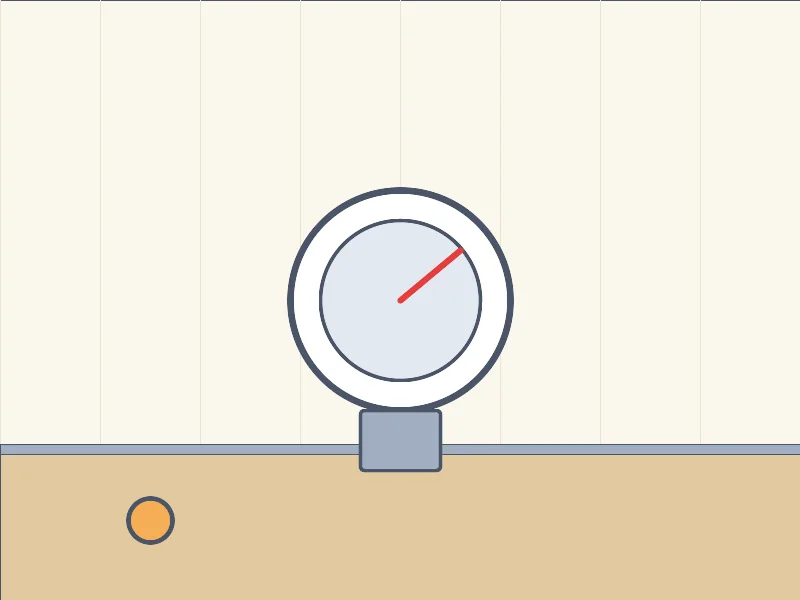
- Difficulty
- Easy
- Time
- 20 to 30 minutes of checks
- Tools
- A water pressure gauge that screws onto a hose bib, a flashlight
- Call a pro if
- The pressure regulator needs replacing, you have galvanized pipes, or the problem is on the city side past your meter, since those are pro or utility jobs.
In this guide
- Water off first
When every faucet runs weak, the cause is house-wide, and that narrows the suspects considerably. Water pressure low throughout the house comes from one of five places: the valves, the regulator, the pipes, the meter or the city. A cheap gauge and twenty minutes sort them out.
1. Measure the pressure first
Guessing wastes the afternoon.
1. Screw a pressure gauge onto an outdoor hose bib or the laundry tap.
2. Normal residential pressure runs about 40 to 60 psi.
3. Below 40 is genuinely low; below 25 is a real problem.
4. The technique is in how to test home water pressure with a gauge.
2. Check whether it affects hot, cold or both
This splits the list in half.
1. Weak flow on hot only points at the water heater, not the supply.
2. Weak flow everywhere on both hot and cold points upstream, at the supply side.
3. If only one fixture is weak, this is the wrong guide; see how to fix low water pressure in one faucet.
4. Note whether the weakness arrived suddenly or crept in over months.
3. Check the main valves
Half-closed valves cause whole-house weakness.
1. Find the main shutoff at the meter or where the line enters and confirm it is fully open.
2. Ball valves align the handle with the pipe when open; gate valves turn counterclockwise fully.
3. If anyone did plumbing work recently, a valve may be partly closed.
4. Open gate valves gently; old stems snap, and then you need how to shut off a water main in a hurry.
4. Suspect the pressure regulator
Homes with a regulator have a failure point.
1. Find the bell-shaped regulator where the main enters, usually near the shutoff.
2. Regulators fail gradually, and low pressure everywhere is the classic sign.
3. A failed regulator can also cause pressure that creeps too high, which is worse.
4. Replacement is a plumber job in most homes; how to install a water pressure regulator shows what is involved.
5. Consider the pipes themselves
Old steel pipes close up from the inside.
1. Galvanized steel pipes, common before the 1960s, corrode internally until flow is a trickle.
2. The giveaway is pressure that declined over years, worst at the fixtures furthest from the meter.
3. No valve or adjustment fixes corroded pipes; repiping is the cure.
4. Copper and PEX do not have this failure mode, so check what your house is made of.
6. Rule out the city side
Sometimes the house is innocent.
1. Ask neighbors whether their pressure dropped too.
2. Call the water utility and ask about main breaks, hydrant flushing or pressure zone changes.
3. If the city side is fine, the problem is between the meter and your faucets.
4. A water meter spinning with everything off suggests a hidden leak stealing flow instead.
7. Watch for the hidden-leak pattern
Leaks and low pressure travel together.
1. Check the meter with everything off; movement means water is escaping somewhere.
2. Look for soggy patches in the yard along the service line path.
3. A high water bill with no visible leak is the same investigation from the billing side.
4. Underground service line leaks are a plumber-and-utility conversation about who owns which side.
Common mistakes
- Adjusting the regulator blindly and creating a high-pressure problem.
- Blaming the water heater when cold flow is weak too.
- Forcing old gate valves and snapping the stem.
- Treating galvanized pipe corrosion as a fixture problem for years.
- Skipping the gauge and guessing from shower feel.
FAQ
What causes low water pressure in the whole house?
The short list: a partly closed main valve, a failed pressure regulator, corroded galvanized pipes, a hidden leak in the service line, or a city supply problem. A gauge test and the hot-versus-cold check narrow it in minutes.
What is normal house water pressure?
About 40 to 60 psi. Below 40 feels weak, below 25 is a real fault, and above 80 damages appliances and valves, which is why regulator problems cut both ways.
Can a water softener cause low pressure?
Yes. A clogged or failing softener or whole-house filter restricts flow to everything after it. Bypass it temporarily and retest to confirm.
Why did my water pressure drop suddenly overnight?
Sudden whole-house drops are usually utility work, a main break, a regulator that failed at once, or a valve that got bumped. Check with the utility and your neighbors first.
Related guides
- Test Water Pressure at Home With a Gauge: Learn how to test water pressure at home with a simple gauge, read the result, find the normal range and fix...
- Shower Goes Hot and Cold: What It Means: Shower goes hot and cold? It is usually a pressure-balancing issue, a tired mixing valve or a struggling...
- How to Fix Low Water Pressure in One Faucet: How to fix low water pressure in one faucet by cleaning the aerator, checking the valve and flushing the...
- How to Install a Water Pressure Booster Pump: How to install a water pressure booster: confirm the cause of low pressure, then cut the pump into the main...
- How to Install a Water Pressure Regulator: Learn how to install a water pressure regulator: test the pressure, shut off the main, fit the valve the...
 PlumbingTest Water Pressure at Home With a GaugeLearn how to test water pressure at home with a simple gauge, read the result, find the normal range and fix pressure that is too high or low.
 PlumbingShower Goes Hot and Cold: What It MeansShower goes hot and cold? It is usually a pressure-balancing issue, a tired mixing valve or a struggling water heater. How to tell them apart.
 PlumbingHow to Fix Low Water Pressure in One FaucetHow to fix low water pressure in one faucet by cleaning the aerator, checking the valve and flushing the line. Easy steps, tools and when to call a plumber.
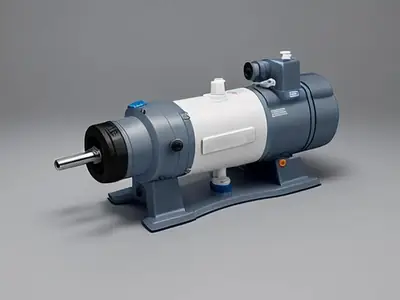 PlumbingHow to Install a Water Pressure Booster PumpHow to install a water pressure booster: confirm the cause of low pressure, then cut the pump into the main line and dial it in.
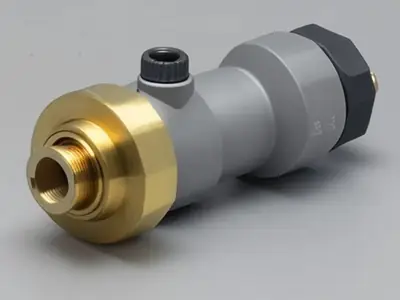 PlumbingHow to Install a Water Pressure RegulatorLearn how to install a water pressure regulator: test the pressure, shut off the main, fit the valve the right way round and set it to a safe pressure.