
How to Repair a Hole in a Hollow Door
Part of: Floors, walls and doors
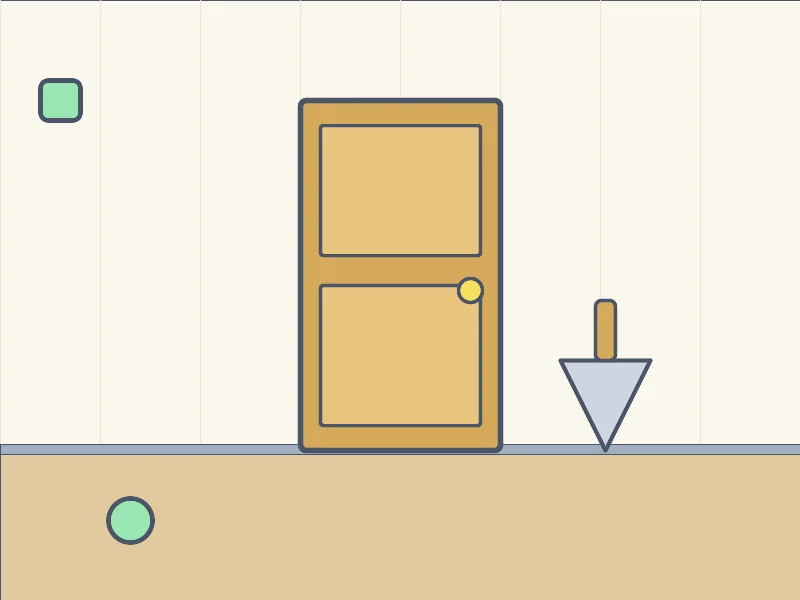
- Difficulty
- Moderate
- Time
- 1 to 2 hours plus drying
- Tools
- utility knife, straightedge, pencil, drill, jigsaw or hole saw, scrap wood or expanding foam, joint compound or two part filler, putty knife, sanding block, paintbrush
- Call a pro if
- The hole is larger than about 6 inches across, the door has a fire rating, or the damage goes through the door's frame edge.
In this guide
- Wear protection
Knowing how to repair a hole in a hollow door is worth the effort for a doorknob punch or a kicked panel. The repair is not hard, but it fails if you fill the hole without backing: the filler just falls into the empty space behind the skin.
The method here works for holes up to about 6 inches across. Anything bigger leaves too much unsupported area, and the patch flexes every time the door moves.
1. Decide whether the door is worth repairing
Small holes from a doorknob or a chair back are good candidates. Large holes, damage at the door's edge, or a fire rated door are not. A standard hollow door is inexpensive, so weigh the time against the cost of a replacement.
2. Take the door off its hinges
Lift the door off and lay it flat on sawhorses with the damaged face up. Working flat keeps the filler from running and makes the patch easier to control. Mark which hinge goes where so it goes back the same way.
3. Square up the hole
Use a straightedge and a utility knife to cut the damaged area back to a clean rectangle or square. Remove loose skin and crushed honeycomb. A ragged hole cannot be patched flat, and the clean edge is what the patch keys into.
4. Add backing inside the cavity
Cut a piece of plywood slightly larger than the hole, glue it to a scrap of wood long enough to hold, and slip it through the hole. Pull it against the back of the skin and clamp or prop it until the glue sets. Expanding foam also works for small holes but is harder to control.
5. Fill the cavity
For a deep hole, fill the cavity with expanding foam or a plug of foam board cut to fit, leaving about a quarter inch below the face. This supports the filler so it does not crack when the door is slammed.
6. Build the patch in layers
Apply joint compound or two part filler in thin layers, letting each one dry before the next. Thin layers shrink less and crack less. For a large hole, a patch of door skin or thin plywood glued over the backing gives a stronger repair than filler alone.
7. Sand flat between coats
Sand each layer lightly with medium paper on a block, and check flatness with a straightedge across the patch. High spots show under paint as a shadow, and low spots show as a dip. Work the edges of the patch to blend into the door face.
8. Feather the edges
The final coat should extend past the patch by a few inches and thin out to nothing. Feathering is what makes the repair invisible, since a hard edge shows even under two coats of paint. Use a wider knife for each coat.
9. Prime and paint
Prime the patch and the feathered area, then paint the whole door face rather than touching up the patch. A spot repair shows because paint sheen and color never match exactly. Two coats on the full face give an even finish.
10. Rehang and check
Rehang the door on its original hinges and check that it closes without rubbing. Look at the repair in raking light. If the patch shows, another thin coat of filler and paint is easier than starting over.
Common mistakes
- Filling a hollow door without backing, so the filler falls through.
- Leaving a ragged hole edge, which cannot be patched flat.
- Applying filler in one thick layer, which cracks.
- Sanding only the patch, which leaves a visible edge.
- Touching up with paint instead of painting the whole face.
- Trying to repair a fire rated door, which must be replaced.
FAQ
Can a hollow door hole be repaired?
Yes, up to about 6 inches across, if you add backing in the cavity and fill in thin layers.
What should I use to fill a hole in a hollow door?
Two part filler or joint compound over a backing, with foam or foam board filling the cavity behind.
How do I stop the filler from falling into the door?
Glue a plywood backing inside the cavity and pull it against the back of the skin before filling.
Is it cheaper to replace the door?
Often, for large holes. A standard hollow core door costs less than a few hours of repair time.
Can I repair a hole at the edge of a hollow door?
Not reliably. The edge is where the door's structure is, and a patch there will not hold screws or take a hinge.
Related guides
- How to Fix a Loose Hinge Screw: How to fix a loose hinge screw so the door hangs straight again: test the holes, pack them with wood, and...
- How to Fix Loose Cabinet Door: Tighten Hinges and Realign: Learn how to fix loose cabinet door problems: tighten hinge screws, repair stripped holes, adjust the hinge...
- How to Repair a Cracked Wood Door Panel: How to repair a cracked wood door panel: relieve the cause, glue and clamp the crack, then fill and finish so...
- How to Repair a Damaged Door Jamb: How to repair a damaged door jamb: cut out the broken section, splice in new wood, and reset the strike or...
- How to Chisel a Hinge Mortise: How to chisel a hinge mortise that fits flush: score the outline, cut the edges first, and remove the waste...
 Doors and WindowsHow to Fix a Loose Hinge ScrewHow to fix a loose hinge screw so the door hangs straight again: test the holes, pack them with wood, and reset the screws.
 Doors and WindowsHow to Fix Loose Cabinet Door: Tighten Hinges and RealignLearn how to fix loose cabinet door problems: tighten hinge screws, repair stripped holes, adjust the hinge and realign a door that hangs crooked.
 Doors and WindowsHow to Repair a Cracked Wood Door PanelHow to repair a cracked wood door panel: relieve the cause, glue and clamp the crack, then fill and finish so the panel reads solid.
 Doors and WindowsHow to Repair a Damaged Door JambHow to repair a damaged door jamb: cut out the broken section, splice in new wood, and reset the strike or hinge so the door latches.
 Doors and WindowsHow to Chisel a Hinge MortiseHow to chisel a hinge mortise that fits flush: score the outline, cut the edges first, and remove the waste in shallow passes.