
How to Stain a Deck for the First Time
Part of: Outdoors and garage

- Difficulty
- Moderate
- Time
- Two to three days with drying time
- Tools
- Deck cleaner, stiff brush, garden hose or pressure washer on low, sander, broom, roller or stain pad, brush, rags, gloves, safety glasses, moisture meter if you have one
- Call a pro if
- The boards are soft, rotten or splitting, or the frame and railing are loose, since stain will not fix bad wood and the structure needs repair first.
In this guide
- Wear protection
- Chemical safety
Most first time deck stains fail in the preparation, not the application. Stain needs bare, clean, dry wood to soak in, and a deck that is damp or dirty will peel within a season. The work is mostly waiting. How to stain a deck for the first time starts with the weather window, two or three dry days between about 50 and 80 F.
1. Pick the right weather window
1. Choose two or three dry days with temperatures between about 50 and 80 F.
2. Avoid direct hot sun, which dries the stain before it soaks in.
3. Check the forecast for rain in the first 24 hours.
4. Plan to stay off the deck for at least a day after the final coat.
5. Clear the deck completely, including planters, furniture and grills.
2. Inspect and repair first
1. Walk the deck and press on every board for soft spots.
2. Replace split or rotten boards before staining.
3. Hammer or screw down any popped nails or screws.
4. Tighten the railing and check the posts for movement.
5. Wash the deck and let it dry before you decide whether more repair is needed.
Our guide on fixing popped deck screws and nails covers the fasteners.
3. Clean the wood
1. Sweep the surface and clear the gaps between boards.
2. Apply a deck cleaner with a pump sprayer or a brush, following the label.
3. Scrub along the boards with a stiff brush, working in sections.
4. Rinse thoroughly, and use low pressure if you use a pressure washer.
5. Let the deck dry for at least 24 to 48 hours.
4. Brighten gray wood if needed
1. If the wood has gone gray, use a wood brightener after the cleaner.
2. Apply it evenly and do not let it pool.
3. Rinse well, since residue blocks the stain.
4. Let the wood dry completely.
5. Check that the surface color is even before you continue.
5. Test the moisture
1. Sprinkle a few drops of water on the boards.
2. If the water beads and sits, the wood is still sealed or damp.
3. If it soaks in within a minute or two, the wood is ready.
4. A moisture meter should read below about 15 percent.
5. Wait another day if you are unsure, since damp wood is the main cause of peeling.
6. Sand and detail
1. Sand rough spots, handrails and board ends with a medium grit.
2. Sand along the grain, not across it.
3. Round over splintered edges lightly.
4. Vacuum and wipe the dust off with a tack cloth.
5. Tape off the house siding and any metal fittings you do not want stained.
7. Choose the stain
- Transparent: shows the wood grain and needs recoating most often.
- Semi transparent: some color and grain, a good balance for most decks.
- Solid: hides the grain and looks like paint, best for older wood.
- Water based: easier cleanup, dries faster, lower odor.
- Oil based: soaks in deeper, but takes longer to dry and needs solvent cleanup.
Choose one product and stay with it, since mixing types causes adhesion problems.
8. Apply thin coats
1. Stir the stain thoroughly, and do not shake an oil-based product.
2. Work in small sections, two or three boards at a time.
3. Apply with a roller or pad, then back brush along the grain to even it out.
4. Wipe off any excess before it gets tacky, since puddles dry shiny and peel.
5. Coat the board ends and the handrails, which dry out first.
9. Cure it properly
1. Let the first coat dry for the time on the label.
2. Apply a second coat only if the wood still drinks it in.
3. Keep foot traffic off for at least 24 hours, and furniture off for longer.
4. Clean brushes and pads according to the product instructions.
5. Note the date and the product so you know when to recoat.
Our guide on sealing a wood deck covers a clear sealer if you prefer no color.
Common mistakes
- Staining damp wood, which traps moisture and peels.
- Skipping the cleaner and staining over dirt and pollen.
- Applying in hot sun, so the stain dries before it soaks in.
- Putting it on too thick, which leaves a film that peels.
- Walking on it the same day.
FAQ
How long should a deck dry before staining?
Usually 24 to 48 hours after washing, longer in humid weather. The water drop test is the simplest check.
Do I need to sand the whole deck?
Not usually. Sand rough spots, handrails and board ends, and make sure the surface is clean and dry.
How often should a deck be restained?
Every two to three years for a semi transparent stain, sooner on a south facing deck or one with heavy traffic.
Can I stain a new deck right away?
New pressure-treated wood needs to dry out first, often several weeks. Test with water before you start.
Related guides
- How to Seal a Wood Deck: Clean, Prep and Apply: How to seal a wood deck: clean it, let it dry, test the wood and apply a stain or sealer. Steps, tools,...
- How to Stain a Wood Fence So It Lasts: Learn how to stain a wood fence: clean and dry the boards, pick the right stain, apply it evenly and keep the...
- How to Split Firewood: Learn how to split firewood: choose the right tools, read the grain, swing safely, and season your wood for...
- First Time Homeowner Checklist: 15 Things to Do Right Away: Use this first time homeowner checklist for your first week and month: locks, shutoffs, alarms, filters,...
- How to Stain Wood: How to stain wood evenly: sand through the grits, raise the grain, test on a scrap, apply and wipe back, then...
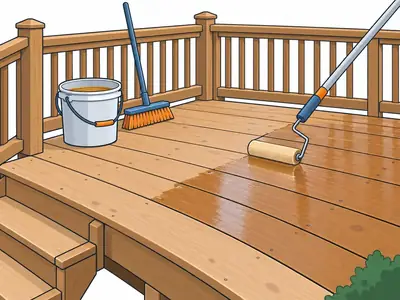 Garage and OutdoorsHow to Seal a Wood Deck: Clean, Prep and ApplyHow to seal a wood deck: clean it, let it dry, test the wood and apply a stain or sealer. Steps, tools, timing and tips for first-time homeowners.
 Garage and OutdoorsHow to Stain a Wood Fence So It LastsLearn how to stain a wood fence: clean and dry the boards, pick the right stain, apply it evenly and keep the fence protected for years.
 Garage and OutdoorsHow to Split FirewoodLearn how to split firewood: choose the right tools, read the grain, swing safely, and season your wood for winter.
 First HomeFirst Time Homeowner Checklist: 15 Things to Do Right AwayUse this first time homeowner checklist for your first week and month: locks, shutoffs, alarms, filters, records and a simple repair fund.
 Walls and PaintHow to Stain WoodHow to stain wood evenly: sand through the grits, raise the grain, test on a scrap, apply and wipe back, then seal with a topcoat.