
How to Stop Drafts From Electrical Outlets and Switches
Part of: Heating and cooling
- Difficulty
- Easy
- Time
- 15 to 30 minutes for a room
- Tools
- Screwdriver, foam outlet gaskets, child safety plugs, acrylic caulk or minimal expanding foam, utility knife, non contact voltage tester, flashlight
- Call a pro if
- The box is loose in the wall, the wiring is damaged or aluminum, or you find heat discoloration around an outlet. Those are electrical problems, not drafts.
In this guide
- Power off first
Outlets and switches on exterior walls are holes in the air barrier. The cheapest version of how to stop drafts from electrical outlets takes a gasket and ten minutes. Cold air comes in around the box, through the gaps in the drywall, and out through the slots in the cover plate. One outlet does not leak much. A house full of them adds up to a steady cold draft and higher heating bills.
The fix is cheap and quick, and it is one of the easiest air sealing jobs a homeowner can do. Here is how to stop drafts from electrical outlets and switches.
1. Find the leaky ones
On a cold, windy day, hold the back of your hand near each outlet and switch on an exterior wall. Or light a stick of incense and watch the smoke near the plate.
The worst offenders are usually:
- Outlets on exterior walls.
- Outlets in older homes with little or no insulation.
- Switch plates on walls that back onto a garage or an attic.
Mark the ones that leak with a small piece of tape.
2. Turn off the power
Go to the panel and switch off the breaker for the circuit.
Then test at the outlet with a non contact voltage tester, and plug in a lamp to confirm. If the outlet is still live, find the right breaker before you continue.
3. Remove the cover plate
Take out the center screw and pull the plate off gently. Do not yank, since old plastic plates crack and old wires can be brittle.
Look at what you find:
- Dust and a visible gap between the box and the drywall.
- A box that moves when you press it.
- Any discoloration or heat damage, which means stop.
4. Fit a foam gasket
Foam outlet gaskets cost very little and are sold in packs.
1. Place the gasket over the outlet, lining up the holes with the slots.
2. Press the cover plate back over it.
3. Replace the screw, snug but not overtight.
The gasket seals between the plate and the wall, which is where most of the draft passes.
5. Seal the gap around the box
If there is a visible gap between the box and the drywall, seal it from the room side.
1. Run a thin bead of acrylic caulk around the outside edge of the box, where it meets the wall.
2. Smooth it with a damp finger.
3. Do not push caulk inside the box.
For a larger gap, a small amount of minimal expanding foam around the outside of the box works, but use the low expansion type so it does not bow the wall or enter the box.
6. Add safety plugs on unused outlets
Child safety plugs are not only for children. They close the slots that let air through.
Put them in outlets that are not in use, especially on exterior walls. They are cheap and removable.
7. Seal the switch plates too
Switches leak the same way.
- Use a foam gasket made for switch plates.
- Seal the gap around the box with caulk.
- Check for gaps at the top of the wall behind the plate, which is common in older homes.
8. Look at the other side
If the outlet backs onto an unheated space, such as a garage or an attic, the draft may be coming from that side.
- Seal the box from the cold side too, if you can reach it.
- Add insulation behind the box if the wall is open.
- Never block the box's access from the finished side.
9. Check the result
Turn the power back on and test the outlet with a lamp.
Common mistakes
- Working on a live circuit.
- Stuffing foam or insulation inside the box.
- Ignoring heat damage and covering it with a gasket.
- Overtightening the cover screw and cracking an old plate.
- Sealing only the plate and not the gap around the box.
Related guides
- How to Stop a Cold Draft From a Fireplace
- How to Insulate a Basement Rim Joist to Stop Drafts
- How to Paint a Wall Around Outlets
- How to Install Rigid Foam Insulation on a Basement Wall
FAQ
Do outlet gaskets really help?
Yes, on exterior walls they cut a noticeable draft for very little cost. They are less effective if the gap around the box is not sealed too.
Is it safe to caulk around an outlet box?
Around the outside of the box, yes, with the power off. Never inside the box or over the terminals.
What if the outlet feels warm?
Stop and call an electrician. A warm cover or a loose plug can mean a bad connection, which is a fire risk.
Do I need to seal outlets on interior walls?
Less urgently, but it helps if the wall backs onto a garage, attic, or another unheated space.
More from this topic
- How to Stop a Cold Draft From a Fireplace: How to stop a cold draft from a fireplace: check the damper and ash door, seal an unused firebox safely, and...
- How to Babyproof Electrical Outlets and Cords: Babyproof electrical outlets and cords with tamper-resistant receptacles, sliding outlet covers, cord...
- Outlet Sparks When Plugging In: Outlet sparks when plugging in? A tiny flash can be normal, but loud pops, scorch marks or heat are not....
- Tamper-Resistant Outlets: Tamper-resistant outlets have built-in shutters that block objects. Learn how they work, where they are...
- How to Insulate a Basement Rim Joist to Stop Drafts: Learn how to insulate a basement rim joist: seal gaps, cut rigid foam to fit, fill the edges, and keep...
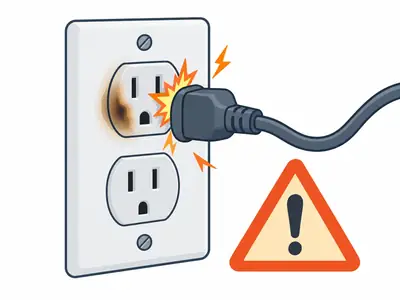 Electrical BasicsOutlet Sparks When Plugging InOutlet sparks when plugging in? A tiny flash can be normal, but loud pops, scorch marks or heat are not. Learn the causes and when to call an electrician.
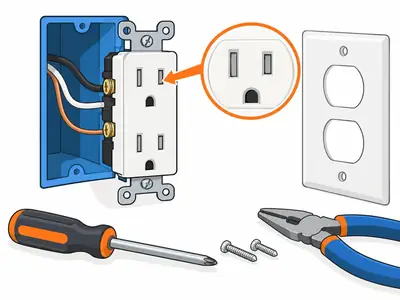 Electrical BasicsTamper-Resistant OutletsTamper-resistant outlets have built-in shutters that block objects. Learn how they work, where they are required and how to tell if your outlets have them.
 Heating and CoolingHow to Insulate a Basement Rim Joist to Stop DraftsLearn how to insulate a basement rim joist: seal gaps, cut rigid foam to fit, fill the edges, and keep moisture and fire safety in mind for cold floors.