
How to Babyproof Electrical Outlets and Cords
Part of: Electrical safety
- Difficulty
- Easy
- Time
- 1 to 2 hours for the whole home
- Tools
- Sliding outlet covers or tamper-resistant receptacles, cord shorteners, cord concealer channels, furniture straps, screwdriver if replacing receptacles, a flashlight
- Call a pro if
- You want tamper-resistant receptacles installed throughout and are not comfortable doing electrical work, or you find damaged outlets, scorch marks or warm cover plates.
In this guide
- Power off first
- Chemical safety
To a crawling baby, an outlet is a fascinating face at exactly eye level, and a cord is a handle made for pulling. Both are among the most common household hazards for children under five, and both are cheap and fast to fix. Here is how to babyproof electrical outlets and cords throughout the home, room by room.
This guide is part of our wider guide to electrical problems and safety.
Step 1: Walk the home at baby height
Get on your knees and tour every room. Count every accessible outlet and every reachable cord: lamps, chargers, blinds, monitors, appliances. The view from twelve inches up reveals hazards adults stop seeing, like the phone charger permanently plugged in by the sofa.
Prioritize the nursery and the rooms where the baby plays, then work outward to the whole home, because crawlers become walkers who explore.
Step 2: Cover every unused outlet
You have three options, from basic to best:
- Plug-in outlet caps are the classic cheap solution, but they have a flaw: they are small, removable choking hazards, and determined toddlers learn to pull them out. If you use them, buy the tight-fitting kind and check them weekly.
- Sliding outlet covers replace the outlet's faceplate with one that has a built-in shutter, which springs closed when a plug is removed. Nothing to lose, nothing to choke on, and adults never have to remember to replace a cap. They install with one screw.
- Tamper-resistant receptacles are the permanent solution: outlets with internal shutters that open only when both prongs of a plug press simultaneously. They have been required in new construction for years, and our guide on tamper-resistant outlets explains how they work. Swapping standard outlets for them is a modest electrical job, worth doing at least in the nursery and play areas.
Step 3: Box the outlets in use
Outlets with things plugged in need a different approach, since a plug half-pulled by a small hand exposes live prongs. Outlet cover boxes enclose the entire outlet and its plugs behind a latched cover, with slots for the cords to exit. Use them behind the TV stand, the changing table lamp, and anywhere a cord stays plugged in permanently.
Power strips need their own version: strip covers snap over the whole strip, and mounting the strip itself up off the floor adds a second layer. Our guide on power strip overload covers the electrical side of strip safety.
Step 4: Tame the cords
Cords pull, and what is attached to them falls. Shorten every cord you can with hook-and-loop wraps or a cord shortener that winds the excess into a tidy spool. Route cords behind furniture where possible, and run exposed lengths through adhesive cord concealer channels along the baseboard.
Never run cords under rugs where a child plays: the cord wears invisibly underfoot, and worn cords are fire hazards. Window blind cords are a strangulation hazard of their own; use cordless blinds in the nursery or fit cord cleats high on the frame and wind cords up out of reach every time.
Step 5: Anchor what cords connect to
A pulled lamp cord brings the lamp down. Anchor floor lamps behind furniture, secure televisions per our guide on anchoring furniture to the wall, and keep heavy electronics on low, stable surfaces. If a cord must cross a walkway, cover it with a floor cord protector so it is neither a pull target nor a trip hazard.
Step 6: Kitchen and bathroom specifics
In the kitchen, unplug and store countertop appliances rather than leaving cords dangling over counter edges, which are exactly at grabbing height. In the bathroom, keep all electrical devices unplugged and stored, since water and electricity multiply each other's risks, and confirm bathroom outlets are GFCI-protected; our guide on GFCI versus AFCI explains the protection types.
Common mistakes
- Relying on plug-in caps alone, which toddlers eventually defeat and can mouth.
- Covering the nursery outlets and forgetting the living room and grandparents' house.
- Leaving charger cables plugged in with the cord end dangling at floor level.
- Blocking power strips and adapters with furniture so heat cannot escape.
Related guides
- How to Childproof Kitchen Cabinets and Drawers
- Replace Outlet Cover Plate (and Switch Plates)
- How to Install a Dimmer Switch
FAQ
Are the cheap plastic outlet plugs safe enough?
They are better than nothing but are the weakest option. Sliding covers cost little more and remove both the choking hazard and the remembering. Tamper-resistant receptacles remove the issue entirely.
At what age should I do this?
Before crawling starts, typically around six months, and earlier is easier. The best time is while setting up the nursery.
Do I need an electrician to install tamper-resistant outlets?
If you are comfortable replacing a standard outlet with the breaker off and the outlet confirmed dead with a voltage tester, it is the same swap; our guide on replacing an outlet walks through it. Otherwise an electrician can swap the outlets for you.
More from this topic
- Tamper-Resistant Outlets: Tamper-resistant outlets have built-in shutters that block objects. Learn how they work, where they are...
- Extension Cord Safety for Homeowners: Extension cord safety for homeowners: choose the right gauge and length, avoid overload and know when to stop...
- How to Childproof a Rental Apartment: Learn how to childproof a rental apartment: crawl the rooms at floor level, anchor furniture, lock cabinets,...
- How to Hide Cords Safely: Learn how to hide cords safely with raceways, clips and covers, and which shortcuts behind walls and under...
- How to Stop Drafts From Electrical Outlets and Switches: How to stop drafts from electrical outlets: use foam gaskets, seal the box to the wall, add safety plugs, and...
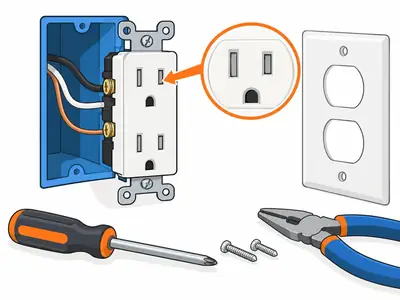 Electrical BasicsTamper-Resistant OutletsTamper-resistant outlets have built-in shutters that block objects. Learn how they work, where they are required and how to tell if your outlets have them.
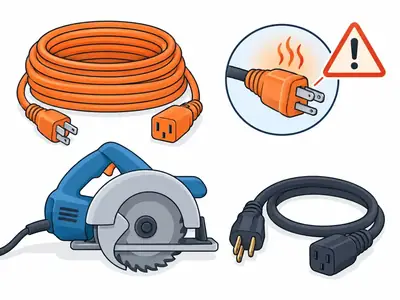 SafetyExtension Cord Safety for HomeownersExtension cord safety for homeowners: choose the right gauge and length, avoid overload and know when to stop using a cord. Simple rules to prevent fires.
 First HomeHow to Childproof a Rental ApartmentLearn how to childproof a rental apartment: crawl the rooms at floor level, anchor furniture, lock cabinets, guard outlets and secure windows without damage.
 Electrical BasicsHow to Hide Cords SafelyLearn how to hide cords safely with raceways, clips and covers, and which shortcuts behind walls and under rugs put your home at risk.Heating and CoolingHow to Stop Drafts From Electrical Outlets and SwitchesHow to stop drafts from electrical outlets: use foam gaskets, seal the box to the wall, add safety plugs, and do the whole job with the power off.