
How to Childproof Cabinets and Drawers in the Kitchen
Part of: Electrical safety
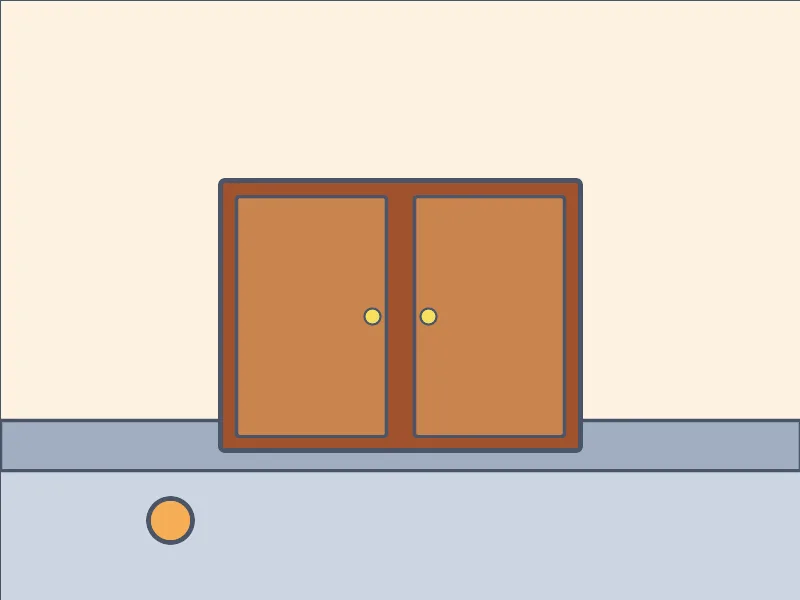
- Difficulty
- Easy
- Time
- 1 to 2 hours for a typical kitchen and bathroom
- Tools
- Cabinet and drawer latches of your chosen type, screwdriver, measuring tape, pencil, cleaning cloth
- Call a pro if
- You need to mount latches on glass-front or delicate custom cabinetry and are unsure about drilling, or furniture itself needs anchoring to the wall.
In this guide
- Chemical safety
Here is how to childproof cabinets and drawers with locks that fit your hardware and do not damage it. Once a baby starts crawling, every low cabinet and drawer becomes a target. The good news is that childproofing cabinets and drawers is cheap, fast and mostly tool-free. The trick is matching the latch to the door style and doing the dangerous cabinets first. Here is the full plan.
This guide is part of our wider guide to electrical problems and safety.
Step 1: Prioritize what to secure first
Walk your kitchen and bathroom at toddler height. Make three lists:
- Dangerous now: cabinets and drawers with cleaners, chemicals, medications, knives, or heavy objects that can fall. These get latched today, and their contents ideally move higher.
- Annoying but harmless: the pots-and-pans cabinet and the towel drawer. Many parents leave one safe cabinet unlatched as a decoy, which saves everyone's patience.
- Out of reach: anything above counter height. These need nothing.
Step 2: Pick the right latch for each door
Different cabinets take different hardware:
- Magnetic locks: a lock inside the cabinet opens only with a magnetic key. Completely invisible from outside and the most secure option. They mount with adhesive pads or screws. Best for the chemical cabinet and anywhere looks matter.
- Spring-loaded latches: a plastic hook inside the cabinet catches on the frame; you press it down to open. Inexpensive and reliable, but you must press the latch every time, and the door opens an inch before it catches.
- Adhesive strap locks: a flexible strap joins the door to the frame or two knobs together. No drilling at all, good for renters, and they work on corners and appliances too. They are visible and adults find them fiddly.
- Cord or sliding locks for knobs: a loop or sliding clamp joins two side-by-side knobs. Great for double doors under the sink.
For drawers, the same spring latches work, mounted so the drawer opens an inch and no more.
Step 3: Install the latches
Clean the mounting surface with rubbing alcohol and let it dry, since grease defeats adhesive pads. For adhesive-mounted locks, press firmly for the time on the package and let the adhesive cure overnight before testing.
For screw-mounted latches, hold the latch in place, mark the screw holes with a pencil, and drive short screws that cannot poke through the door face. Close the door slowly the first time and confirm the latch catches squarely. A latch mounted slightly off line will pop open under a toddler's pull.
Install the catch on the top inside of the door whenever possible, since latches near the bottom are within easy reach of small fingers once the door opens that first inch.
Step 4: Test like a toddler
Get low and pull every latched door and drawer the way a child would: straight out, then at angles, then repeatedly. A good latch holds under all three. Anything that opens more than an inch needs repositioning. Recheck adhesive mounts after a week and then monthly.
Do not forget the rest of the safety list
Cabinets are one piece of a bigger picture. Tip-over accidents injure more children than most parents expect, so anchor dressers, bookcases and televisions to the wall. Test your smoke and carbon monoxide alarms while you are in safety mode; our guide on testing smoke and CO detectors walks through it. Stove knob covers and an oven lock belong on the list if your toddler can reach the range.
Common mistakes
- Latching everything except the cabinet with the dishwasher pods, which are colorful and exactly at child height.
- Relying on adhesive pads on a greasy or textured surface.
- Leaving the magnetic key on the counter where a child can reach it. Stick it high on the fridge.
- Forgetting drawers. Drawers pull out, become steps, and tip cabinets' contents onto the floor.
Related guides
- How to Choose and Place a Fire Extinguisher at Home
- How to Install a Baby Gate at the Top and Bottom of Stairs
- How to Anchor Furniture to the Wall (Anti-Tip Safety)
- How to Install a Deadbolt on an Exterior Door
- How to Install a Door Viewer (Peephole) in an Exterior Door
FAQ
When should I childproof the cabinets?
Before your baby crawls, which can happen earlier than you expect. Doing it during the quieter months beats doing it after the first scare.
Do magnetic locks damage cabinets?
No more than a small screw hole inside the door or frame. Adhesive versions avoid holes entirely, though they hold slightly less firmly than screwed mounts.
My toddler figured out the spring latch. Now what?
Upgrade that cabinet to a magnetic lock. Toddlers learn latches by watching adults, and magnetic keys are the one system with nothing visible to copy.
More from this topic
- How to Childproof Stairs and Banisters: How to childproof stairs and banisters: hardware-mount a gate at the top, close gaps wider than 4 inches, and...
- How to Choose and Place a Fire Extinguisher at Home: Learn how to choose and place a fire extinguisher: pick the right class and size, put it near exits, mount it...
- How to Install a Baby Gate at the Top and Bottom of Stairs: Learn how to install a baby gate safely: choose pressure or hardware mounted, fit it at the right height,...
- How to Reduce Kitchen Fire Hazards: Reduce kitchen fire hazards with safe cooking habits, clean grease surfaces, working smoke alarms, and the...
- How to Use a Fire Extinguisher in Your Home: Learn how to use a fire extinguisher with the PASS steps: pull, aim, squeeze and sweep. Know when to fight a...
 SafetyHow to Childproof Stairs and BanistersHow to childproof stairs and banisters: hardware-mount a gate at the top, close gaps wider than 4 inches, and fix loose rails and balusters.
 SafetyHow to Choose and Place a Fire Extinguisher at HomeLearn how to choose and place a fire extinguisher: pick the right class and size, put it near exits, mount it at a safe height and check it stays ready.
 SafetyHow to Install a Baby Gate at the Top and Bottom of StairsLearn how to install a baby gate safely: choose pressure or hardware mounted, fit it at the right height, avoid the stair top trip hazard and test the latch.
 SafetyHow to Reduce Kitchen Fire HazardsReduce kitchen fire hazards with safe cooking habits, clean grease surfaces, working smoke alarms, and the right way to handle a grease fire.
 SafetyHow to Use a Fire Extinguisher in Your HomeLearn how to use a fire extinguisher with the PASS steps: pull, aim, squeeze and sweep. Know when to fight a small fire and when to get out and call 911.