
How to Strip Paint With a Heat Gun
Part of: Floors, walls and doors
- Difficulty
- Moderate
- Time
- 1 to 3 hours
- Tools
- Heat gun, putty knife, scraper, lead test kit, respirator, gloves, eye protection, fire extinguisher
- Call a pro if
- The paint may be lead based, since heating lead paint releases poison and needs a certified contractor.
In this guide
A heat gun softens old oil paint so it lifts in sheets instead of dust, which makes it the cleanest way to strip trim. It also scorches wood in one careless second. Here is how to strip paint with a heat gun without burning the board or the house.
1. Test for lead paint
1. Buy a lead test kit.
2. Test each layer you plan to heat.
3. A positive result stops the job.
4. Lead paint needs a certified contractor.
2. Set up the area
1. Work outdoors or ventilate hard.
2. Remove curtains and anything flammable.
3. Lay a fire resistant drop cloth.
4. Keep a fire extinguisher beside you.
3. Wear the right gear
1. A respirator, not a dust mask.
2. Gloves, because the paint gets hot.
3. Eye protection against flakes.
4. Try a test patch
1. Pick a hidden spot.
2. Heat it and watch how the paint behaves.
3. Old oil paint softens and bubbles.
4. Latex paint gums and smears.
5. Hold the gun at the right distance
1. Two to four inches from the surface.
2. Keep the nozzle moving.
3. Do not hold it in one spot.
6. Watch for the paint to soften
1. It bubbles or wrinkles first.
2. Then it lifts at the edge.
3. Move the gun along as it softens.
7. Lift with a putty knife
1. Slide the knife under the softened paint.
2. Push with the flat of the blade.
3. Do not gouge the wood.
8. Work in small sections
1. Heat an area you can lift in one pass.
2. Do not heat a whole board at once.
3. Paint cools and hardens again fast.
9. Deal with the last layer
1. The final film sticks in the grain.
2. Use a fine scraper, not more heat.
3. A chemical stripper handles the rest.
10. Sand the bare wood
1. Sand with the grain.
2. Start at medium grit and finish fine.
3. Wipe the dust off.
11. Dispose of the scrapings safely
1. Scrape onto newspaper.
2. Bag it and seal it.
3. Old paint scrapings are hazardous waste.
Common mistakes
- Heating lead paint.
- Holding the gun still until the wood chars.
- Using a plastic scraper near the nozzle.
- Stripping indoors with no ventilation.
- Leaving scrapings where children or pets reach them.
FAQ
Can a heat gun remove latex paint?
It gums latex rather than lifting it. A chemical stripper works better.
Is a heat gun safer than a chemical stripper?
Both have risks. Heat is cleaner indoors but a fire risk; stripper is caustic.
Can I strip paint with a heat gun indoors?
Only with strong ventilation and no lead paint.
What happens if I overheat the wood?
It chars and the scorch mark will not sand out.
Related guides
- How to Fix a Gap in Caulk or Baseboards: How to fix a gap in caulk or baseboards with paintable caulk, a caulk gun and a damp finger. Easy steps,...
- How to Remove Paint Splatter From Floors and Trim: Remove paint splatter from floors and trim by matching the method to the surface: scraping hardwood,...
- Plaster Repair: Cracks, Holes and Ceilings: Plaster repair for walls and ceilings: tell a crack from a failed key, cut back, bond, and build thin coats....
- How to Apply Caulk So It Does Not Crack: Learn how to apply caulk so it does not crack: clean and dry the joint, cut the tip right, tool the bead and...
- How to Fix Peeling Paint on a Bathroom Ceiling: How to fix peeling paint on a bathroom ceiling: scrape, prime with a stain-blocking primer and repaint....
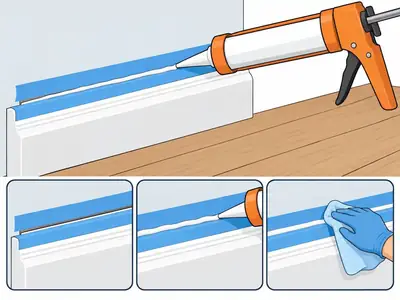 Walls and PaintHow to Fix a Gap in Caulk or BaseboardsHow to fix a gap in caulk or baseboards with paintable caulk, a caulk gun and a damp finger. Easy steps, tools and a clean finish. Know when to replace trim.
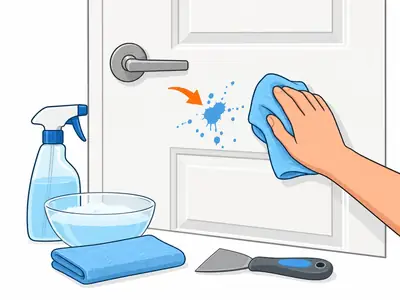 Walls and PaintHow to Remove Paint Splatter From Floors and TrimRemove paint splatter from floors and trim by matching the method to the surface: scraping hardwood, softening latex on laminate and safe solvents.
 Walls and PaintPlaster Repair: Cracks, Holes and CeilingsPlaster repair for walls and ceilings: tell a crack from a failed key, cut back, bond, and build thin coats. Know when to call a pro.
 Walls and PaintHow to Apply Caulk So It Does Not CrackLearn how to apply caulk so it does not crack: clean and dry the joint, cut the tip right, tool the bead and leave room for movement.
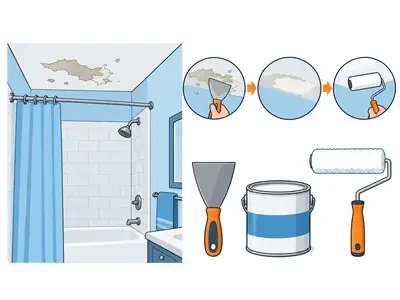 Walls and PaintHow to Fix Peeling Paint on a Bathroom CeilingHow to fix peeling paint on a bathroom ceiling: scrape, prime with a stain-blocking primer and repaint. Steps, tools and when moisture needs a pro.