
How to Vent a Portable Air Conditioner the Right Way
Part of: Heating and cooling
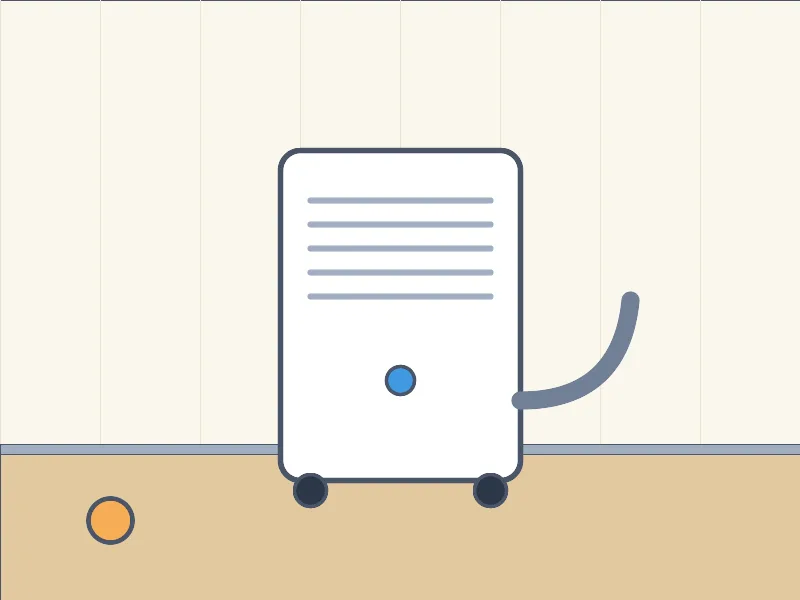
- Difficulty
- Easy
- Time
- About 30 minutes
- Tools
- The window kit that came with the unit, a measuring tape, scissors and weatherstripping or foam
- Call a pro if
- Nothing, since venting is a simple setup job; just call a pro if the unit itself cools poorly after a correct install.
In this guide
A portable air conditioner only cools as well as it vents. Hot exhaust leaking back into the room means the unit runs constantly and the room never gets comfortable. Here is how to vent a portable air conditioner so it actually cools.
1. Understand why venting matters
1. A portable AC pulls heat from the room and pushes it outside through the hose.
2. Any leak or restriction sends that heat right back indoors.
3. Good venting is the difference between cool comfort and a noisy heater.
4. Every setup choice below comes back to this one goal.
2. Position the unit near the window
1. Place the unit as close to the window as the hose comfortably reaches.
2. Keep it on a flat, level surface with clearance around the air intakes.
3. Avoid tight corners that block airflow into the unit.
4. Shorter hose runs vent heat better, so proximity matters.
3. Fit the window kit
1. Measure the window opening and adjust the slider kit to fit.
2. Lock the panel into the window track and lower the sash onto it.
3. Most kits fit sliding and double-hung windows with included hardware.
4. Add weatherstripping or foam to seal any gaps around the panel.
4. Route the hose short and straight
1. Connect the hose firmly to the unit and the window panel.
2. Keep the hose as short and straight as you can.
3. Avoid sharp bends, kinks and long sagging loops that trap heat.
4. Never extend the hose with extra sections; it kills efficiency.
5. Seal every leak
1. Check around the window panel for daylight and drafts.
2. Fill gaps with foam, weatherstripping or the kit's seals.
3. Tape is a last resort; a proper seal works better and looks cleaner.
4. Even small leaks let hot air back in and humid air sneak through.
6. Help it cool better
1. Close blinds and curtains on sunny windows to cut heat gain.
2. Insulate the hose with a cover if it runs warm to the touch.
3. Keep doors closed so the unit conditions one space, not the whole floor.
4. A unit sized for the room plus good venting cools fast and cycles off.
7. Maintain the setup
1. Clean or rinse the air filter every couple of weeks in heavy use.
2. Empty the condensate tank or check the drain hose regularly.
3. Inspect the window seal after storms or window use.
4. A tight seal and clean filter keep venting efficient all summer.
Common mistakes
- Running the hose long and kinked behind furniture, which traps heat and strains the unit.
- Leaving gaps around the window panel, so hot outdoor air leaks straight back in.
- Using an extension cord, which can overheat; plug the unit directly into the wall.
- Venting into an attic or crawlspace, which dumps heat and moisture into the house.
FAQ
Can I vent a portable AC through a wall or door?
Yes, with the right kit. Casement windows need a panel or fabric seal, sliding doors use a tall slider kit, and walls need a proper vent hole. Window kits are the easiest option.
Why is my portable AC not cooling the room?
Usually poor venting: a long or kinked hose, leaks around the window panel, or a unit too small for the space. Fix the venting first, then check the filter and sizing.
Can I vent two hoses into one window?
Dual-hose units come with a kit made for both hoses. Keep the intake and exhaust separated as designed so the unit does not pull its own hot exhaust back in.
Do I have to vent a portable air conditioner?
Yes. Every portable AC moves heat out through a hose, and without venting it just heats the room. The only exception is ventless evaporative coolers, which work differently.
Related guides
- How to Clean an Air Conditioner Filter for Better Cooling: Learn how to clean an air conditioner filter for window, wall, and portable units: remove, vacuum, wash, dry,...
- How to Clean Air Vents and Registers: Learn how to clean air vents and registers: vacuum the dust, wash the covers and check the nearby ducts so...
- Air Conditioner Not Cooling? Checks to Make: An air conditioner not cooling is often a dirty filter, a setting or a tripped breaker. Check these safe...
- How to Prepare Your Air Conditioner for Summer: Learn how to prepare your air conditioner for summer: change the filter, clean the outdoor unit, clear the...
- How to Vent a Bathroom Fan Through the Attic: How to vent a bathroom fan through the attic: run rigid duct to the outside, slope it right, insulate it, and...
 Heating and CoolingHow to Clean an Air Conditioner Filter for Better CoolingLearn how to clean an air conditioner filter for window, wall, and portable units: remove, vacuum, wash, dry, and reinstall to boost cooling and save energy.
 Heating and CoolingHow to Clean Air Vents and RegistersLearn how to clean air vents and registers: vacuum the dust, wash the covers and check the nearby ducts so air flows freely and rooms stay fresh.
 Heating and CoolingAir Conditioner Not Cooling? Checks to MakeAn air conditioner not cooling is often a dirty filter, a setting or a tripped breaker. Check these safe items, then know when to call an HVAC tech.
 Heating and CoolingHow to Prepare Your Air Conditioner for SummerLearn how to prepare your air conditioner for summer: change the filter, clean the outdoor unit, clear the drain line and test it before the heat.
 Heating and CoolingHow to Vent a Bathroom Fan Through the AtticHow to vent a bathroom fan through the attic: run rigid duct to the outside, slope it right, insulate it, and keep moist air out of the attic.