
Basic Tool Kit for Renters: The 12 Tools You Need
Part of: Tools and everyday fixes
- Difficulty
- Easy
- Time
- One hardware store trip
- Tools
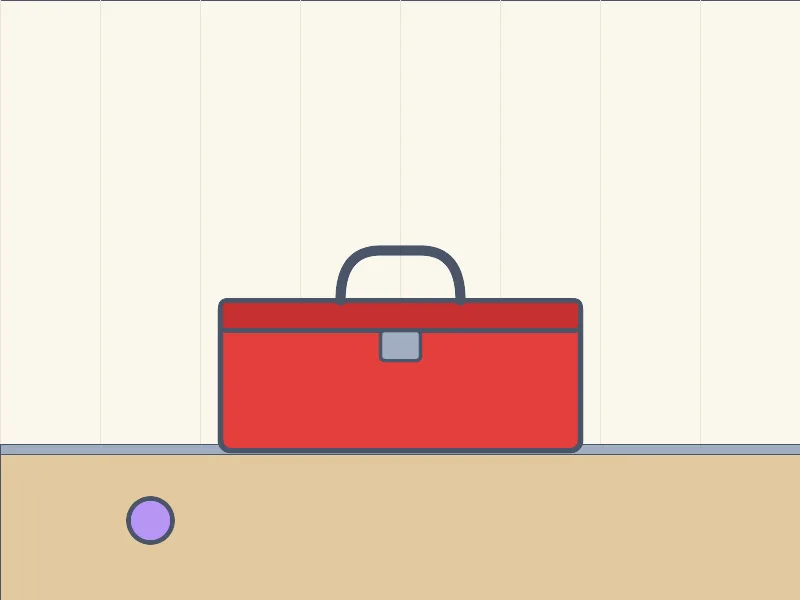
- A small toolbox or bag to hold it all
- Call a pro if
- The job involves plumbing supply lines, anything electrical beyond a light bulb, or the building structure, since renters should leave those to the landlord.
In this guide
- Power off first
- Wear protection
Every renter eventually faces the same four jobs: hang a picture, assemble furniture, tighten something loose, and fix something small before the landlord's maintenance queue gets to it. A basic tool kit for renters handles all four without a garage or a big budget. Here are the twelve tools that earn their space, and what to skip.
1. The core hand tools
These six do most of the work.
1. A 16-ounce claw hammer: hanging, tapping furniture together, pulling the odd nail.
2. A multi-bit screwdriver or a small set with Phillips and flat heads, since furniture and battery covers use both.
3. An adjustable wrench: supply-line nuts, bike bolts, wobbly chair hardware.
4. Slip-joint pliers for gripping, bending and holding small parts.
5. A 25-foot tape measure; measure before you buy furniture, every time.
6. A utility knife with spare blades for boxes, tape and package opening.
2. The renter-specific four
Chosen for deposit safety.
1. A stud finder, so the one hole you drill lands in solid wood.
2. A small level; crooked frames are a choice, not a fate.
3. Adhesive hooks and strips in assorted sizes, covered in renter friendly ways to hang things without damage.
4. A small tub of spackle and a putty knife, so how to fill picture holes before moving out is a ten-minute job.
3. The last two essentials
Boring until the moment they matter.
1. A flashlight or headlamp: under-sink inspections, breaker closets, blackout readiness.
2. A plunger, technically not a tool, but the single most needed item in any apartment and the one nobody buys in advance.
4. Nice to have, add later
Grow the kit as jobs appear.
1. A cordless drill with a small bit set: curtain rods, shelves and furniture assembly in a fraction of the time.
2. Hex key sets, since ready-to-assemble furniture rarely ships with spares.
3. A headlamp for hands-free work in dark cabinets.
4. A small first-aid kit stored with the tools, because that is where you will look.
5. What renters can safely fix themselves
The kit's job description.
1. Tightening loose handles, knobs and hinges.
2. Hanging art, mirrors and shelves within deposit rules.
3. Assembling and adjusting furniture.
4. Replacing light bulbs, batteries and aerators; anything bigger goes through how to request a repair from your landlord.
6. What to skip entirely
Save money and deposit risk.
1. Large power tools you will use once; borrow or rent those.
2. Specialty plumbing tools; supply-line work is the landlord's job in most leases.
3. Cheap 200-piece kits where every bit bends; twelve good tools beat two hundred bad ones.
4. Anything for a repair your lease assigns to the landlord.
7. Store it where you will use it
A kit in a closet you never open helps nobody.
1. A small toolbox or zip bag under the kitchen sink or in a hallway closet works.
2. Keep picture hardware, spackle and adhesive strips in one pouch.
3. Return every tool after use; the kit shrinks fast otherwise.
4. Take it with you when you move; it outlasts the apartment.
Common mistakes
- Buying a giant kit where half the pieces never leave the case.
- Drilling without a stud finder and patching the mistakes at move-out.
- Using a knife or a coin as a screwdriver and stripping the screw.
- Attempting electrical or plumbing repairs the lease reserves for the landlord.
- Leaving the plunger off the list.
Related guides
- First Apartment Essentials Checklist: What You Actually Need
- How to Get Renters Insurance
- Repairs Renters Should Not Do Themselves
FAQ
What tools should a renter have?
A hammer, screwdrivers, an adjustable wrench, pliers, a tape measure, a utility knife, a stud finder, a level, adhesive hanging hardware, spackle with a putty knife, a flashlight and a plunger. That dozen covers nearly every renter-scale job.
Can renters drill holes in apartment walls?
Most leases allow small picture holes that you patch at move-out; check yours. Adhesive hooks avoid the question for light items, and a stud finder keeps the holes you do drill useful.
Should renters buy a drill?
A basic cordless drill is the one power tool worth owning: curtain rods, shelves and furniture assembly go much faster. Everything larger is better borrowed or rented for the day.
What repairs should renters not do?
Plumbing supply lines, electrical work beyond bulbs, and anything structural belong to the landlord in most leases. Doing them anyway risks your deposit and your safety.
More from this topic
- Essential Tools Every Homeowner Needs (Starter Tool Kit): See the essential tools every homeowner needs for basic repairs, with a starter list by price, what each one...
- First Apartment Essentials Checklist: What You Actually Need: A first apartment essentials checklist that covers what you need on day one, what can wait a week, and what...
- The Complete Guide to First Home Essentials and Basic Tools: A complete guide to first home essentials: 20 step-by-step guides grouped by job, with difficulty and time...
- How to Read a Lease Before You Sign: Learn how to read a lease before you sign: check the term, rent, fees, repair duties, entry rules and renewal...
- How to Document Apartment Condition at Move In: Learn how to document apartment condition at move in: photograph every room, note existing damage and get the...
 First HomeEssential Tools Every Homeowner Needs (Starter Tool Kit)See the essential tools every homeowner needs for basic repairs, with a starter list by price, what each one does and what to skip.
 First HomeFirst Apartment Essentials Checklist: What You Actually NeedA first apartment essentials checklist that covers what you need on day one, what can wait a week, and what most people forget entirely.
 First HomeThe Complete Guide to First Home Essentials and Basic ToolsA complete guide to first home essentials: 20 step-by-step guides grouped by job, with difficulty and time for each, so you can pick the right fix first.
 First HomeHow to Read a Lease Before You SignLearn how to read a lease before you sign: check the term, rent, fees, repair duties, entry rules and renewal terms, and get answers in writing.
 First HomeHow to Document Apartment Condition at Move InLearn how to document apartment condition at move in: photograph every room, note existing damage and get the list signed by the landlord.