
How to Choose a Furnace Filter for Your Home
Part of: Heating and cooling
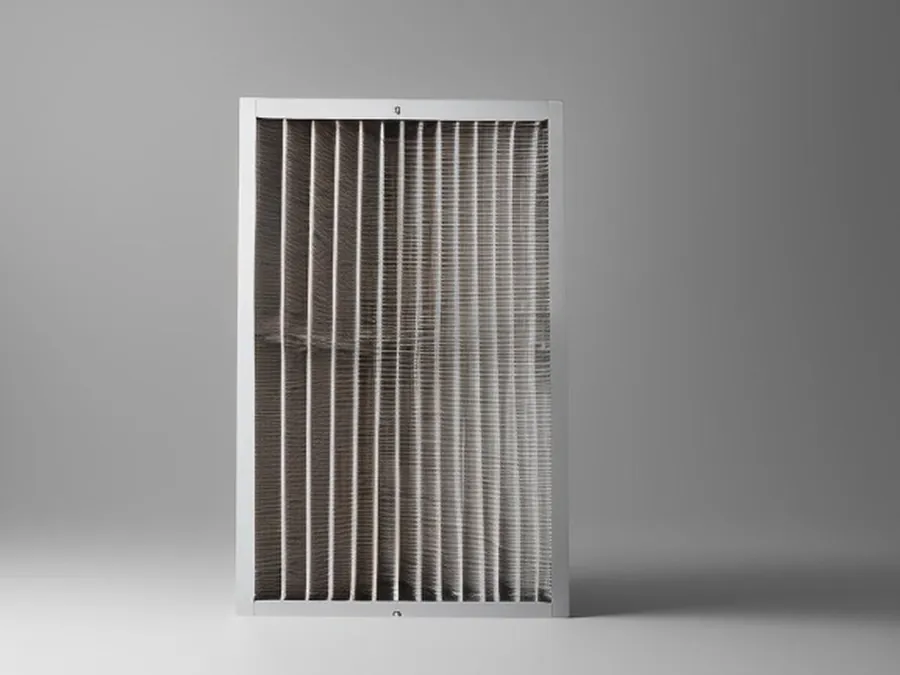
- Difficulty
- Easy
- Time
- 15 to 30 minutes
- Tools
- Tape measure, flashlight, the old filter, a marker
- Call a pro if
- The filter slot is an unusual size, the system struggles even with a basic filter, or you suspect duct problems, since those need a technician's measurement tools.
In this guide
- Wear protection
The right filter keeps dust out of your furnace and your lungs. The wrong one either lets dust through or chokes the airflow. Here is how to choose a furnace filter that fits your system and your home.
1. Find the filter slot
1. Most filters sit in the return air duct next to the furnace, or behind a return grille on a wall or ceiling.
2. Some slide into a slot on the blower cabinet itself.
3. Check your furnace manual if you cannot find it. There is always one, and it is always on the return side.
2. Get the size right
1. Look for the size stamped on the frame of the old filter. It reads like three numbers for length, width and thickness.
2. The numbers are length, width and thickness in inches.
3. Measure the slot with a tape measure to confirm. Filter sizes are nominal, so a 16 by 25 filter is really about 15 and a half by 24 and a half.
4. The filter should slide in snugly with no gaps around the edges. Air takes the easy path around a loose filter.
5. Write the size on the furnace cabinet with a marker so you never have to guess again.
3. Understand MERV ratings
- MERV rates how much a filter catches, from 1 to 16 for home filters.
- MERV 1 to 4: basic fiberglass. Catches dust bunnies, protects the equipment, does little for air quality.
- MERV 5 to 8: pleated filters. Catches dust, pollen and mold spores. Right for most homes.
- MERV 9 to 12: finer filtration. Good for pets and mild allergies.
- MERV 13 and up: near hospital grade. Only if your system is built for it.
- Higher is not automatically better. A filter that is too fine starves the blower of air.
4. Match the filter to your system
1. Check the furnace manual or the label on the blower cabinet for a maximum recommended MERV.
2. Most standard systems handle MERV 8 to 11 comfortably.
3. If your system is older, stay at MERV 8 and change the filter more often instead.
4. A struggling blower, frozen air conditioning coil or rising energy use can all mean the filter is too restrictive.
5. Match the filter to your household
- Pets: choose a pleated filter rated for pet dander and change it more often.
- Allergies: a MERV 11 to 13 filter helps, paired with regular dusting and vacuuming.
- Smokers or wildfire smoke: look for a filter with activated carbon for odors, plus fine filtration.
- No special concerns: a mid-range pleated filter is the best value.
6. Pick a replacement schedule
1. One inch filters usually need changing every one to three months.
2. Thicker four or five inch filters can last six to twelve months.
3. Homes with pets, smokers or lots of dust need the short end of the range.
4. Hold a filter up to the light. If you cannot see light through it, it is done.
5. Set a reminder. Our guide on changing a furnace filter walks through the swap.
7. Buy and store spares
- Buy filters in multi-packs so a fresh one is always on hand.
- Store them flat and dry, off a damp basement floor.
- Keep the old filter's cardboard frame size note with the spares.
- Do not run the system without a filter, even for a day. Dust builds on the blower and the coil fast.
8. Check your work
1. Slide the new filter in with the airflow arrow pointing toward the furnace, away from the return duct.
2. Close the slot or grille securely.
3. Turn the system back on and listen. It should sound normal, not strained or whistling.
4. A whistle usually means a gap or a filter that is too tight a weave for the system.
Common mistakes
- Forcing the wrong size into the slot or leaving gaps around a small filter.
- Installing the filter backward against the airflow arrow.
- Buying the highest MERV available and choking an older blower.
- Waiting a year to change a thin filter.
- Running the system with no filter while shopping for a new one.
Related guides
- How to Balance Your Home Heating System for Even Warmth
- How to Fix a Furnace That Blows Cold Air
- How to Fix a Thermostat That Won't Turn On: Batteries First
- How to Clean a Furnace Without Breaking It
FAQ
What MERV rating do I need for a home with pets?
A pleated MERV 8 to 11 filter handles pet hair and dander well, as long as you change it on the short end of the schedule.
Are washable filters worth it?
They save money over time but need monthly washing and must dry fully before going back in, or they grow mold. Most homes do better with pleated disposables.
How do I know my filter is too restrictive?
Weak airflow from vents, a blower that runs constantly, or a whistling return grille are common signs. Drop one MERV level and see if it improves.
Do expensive filters clean the air better?
Within the same MERV rating, performance is similar. Pay for the rating and a good seal in the slot, not the packaging.
More from this topic
- How to Change a Furnace Filter (and How Often to Do It): Learn how to change a furnace filter in five minutes: find the size, check the airflow arrow, swap it and...
- How to Reduce Dust in Your Home for Good: Learn how to reduce dust in your home: upgrade your filter, fix the leaks that pull dust in, and clean in the...
- How to Balance Airflow in Your Home: Learn how to balance airflow in your home: adjust vents and dampers, seal leaks, and even out temperatures...
- How to Clean a Portable Air Conditioner So It Cools Better: Learn how to clean a portable air conditioner: wash the filters, drain the tank, dust the coils, and keep the...
- How to Clean a Window Air Conditioner for Better Cooling: Learn how to clean a window air conditioner: wash the filter, clean the coils and fins, clear the drain and...
 Heating and CoolingHow to Change a Furnace Filter (and How Often to Do It)Learn how to change a furnace filter in five minutes: find the size, check the airflow arrow, swap it and decide how often to replace it.
 Heating and CoolingHow to Reduce Dust in Your Home for GoodLearn how to reduce dust in your home: upgrade your filter, fix the leaks that pull dust in, and clean in the order that actually works.
 Heating and CoolingHow to Balance Airflow in Your HomeLearn how to balance airflow in your home: adjust vents and dampers, seal leaks, and even out temperatures from room to room.
 Heating and CoolingHow to Clean a Portable Air Conditioner So It Cools BetterLearn how to clean a portable air conditioner: wash the filters, drain the tank, dust the coils, and keep the unit running efficiently.
 Heating and CoolingHow to Clean a Window Air Conditioner for Better CoolingLearn how to clean a window air conditioner: wash the filter, clean the coils and fins, clear the drain and get full cooling power back.