
How to Change a Furnace Filter (and How Often to Do It)
Part of: Heating and cooling
- Difficulty
- Easy
- Time
- 5 to 10 minutes
- Tools
- New filter in the right size, flashlight, marker
- Call a pro if
- The filter slot is damaged, or the furnace has a burning smell or short-cycles.
In this guide
The air filter in your heating and cooling system catches dust, pet hair and debris before they reach the blower and ductwork. A clogged filter makes the system work harder, can raise energy use and can lead to uneven heating or cooling. Learning how to change a furnace filter takes about five minutes and needs no tools.
This guide is part of our wider guide to heating, cooling and air quality.
How often to change it
Check the manufacturer's recommendation, but a common range is every one to three months. Filters thicker than one inch, such as 4 or 5 inch media filters, often last 6 to 12 months. Change it more often if you have pets, allergies, a dusty home, a lot of renovation or you run the system constantly in summer or winter. A simple habit is to look at the filter on the first day of every month.
Step 1: Turn off the system
Turn the thermostat to OFF, or turn off the power switch on or near the furnace. This stops the blower from pulling in debris while the filter is out.
Step 2: Find the filter
The filter is usually in a slot on the furnace near the blower, in a return air grille on a wall or ceiling, or in a cabinet next to the air handler. If you cannot find it, check the furnace manual or follow the large return duct.
Step 3: Check the size
Slide out the old filter. The size is printed on the edge of the frame, for example 16 by 25 by 1. The printed number is the nominal size, and the actual size may be slightly smaller, so buy the exact numbers on the frame. Take a photo of the label to keep with you at the store, or write it on the furnace with a marker.
Step 4: Note the airflow arrow
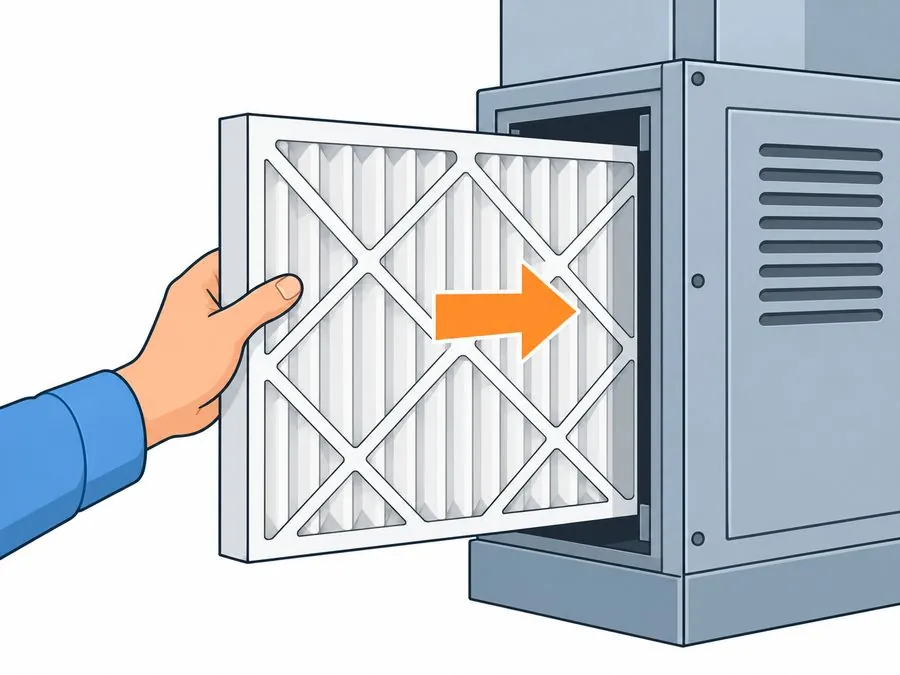
Every filter has an arrow on the frame that shows the direction of air flow. Look at the old filter to see which way it pointed. The arrow should point toward the furnace or air handler, or in the direction air moves through the duct.
Step 5: Choose a filter
Filters are rated by MERV, which stands for minimum efficiency reporting value. A MERV 8 filter is a common choice for homes. Higher MERV filters catch smaller particles but can restrict airflow in systems that were not built for them. If you are not sure, check the furnace manual or ask an HVAC technician before moving to a higher rating.
Step 6: Install the new filter
Slide the new filter in with the arrow pointing the correct way. Make sure it sits flat and fits snugly with no gaps around the edges. Close the cover or grille. Write the date on the frame with a marker.
Step 7: Turn the system back on
Turn the power on and set the thermostat. Listen for any unusual noise and check that air is flowing from the vents.
Common mistakes
- Putting the filter in backwards.
- Buying the wrong size and leaving a gap.
- Forgetting to change it on a schedule.
- Using a very high MERV filter in a system that cannot handle it.
- Running the system with no filter.
When to call a pro
If the filter is very dirty after a few weeks, if airflow is weak, or if you notice strange smells or noises, have an HVAC technician look at the system. Annual maintenance by a professional is also a good idea.
Related guides
- How to Set a Thermostat Schedule to Save Energy Without Losing Comfort
- How to Bleed a Radiator Safely and Get Heat Back
- How to Fix a Thermostat That Won't Turn On: Batteries First
- How to Replace a Refrigerator Water Filter
- How to Fix a Furnace That Blows Cold Air
- How to Prepare Your Air Conditioner for Summer
FAQ
How often should I change a furnace filter?
Many filters need a change every one to three months. Check the label and your usage.
Which way does the arrow point?
Toward the furnace blower, in the direction of airflow.
Does a higher rating mean better?
A very dense filter can restrict airflow. Use the rating your furnace maker recommends.
More from this topic
- How to Choose a Furnace Filter for Your Home: Learn how to choose a furnace filter: find the right size, understand MERV ratings, pick a filter for pets or...
- How to Clean a Furnace Without Breaking It: How to clean a furnace safely: filter, blower, condensate and vents, what to leave to a technician, and the...
- How to Fix a Thermostat That Won't Turn On: Batteries First: Learn how to fix a thermostat that won't turn on: replace the batteries, check the breaker and furnace...
- How to Prepare Your Furnace for Winter: Learn how to prepare your furnace for winter: change the filter, test it early, clear the vents and check the...
- Heating, Cooling and Air Quality: Checks Before Service: Air quality: an AC that will not cool, a radiator that stays cold, a thermostat that is dead, drafts, attic...
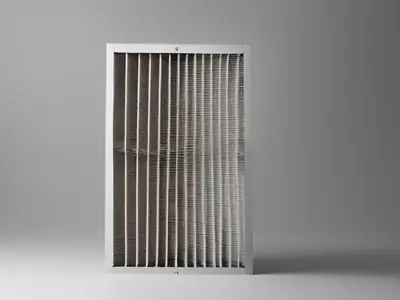 Heating and CoolingHow to Choose a Furnace Filter for Your HomeLearn how to choose a furnace filter: find the right size, understand MERV ratings, pick a filter for pets or allergies and know when to replace it.Heating and CoolingHow to Clean a Furnace Without Breaking ItHow to clean a furnace safely: filter, blower, condensate and vents, what to leave to a technician, and the checks that prevent a fire.
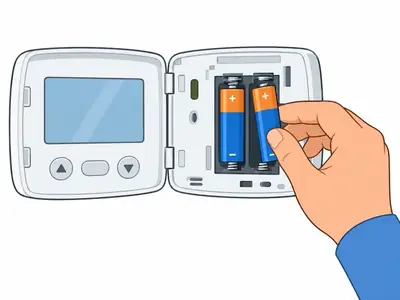 Heating and CoolingHow to Fix a Thermostat That Won't Turn On: Batteries FirstLearn how to fix a thermostat that won't turn on: replace the batteries, check the breaker and furnace switch, and know when to call an HVAC pro.Heating and CoolingHow to Prepare Your Furnace for WinterLearn how to prepare your furnace for winter: change the filter, test it early, clear the vents and check the flame before the first cold snap.Heating and CoolingHeating, Cooling and Air Quality: Checks Before ServiceAir quality: an AC that will not cool, a radiator that stays cold, a thermostat that is dead, drafts, attic insulation and humidity.