
How to Reduce Dust in Your Home for Good
Part of: Heating and cooling
- Difficulty
- Easy
- Time
- A weekend for the first pass, then a weekly routine
- Tools
- A vacuum with a HEPA filter, microfiber cloths, a new furnace filter and a damp mop
- Call a pro if
- Dust returns within days no matter how much you clean, since leaky ductwork or a failing filter seal may be pulling dust into the system.
In this guide
- Wear protection
- Chemical safety
Dust is skin cells, fabric fibers, pollen, soil and pet dander, and it never fully stops coming. The trick is cutting what enters, trapping what circulates and removing what settles, in that order. How to reduce dust in your home starts with the furnace filter, matching the size printed on the frame and stepping up to a MERV 8 pleated filter.
1. Upgrade your furnace filter
1. Check the filter size printed on the frame of your current filter.
2. Choose a pleated filter rated MERV 8 to 11 for a good balance of filtration and airflow.
3. Slide it in with the airflow arrow pointing toward the blower.
4. Check it monthly and swap it when gray, usually every one to three months.
2. Stop dust at the door
1. Put a coarse mat outside each entrance and a washable rug inside.
2. Make the home shoe-free; shoes track in most of the soil and pollen.
3. Keep a boot tray by the busiest door.
4. Shake out and wash the mats regularly, or they become dust sources themselves.
3. Seal the leaks that pull dust in
1. Dust enters through gaps around windows, doors and attic hatches.
2. Weatherstrip drafty doors and windows and caulk visible gaps.
3. Seal around pipes and wires where they pass through walls.
4. A tighter home means less dust arriving in the first place.
4. Clean in the right order
1. Always clean top to bottom: ceiling fans and shelves first, floors last.
2. Use a damp microfiber cloth, which traps dust instead of launching it.
3. Vacuum with a HEPA-filtered machine so fine dust stays in the bin.
4. Mop hard floors after vacuuming to catch what the vacuum misses.
5. Cut the dust sources
1. Wash bedding weekly in hot water; beds are dust factories.
2. Vacuum or wash curtains and clean blinds monthly.
3. Brush pets outside and wash their bedding often.
4. Declutter surfaces; every knickknack is a dust shelf.
6. Manage the air
1. Run the HVAC fan on circulate during dusty seasons so air keeps passing through the filter.
2. Use an air purifier with a HEPA filter in bedrooms if allergies are bad.
3. Keep indoor humidity between 40 and 50 percent; dry air keeps dust airborne longer.
4. Skip ionizers that make ozone; they irritate lungs more than they clean.
7. Keep a simple weekly routine
1. Dust surfaces with damp microfiber once a week.
2. Vacuum carpets and rugs twice a week in high-traffic areas.
3. Wash bedding weekly and mop hard floors weekly.
4. Small steady habits beat an occasional deep clean every time.
Common mistakes
- Feather dusting, which lifts dust into the air so it resettles an hour later.
- Vacuuming first and dusting second, which coats your clean floors in fresh dust.
- Running a clogged filter for months, which stops filtering and strains the blower.
- Ignoring bedding and curtains while cleaning shelves, so the biggest dust sources keep feeding the room.
Related guides
- How to Test Home Humidity With or Without a Hygrometer
- How to Clean a Ceiling Fan Without Spreading Dust Everywhere
FAQ
Why is my house so dusty all of a sudden?
Common causes are a clogged filter, a season change with the heat or AC running more, nearby construction, or leaky ductwork pulling attic dust in. Start with the filter, then check for drafts.
Do air purifiers really reduce dust?
A HEPA purifier traps airborne dust well in the room where it runs. It helps most in bedrooms, but it works with cleaning and a good furnace filter, not instead of them.
How often should I change my furnace filter to control dust?
Check monthly. A one-inch pleated filter usually lasts one to three months depending on pets, dust and how much the system runs.
Does carpet or hard flooring collect more dust?
Hard floors show dust more, but carpet holds far more of it. Whichever you have, regular vacuuming with a HEPA machine matters more than the surface itself.
More from this topic
- How to Choose a Furnace Filter for Your Home: Learn how to choose a furnace filter: find the right size, understand MERV ratings, pick a filter for pets or...
- How to Clean an Air Purifier and Its Filters: Learn how to clean an air purifier: unplug it, vacuum the pre-filter, wipe the vents and sensors and know...
- How to Get Rid of Dust Mites in Your Home: Learn how to get rid of dust mites: wash bedding hot, encase mattresses, control humidity, and clean the...
- How to Clean Air Vents and Registers: Learn how to clean air vents and registers: vacuum the dust, wash the covers and check the nearby ducts so...
- How to Fix a Furnace That Blows Cold Air: Learn how to fix a furnace that blows cold air: check the thermostat, filter and pilot, and know when the...
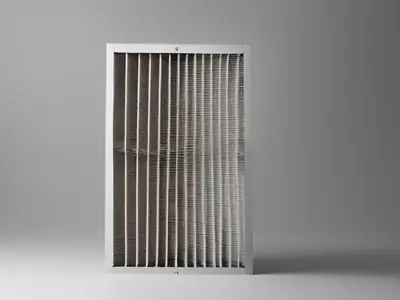 Heating and CoolingHow to Choose a Furnace Filter for Your HomeLearn how to choose a furnace filter: find the right size, understand MERV ratings, pick a filter for pets or allergies and know when to replace it.
 Electrical BasicsHow to Clean an Air Purifier and Its FiltersLearn how to clean an air purifier: unplug it, vacuum the pre-filter, wipe the vents and sensors and know when the main filter needs replacing, not washing.
 Tools and BasicsHow to Get Rid of Dust Mites in Your HomeLearn how to get rid of dust mites: wash bedding hot, encase mattresses, control humidity, and clean the fabrics where they live.
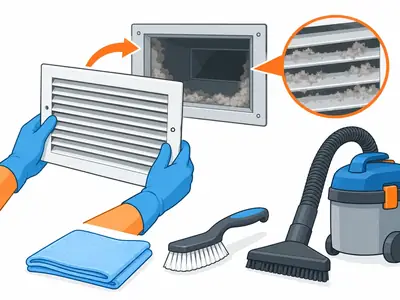 Heating and CoolingHow to Clean Air Vents and RegistersLearn how to clean air vents and registers: vacuum the dust, wash the covers and check the nearby ducts so air flows freely and rooms stay fresh.Heating and CoolingHow to Fix a Furnace That Blows Cold AirLearn how to fix a furnace that blows cold air: check the thermostat, filter and pilot, and know when the problem needs a technician.