
How to Test Home Humidity With or Without a Hygrometer
Part of: Heating and cooling

- Difficulty
- Easy
- Time
- Minutes to measure, a day to read the results
- Tools
- A digital hygrometer, or a glass of ice water for a rough check
- Call a pro if
- You find mold, water damage or condensation inside walls, which points to a moisture problem bigger than humidity.
In this guide
Too much humidity breeds mold and dust mites; too little cracks wood, dries skin and static-shocks everything. The healthy range is 30 to 50 percent, and finding out where your home sits takes minutes. Here is how to test home humidity accurately.
1. Use a digital hygrometer
1. Buy an inexpensive digital hygrometer; it reads humidity and temperature.
2. Place it in the room you want to test, away from vents, windows and direct sun.
3. Let it sit for a few hours to settle before reading.
4. A reading between 30 and 50 percent is the target zone.
2. Test room by room
1. Humidity varies a lot between rooms.
2. Check the basement, bathrooms, bedrooms and kitchen separately.
3. Basements and baths run high; heated winter bedrooms run low.
4. Move the hygrometer and give each room a few hours.
3. Watch it across the day
1. Humidity swings with cooking, showers and weather.
2. Take readings morning and evening for a realistic picture.
3. A single reading can mislead; a day of readings shows the pattern.
4. Many digital hygrometers record highs and lows for you.
4. Try the ice water test for a rough check
1. Fill a glass with ice and water and set it in the room.
2. Wait five minutes and look at the outside of the glass.
3. Heavy condensation means high humidity; a dry glass means low.
4. This is rough, but it confirms what you suspect before you buy a meter.
5. Read the signs your home gives you
1. Foggy windows and damp sills mean humidity is too high.
2. Musty smells, especially in the basement, point to excess moisture.
3. Static shocks, cracking wood and dry skin mean it is too low.
4. Your house tells you plenty if you know what to watch.
6. Fix high humidity
1. Run bathroom and kitchen exhaust fans during and after steam.
2. Use a dehumidifier in damp rooms and basements.
3. Fix leaks and improve drainage around the foundation.
4. Vent the dryer outside and keep gutters moving water away.
7. Fix low humidity
1. Run a humidifier in dry rooms, cleaned regularly to stay healthy.
2. Air-dry some laundry indoors to add gentle moisture.
3. Seal drafts that let dry winter air pour in.
4. Aim for the middle; over-humidifying winter air fogs windows, drips on sills and quietly feeds mold in cold corners.
Common mistakes
- Measuring right next to a vent, window or humidifier, which skews the reading badly.
- Trusting one reading at one time of day instead of watching the pattern.
- Ignoring the basement, where high humidity starts before it shows upstairs.
- Cranking a humidifier without a hygrometer, which swings the home from too dry to mold-friendly.
FAQ
What is a good indoor humidity level?
Between 30 and 50 percent is the healthy, comfortable range. Below 30 feels dry and static-prone; above 50 encourages mold, dust mites and musty smells.
Where should I place a hygrometer?
In the room you are testing, at about chest height, away from vents, windows, direct sun and humidifiers. Give it a few hours to settle before reading.
Why is my house so humid in summer?
Warm air holds more moisture, and daily life adds more through cooking and showers. Air conditioning and a dehumidifier pull it back down.
Is low humidity bad for a house?
Yes. Very dry air cracks wood floors, furniture and trim, and it aggravates dry skin, throats and sinuses. A humidifier in the driest rooms fixes most of it, as long as you keep the unit clean so it does not spread bacteria.
Related guides
- Digital Hygrometer Comparison: A digital hygrometer shows indoor humidity so you can fight mold and condensation. We compare the ThermoPro...
- How to Get Rid of a Musty Basement Smell by Fixing the Cause: A musty basement smell usually means moisture. Find the source, dry the air, clean affected surfaces and keep...
- How to Use a Humidifier Safely and Keep It Clean: Learn how to use a humidifier safely: set the right level, clean it before mold grows, and place it where it...
- How to Vent a Bathroom Fan Through the Attic: How to vent a bathroom fan through the attic: run rigid duct to the outside, slope it right, insulate it, and...
- How to Check a Basement for Moisture: Learn how to check a basement for moisture with a plastic sheet test, a meter and the smell and stain clues...
 Tools and BasicsDigital Hygrometer ComparisonA digital hygrometer shows indoor humidity so you can fight mold and condensation. We compare the ThermoPro TP50, AcuRite 00613 and AcuRite 01083M.
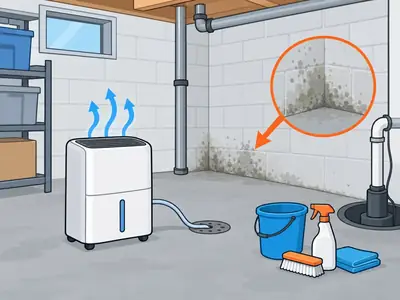 Heating and CoolingHow to Get Rid of a Musty Basement Smell by Fixing the CauseA musty basement smell usually means moisture. Find the source, dry the air, clean affected surfaces and keep humidity down so the smell does not return.
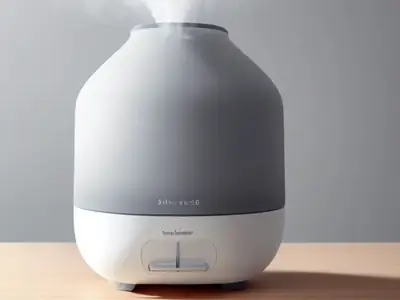 Heating and CoolingHow to Use a Humidifier Safely and Keep It CleanLearn how to use a humidifier safely: set the right level, clean it before mold grows, and place it where it helps instead of harms.
 Heating and CoolingHow to Vent a Bathroom Fan Through the AtticHow to vent a bathroom fan through the attic: run rigid duct to the outside, slope it right, insulate it, and keep moist air out of the attic.
 BasementHow to Check a Basement for MoistureLearn how to check a basement for moisture with a plastic sheet test, a meter and the smell and stain clues that show where water gets in.