
How to Use a Humidifier Safely and Keep It Clean
Part of: Heating and cooling
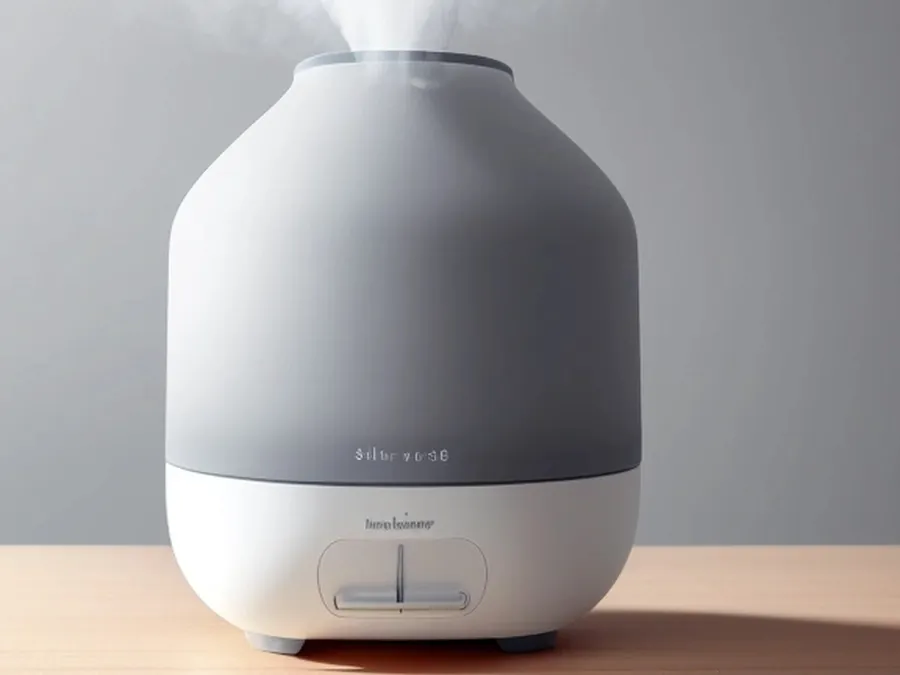
- Difficulty
- Easy
- Time
- Minutes a day, plus a weekly cleaning
- Tools
- A humidifier, distilled water, white vinegar for cleaning and a hygrometer
- Call a pro if
- Humidity stays high no matter what you do, which can mean a hidden leak or ventilation problem in the home.
In this guide
- Power off first
- Chemical safety
A humidifier makes dry winter air comfortable, but one run carelessly grows mold and fogs windows. The difference is the water you use, how often you clean and the level you set. Here is how to use a humidifier safely.
1. Aim for the right humidity
1. Target 30 to 50 percent relative humidity, checked with a hygrometer.
2. In cold weather, stay closer to 30 to 40 percent to avoid window condensation.
3. More humidity is not better; damp air feeds mold and dust mites.
4. Many units have a built-in humidistat; set it and let it cycle.
2. Use distilled water
1. Tap water carries minerals that leave white dust on surfaces.
2. Distilled or demineralized water keeps the mist clean.
3. Mineral buildup also clogs the unit and shortens its life.
4. If you use tap water, expect to clean the unit more often.
3. Empty and refill daily
1. Pour out leftover water every day rather than topping off.
2. Standing water breeds bacteria within a day or two.
3. Rinse the tank and refill with fresh water each time.
4. A minute of daily care prevents most humidifier problems.
4. Clean it weekly
1. Unplug and disassemble the unit per the manual.
2. Soak the tank and base with white vinegar to dissolve scale.
3. Scrub corners with a soft brush and rinse until the vinegar smell is gone.
4. Disinfect with a diluted bleach solution if the manual allows, rinsing thoroughly. Never mix bleach with vinegar or ammonia, since the fumes are toxic.
5. Replace filters and wicks
1. Evaporative humidifiers have wicks or filters that trap minerals.
2. Replace them on the schedule in the manual, usually every one to three months.
3. A crusty, discolored wick spreads odor instead of clean mist.
4. Keep a spare on hand so a dirty wick never runs long.
6. Place it correctly
1. Set the unit on a flat, water-resistant surface off the floor.
2. Keep it a few feet from walls, furniture and curtains so mist disperses.
3. Point the mist away from electronics and papers.
4. In bedrooms, place it across the room from the bed, not beside your head.
7. Watch for overdoing it
1. Foggy windows mean the humidity is too high; dial it back.
2. Damp spots on walls or sills are a warning sign.
3. Musty smells mean moisture is settling somewhere it should not.
4. The goal is comfortable air, not a rainforest.
Common mistakes
- Topping off the tank instead of emptying and refilling, which lets bacteria build up day after day.
- Skipping weekly cleaning until the tank smells, by which point mold is already established.
- Using tap water and wondering why white dust coats the furniture.
- Cranking the humidity until windows sweat, which trades dry air for mold.
FAQ
How often should I clean my humidifier?
Rinse and refill daily, and do a full vinegar cleaning weekly. A humidifier spreads whatever grows inside it, so regular cleaning is the whole game.
Is distilled water really necessary?
It is strongly recommended. Tap water leaves mineral dust on furniture and builds scale inside the unit. Distilled water keeps the mist and the machine clean.
What humidity level should I set?
Between 30 and 50 percent. Stay near the lower end in cold weather so windows do not fog, and adjust with a hygrometer rather than guessing, since the built-in dials are often inaccurate.
Can a humidifier make you sick?
A dirty one can, by spreading mold and bacteria into the air you breathe. Kept clean, filled fresh daily and run at a sensible level, a humidifier safely eases dry skin, scratchy throats and sinuses all winter.
Related guides
- How to Clean a Humidifier to Prevent Mold: Learn how to clean a humidifier: empty the tank, descale with vinegar, scrub the base, rinse well, and dry it...
- How to Clean Baseboard Heaters for Better Heat: Learn how to clean baseboard heaters: shut the power or heat off, vacuum the fins, wash the covers and get...
- How to Test Home Humidity With or Without a Hygrometer: Learn how to test home humidity: use a hygrometer, read the signs your house gives you, and keep levels in...
- How to Clean Evaporator Coils on Your Air Conditioner: Learn how to clean evaporator coils: access the indoor coil safely, brush and rinse away buildup, and keep...
- Digital Hygrometer Comparison: A digital hygrometer shows indoor humidity so you can fight mold and condensation. We compare the ThermoPro...
 KitchenHow to Clean a Humidifier to Prevent MoldLearn how to clean a humidifier: empty the tank, descale with vinegar, scrub the base, rinse well, and dry it so it does not spread mold or minerals.Heating and CoolingHow to Clean Baseboard Heaters for Better HeatLearn how to clean baseboard heaters: shut the power or heat off, vacuum the fins, wash the covers and get full heat output back without damage.
 Heating and CoolingHow to Test Home Humidity With or Without a HygrometerLearn how to test home humidity: use a hygrometer, read the signs your house gives you, and keep levels in the healthy 30 to 50 percent range.
 Heating and CoolingHow to Clean Evaporator Coils on Your Air ConditionerLearn how to clean evaporator coils: access the indoor coil safely, brush and rinse away buildup, and keep your AC cooling efficiently.
 Tools and BasicsDigital Hygrometer ComparisonA digital hygrometer shows indoor humidity so you can fight mold and condensation. We compare the ThermoPro TP50, AcuRite 00613 and AcuRite 01083M.