
How to Clean Baseboard Heaters for Better Heat
Part of: Heating and cooling
- Difficulty
- Easy
- Time
- 20 to 40 minutes per room
- Tools
- Vacuum with brush and crevice attachments, screwdriver, soft brush, bucket, mild dish soap, cloths
- Call a pro if
- A heater is damaged, a fin tube is bent badly or leaking, or an electric heater trips the breaker after cleaning, since those need repair, not cleaning.
In this guide
- Power off first
Dust on baseboard heater fins acts like a blanket. It cuts heat output, makes the system run longer and burns off as a dusty smell every fall. A yearly cleaning fixes all three. Here is how to clean baseboard heaters the right way.
1. Shut the system down
1. For electric heaters, switch off the breaker that feeds them.
2. For hot water baseboard, turn the thermostat down and wait until the pipes are cool.
3. Confirm electric units are dead by holding a hand near, not on, the element. No warmth means safe to work.
2. Remove the covers
1. Most front covers lift off or unhook at the top and swing out.
2. Some have small end caps that pop off first.
3. A few covers are held by screws; check the ends before pulling.
4. Set the covers aside where they will not get stepped on.
3. Vacuum the fins
1. Fit the brush attachment and vacuum along the fins, top to bottom.
2. Follow with the crevice tool between the fins where dust packs in.
3. Work along the whole length of each heater.
4. Vacuum the floor channel under the heater too. Dust collects there and gets pulled back in.
4. Straighten bent fins
1. Look for fins that are bent flat against each other.
2. Slide a fin comb or a butter knife between them and ease them upright.
3. Space them evenly. Bent fins block airflow and cut heat output.
4. Go gently. The thin metal bends easily and sharp edges cut.
5. Wash the covers
1. Fill a bucket with warm water and a few drops of dish soap.
2. Wipe the covers inside and out.
3. For greasy kitchen heaters, use a mild degreaser on the cloth, not sprayed into the heater.
4. Rinse with a clean damp cloth and dry fully before refitting.
6. Wipe the back wall and the floor
1. Dust sticks to the wall behind the heater and stains it over time.
2. Wipe the wall with a damp cloth while the cover is off.
3. Vacuum or mop the floor along the whole run.
4. Check the carpet edge. If it has melted or scorched against an electric unit, trim it back and keep it clear.
7. Refit and test
1. Clip or screw the covers back on.
2. Make sure nothing blocks the gap at the top or bottom of the cover. The heater breathes through those slots.
3. Turn the breaker or the heat back on.
4. Run the heat and confirm the room warms faster and smells clean after the first few minutes.
8. Keep them clear
- Keep furniture and curtains at least six inches from heaters.
- Do not dry clothes or towels on the covers.
- Vacuum the fins lightly every month during the heating season.
- Do a full clean each fall before the heat comes on. Our guide on cleaning air vents and registers covers forced air systems if your home has both.
Common mistakes
- Cleaning an electric heater with the power on.
- Bending fins with a hard tool and creasing them flat.
- Spraying cleaner straight into the heater instead of onto a cloth.
- Refitting covers while they are still wet.
- Blocking the top slot with a shelf or a window sill full of plants.
FAQ
How often should baseboard heaters be cleaned?
A full clean once a year, before the heating season, plus a quick vacuum of the fins every month or two while they run.
Why do my heaters smell when they first come on?
Dust on the fins and element burns off during the first runs of the season. A fall cleaning prevents most of the smell.
Can I paint baseboard heater covers?
Yes, with high heat paint and the covers removed, cleaned and fully dry. Never paint the fins or the element.
Why is one room still cold after cleaning?
For hot water systems, the loop may have trapped air. Our guide on bleeding a hot water radiator covers a similar fix. For electric, the unit may be undersized or failing.
Related guides
- How to Bleed a Radiator Safely and Get Heat Back: Learn how to bleed a radiator on a hot-water heating system: spot trapped air, release it with a key and...
- Electric Water Heater Element: How to Test and Replace It: No hot water? Learn how to test and replace an electric water heater element safely, with the power off, a...
- How to Insulate a Water Heater and Hot Water Pipes Safely: Learn how to insulate a water heater with a blanket and pipe wrap: check if you need it, keep clear of vents...
- Replace Water Heater Thermostat Safely (Electric): Electric heater too hot, too cold or no hot water? Replace water heater thermostat parts safely with the...
- How to Clean a Heat Pump for Better Efficiency: Learn how to clean a heat pump: clear debris, rinse the outdoor coil, clean the indoor filters, and keep the...
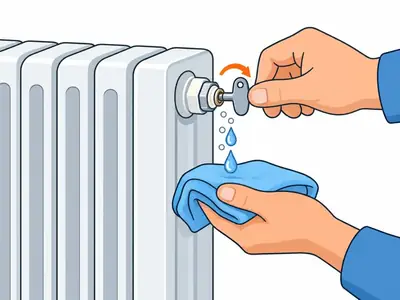 Heating and CoolingHow to Bleed a Radiator Safely and Get Heat BackLearn how to bleed a radiator on a hot-water heating system: spot trapped air, release it with a key and recheck the boiler pressure afterward.
 PlumbingElectric Water Heater Element: How to Test and Replace ItNo hot water? Learn how to test and replace an electric water heater element safely, with the power off, a multimeter and a drained tank.
 PlumbingHow to Insulate a Water Heater and Hot Water Pipes SafelyLearn how to insulate a water heater with a blanket and pipe wrap: check if you need it, keep clear of vents and controls, and cut standby heat loss safely.
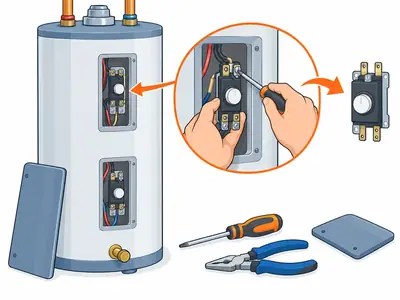 PlumbingReplace Water Heater Thermostat Safely (Electric)Electric heater too hot, too cold or no hot water? Replace water heater thermostat parts safely with the power off, and test before you buy.
 Heating and CoolingHow to Clean a Heat Pump for Better EfficiencyLearn how to clean a heat pump: clear debris, rinse the outdoor coil, clean the indoor filters, and keep the system running efficiently.