
How to Choose and Wear a Dust Mask
Part of: Tools and everyday fixes
- Difficulty
- Easy
- Time
- 15 minutes to learn
- Tools
- Dust mask or respirator, spare filters, safety glasses, mirror, clean water, cloth
- Call a pro if
- You are working with asbestos, lead paint, mold contamination or solvent vapors, since those need a rated respirator and often a professional.
In this guide
- Wear protection
- Chemical safety
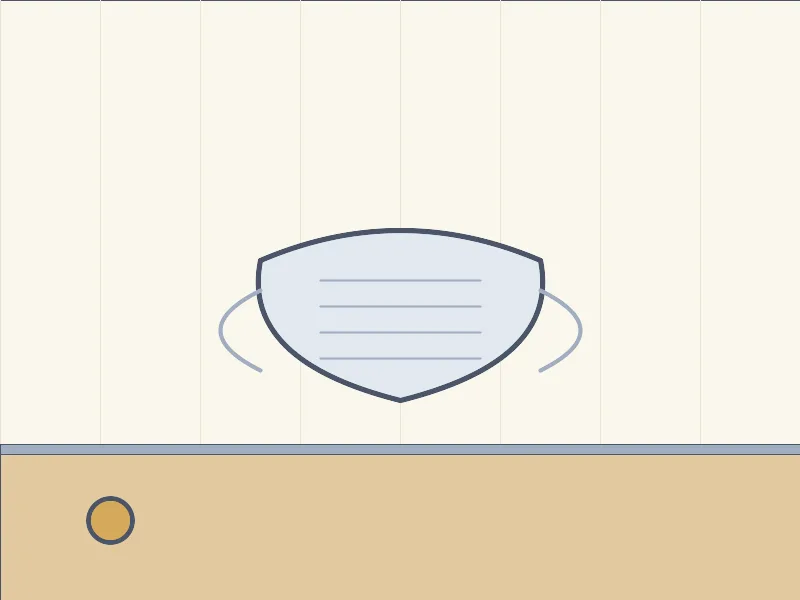
Sanding, cutting and demolition all throw fine dust that reaches deep into the lungs. The right mask, worn properly, makes the difference. Here is how to choose and wear a dust mask.
1. Know what dust you are making
1. Wood dust, drywall dust and concrete dust are the common ones.
2. Silica from concrete and stone is the most harmful.
3. Paint dust may contain lead in older homes.
4. Insulation and old board may contain asbestos.
2. Pick the right rating
1. Use an N95 or P100 particulate mask for wood and drywall dust.
2. Use a P100 for fine silica and metal dust.
3. Use a half mask respirator with cartridges for solvents.
4. Check the mask is rated for the job, not just comfortable.
5. A surgical or cloth mask does not seal and is not protection.
3. Choose the fit
1. Choose a mask with two straps, not one.
2. Fit a moldable nose clip over the bridge of the nose.
3. Check the mask covers nose and mouth with no gaps.
4. For a respirator, use the size that suits your face.
4. Do a seal check
1. Put the mask on and adjust the straps.
2. Cover the front with your hands and breathe in gently.
3. The mask should pull in slightly and hold, with no leak at the edges.
4. Breathe out and check for air escaping around the edges.
5. Adjust or try another size if air leaks.
5. Wear it correctly
1. Wash and dry your hands before fitting.
2. Fit the mask before you start, not after dust is in the air.
3. Keep it on until you finish and leave the area.
4. Do not pull it down to talk, which breaks the seal.
5. Wear safety glasses too, since dust gets in eyes.
6. Work to reduce dust
1. Connect a shop vac to the tool.
2. Work outdoors or ventilate the room.
3. Mist drywall dust lightly with water before sweeping.
4. Use a dust barrier on doorways.
5. Clean up with a wet cloth rather than a dry broom.
7. Replace it at the right time
1. Replace a disposable mask when it is damp, dirty or crushed.
2. Replace it if breathing becomes hard.
3. Replace respirator cartridges on schedule or when you smell the hazard.
4. Store masks in a clean bag, not on a bench.
5. Never wash a disposable mask.
8. Protect the rest of you
1. Wear safety glasses or goggles.
2. Wear gloves for rough material.
3. Change clothes and shower after heavy dust work.
4. Keep dust out of the rest of the house with a barrier.
9. Know the limits
1. A mask does not replace ventilation.
2. A mask is not protection against vapors unless rated for them.
3. A mask does not make asbestos or lead safe to disturb.
4. Stop and leave if you feel dizzy or breathless.
Common mistakes
- Wearing a single strap mask that leaks at the sides.
- Facial hair under the seal, which lets dust past.
- Pulling the mask down to talk.
- Using a dust mask for paint or solvent fumes.
- Reusing a crushed or damp mask.
FAQ
Is an N95 enough for drywall dust?
For light work, yes, if it seals. For large jobs use a P100 or a half mask respirator with a particulate filter.
How often should I replace a dust mask?
When it is damp, dirty, crushed or hard to breathe through. Disposable masks are not washable.
Can I wear a dust mask with a beard?
A tight seal is unlikely with facial hair under the edge. A powered air purifying respirator or a clean shave at the seal area is the reliable answer.
Does a dust mask protect against paint fumes?
No. Vapors need a cartridge respirator rated for the solvent, plus ventilation.
Related guides
- How to Build a Workbench: How to build a workbench that does not wobble: size it to your height, build a stiff frame, and add a top...
- How to Store Lumber: How to store lumber so it stays straight and dry: stack it flat on stickers, keep it off concrete, and let...
- How to Store Power Tools: How to store power tools so batteries and blades last: keep them dry, off the floor, labeled, and out of...
- How to Use a Circular Saw Safely: Learn how to use a circular saw safely: set the blade depth, support and clamp the work, cut on the waste...
- How to Use a Utility Knife Safely: Learn how to use a utility knife safely: extend the blade just enough, cut away from your body and retract it...
 Tools and BasicsHow to Build a WorkbenchHow to build a workbench that does not wobble: size it to your height, build a stiff frame, and add a top that takes a hammer blow.
 Tools and BasicsHow to Store LumberHow to store lumber so it stays straight and dry: stack it flat on stickers, keep it off concrete, and let the air move around it.
 Tools and BasicsHow to Store Power ToolsHow to store power tools so batteries and blades last: keep them dry, off the floor, labeled, and out of freezing temperatures.
 Tools and BasicsHow to Use a Circular Saw SafelyLearn how to use a circular saw safely: set the blade depth, support and clamp the work, cut on the waste side of the line and keep the guard free.
 Tools and BasicsHow to Use a Utility Knife SafelyLearn how to use a utility knife safely: extend the blade just enough, cut away from your body and retract it before you set it down.