
How to Fix a Loose Newel Post Without Rebuilding the Stair
Part of: Floors, walls and doors
- Difficulty
- Easy to moderate
- Time
- 1 to 3 hours
- Tools
- Screwdriver, drill, wrench or socket set, lag bolt or newel fastener kit, wood shims, construction adhesive, blocking lumber, stud finder, pry bar, hammer
- Call a pro if
- The newel post is cracked through, the stair stringer or floor framing under it is soft, or the whole railing moves as a unit. A railing that fails is a fall hazard.
In this guide
- Wear protection
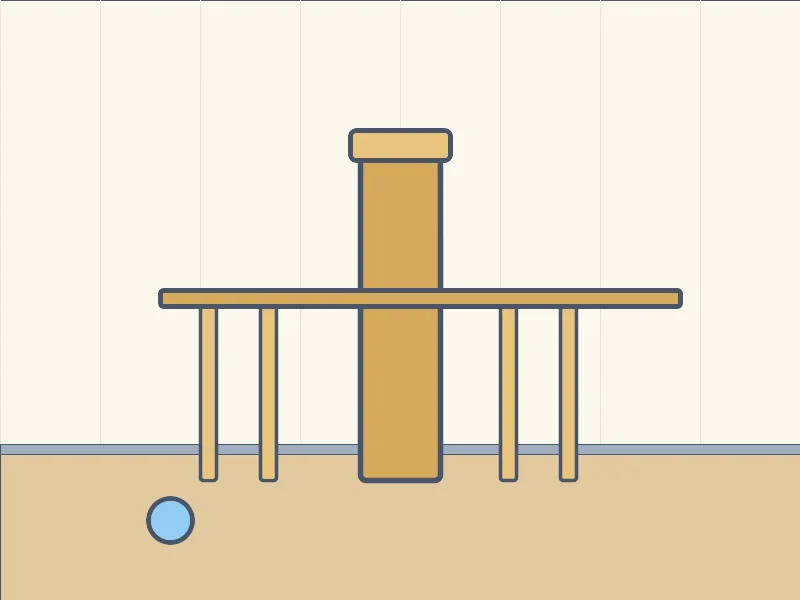
The newel post is the thick post at the bottom, top, or corner of a staircase. The method for how to fix a loose newel post depends on whether the post is bolted, lagged, or notched into the framing. It anchors the handrail and takes a surprising amount of force, because people grab it and lean on it every day. When it starts to wobble, it usually gets worse, and a loose railing is a real fall risk.
Most loose newels come down to one of three causes: a loose bolt, a post that was never properly blocked, or a hollow spot in the floor under it. Here is how to fix a loose newel post and make the railing solid again.
1. Find out how the post is attached
Look under the floor if you can. A newel post at the bottom of a stair is often held by a lag bolt that runs down through the stair framing, or by a bracket.
At the top of a stair, the post may be bolted to the side of the stringer, or to a floor joist through a hole in the subfloor.
Open the basement ceiling or the closet below if that is where the bolt head is. Knowing what holds the post tells you what to tighten.
2. Test where the movement is
Grip the post near the top and rock it gently.
- If the whole post moves and the base stays put, the fastener is loose.
- If the base moves with it, the floor or the blocking under it is the problem.
- If the post itself flexes or cracks, it needs replacing.
Also test the handrail. A rail that moves independently means its brackets are loose too.
3. Tighten the existing bolt
If you can reach the bolt head from below, try the simple fix first.
1. Have someone hold the post upright.
2. Tighten the bolt with a wrench or socket, a little at a time.
3. Check the post after each turn, and stop when it is firm.
4. Do not overtighten, since it can crush the wood or split the post.
If the bolt turns but never tightens, the threads are stripped in the wood, and you need a repair kit or a longer bolt with a proper anchor.
4. Use a newel tightening kit
Hardware stores sell kits made for exactly this problem. They usually include a bracket and a long bolt that pulls the post down tight to the floor from above, so you do not need access from below.
Follow the kit's instructions for the hole size and placement. The bracket goes inside the base of the post, and the bolt pulls it down against the floor framing.
5. Add blocking under the floor
If the post sits over a hollow spot between joists, tightening alone will not hold. The floor needs something solid underneath.
1. Cut a block of lumber to fit between the joists under the post.
2. Screw or nail the block in place through the subfloor from above, or through the joists from the side.
3. Re-tighten the bolt into the new blocking.
This is the step that fixes the posts that keep coming loose.
6. Shim and glue a loose base
If the base of the post rocks on an uneven floor, drive thin wood shims into the gap, then trim them flush.
For a post that is slightly loose but not badly damaged, construction adhesive under the base plus new fasteners will often hold it. Let the adhesive cure fully before you lean on the rail.
7. Repair a split or stripped hole
A bolt that has pulled out of the wood leaves an oversized hole. Two options:
- Drill the hole out and glue in a hardwood dowel, then drill a new pilot hole into the dowel.
- Use a two-part epoxy wood filler in the hole, let it cure, then drill a new pilot.
Both give the bolt fresh material to grip. A post that is split through the length cannot be repaired this way and should be replaced.
8. Check the handrail and the balusters
A solid post with a loose rail still is not safe.
- Tighten the handrail brackets.
- Check that each baluster is tight in its top and bottom holes.
- Make sure the rail height and the baluster spacing meet the rules for your area, since a rail that was added later often does not.
9. Test it properly
Lean on the post with your full weight, and push the rail sideways the way someone would when they slip. It should feel solid, with no movement at the base.
Then check the whole staircase, since a loose newel often comes with loose treads and a squeaky step. Our guide on fixing a squeaky stair tread covers that repair.
Common mistakes
- Replacing short screws with longer screws instead of using a proper bolt.
- Tightening a bolt into rotten or hollow wood and expecting it to hold.
- Ignoring a split post and trying to glue it.
- Fixing the post but leaving the handrail loose.
- Testing the rail gently instead of with real weight.
FAQ
Why does my newel post keep coming loose?
Usually the bolt is gripping hollow space or soft wood. Blocking between the joists and a proper bolt fixes it.
Can I fix a newel post without access from below?
Yes, with a tightening kit that pulls the post down from above. It is the usual fix when the ceiling below is finished.
How much movement is acceptable in a railing?
A solid railing should not move when you lean on it. Any visible wobble is worth fixing.
Should I replace the post instead?
If it is cracked, split, or rotted at the base, yes. A sound post with a loose fastener can almost always be saved.
Related guides
- How to Fix a Wobbly Handrail on Outdoor Steps: Learn how to fix a wobbly handrail on outdoor steps. Find the loose post or bracket, tighten the fasteners,...
- Loose Stair Handrail: How to Make It Solid Again: A loose stair handrail is a fall risk. Find the studs, replace weak screws with longer ones and learn when a...
- How to Fix a Loose Baluster: How to fix a loose baluster: find out why it worked free, tighten or reset the joint, and make the railing...
- Wobbly Deck Railing: How to Fix It Safely: Wobbly deck railing can fail under weight. Learn how to find loose posts, tighten bolts, add blocking and...
- How to Install a Stair Nosing on a Wood or Vinyl Stair: How to install a stair nosing: measure the tread, cut the nosing to fit around the stringer, glue and fasten...
 Garage and OutdoorsHow to Fix a Wobbly Handrail on Outdoor StepsLearn how to fix a wobbly handrail on outdoor steps. Find the loose post or bracket, tighten the fasteners, repair rotted wood and test the rail for strength.
 Doors and WindowsLoose Stair Handrail: How to Make It Solid AgainA loose stair handrail is a fall risk. Find the studs, replace weak screws with longer ones and learn when a railing needs a carpenter.
 SafetyHow to Fix a Loose BalusterHow to fix a loose baluster: find out why it worked free, tighten or reset the joint, and make the railing solid again without replacing the whole run.
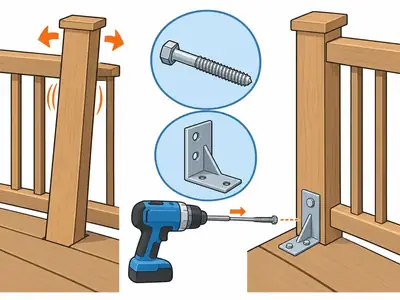 Garage and OutdoorsWobbly Deck Railing: How to Fix It SafelyWobbly deck railing can fail under weight. Learn how to find loose posts, tighten bolts, add blocking and when to call a pro. Steps and safety.
 Doors and WindowsHow to Install a Stair Nosing on a Wood or Vinyl StairHow to install a stair nosing: measure the tread, cut the nosing to fit around the stringer, glue and fasten it, and finish the edge so it is safe underfoot.