
How to Install a Pantry Shelf That Holds Real Weight
Part of: Kitchen
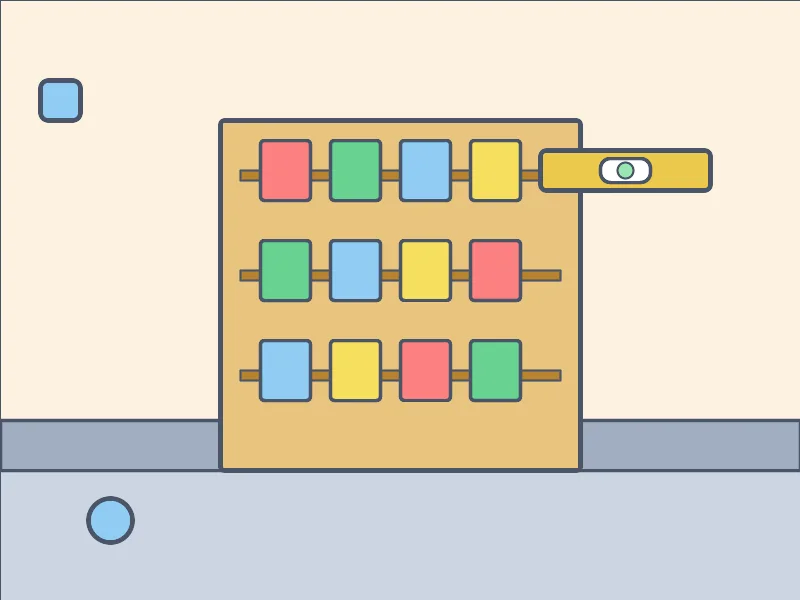
- Difficulty
- Easy to moderate
- Time
- 1 to 2 hours per shelf
- Tools
- Tape measure, pencil, stud finder, level, drill and bits, saw, shelf board, brackets or standards, screws, wall anchors, a helper, sandpaper and finish for a wood shelf
- Call a pro if
- There is no framing where the shelf must go, the wall is loose or damaged, or you need shelves that carry very heavy loads such as bulk liquids, since those need blocking or a different support system.
In this guide
- Ladder safety
How to install a pantry shelf starts with a point many people miss: a pantry shelf is a load problem before it is a carpentry problem: the board is rarely what fails, the fasteners and the span are.
1. Measure the space and the load
Measure the width, depth and height you have, then measure what actually goes on the shelf: your tallest box, your tallest jar, the deepest can. Heavy things belong on the lowest shelf.
2. Spacing that fits what you actually store
Set the gap from your own containers, not a standard. Stack the tallest box on the shelf below, stand the tallest jar beside it, and mark a height that clears both with room for a hand. Too low wastes the space above; too high means nothing tall fits underneath.
3. Choose the support system
- A wood cleat on three sides is the strongest and cheapest for a walk-in pantry: a cleat screwed into framing, with the shelf resting on it and screwed down from below.
- Standards and brackets spread the load across several studs and let you move shelves later, which is the right choice for a heavy shelf.
- L-brackets suit a single shelf whose ends land on framing. They are the weakest option if they do not.
- A freestanding unit needs no wall fixing and suits a rental, but costs floor space.
4. A long span without a middle bracket
A shelf of cans will sag visibly over a long span with no middle support, and once it sags it stays sagged. Plan a middle support on any span that feels long for the board, or buy a thicker board.
5. When the wall is not where the bracket needs to go
Finding framing is the first job (how to hang a shelf covers studs and what to do without them). Where the layout misses the framing, fix a cleat across several studs and hang the brackets from that. On plaster or block, the anchor has to match the wall.
6. Fit the supports and the shelf
Drill pilot holes, then fix the brackets or standards with screws long enough to reach the framing. Check each with a level, because one bracket set low makes the shelf rock. Cut the shelf to the width at the wall, not the front; sand and finish the board before it goes up. Set it on the supports, screw it down, scribe the back edge.
7. Heat, damp and moths in a pantry
A pantry is warm, dark and full of food, which is why moths and damp find it. Keep the shelf a little off the wall so air moves behind it, keep open dry goods off a warm exterior wall, and deal with moths early (pantry moths).
Quick tips
- Put the heaviest items on the lowest shelf and spread the weight along it.
- Watch a new shelf for a week; visible flex means it needs a middle support.
- Finish the board before it goes up, not after.
When to stop
Call a licensed professional if: there is no framing where the shelf must go, the wall is loose or damaged, or the shelf carries bulk liquids. Not sure? Stop, and get a quote.
Common mistakes
- Fixing brackets into drywall alone.
- A long span with no middle support.
- Measuring the width at the front of a bowed wall.
- Loading the shelf before checking it is level.
Related guides
FAQ
How much will a pantry shelf hold?
It depends on the span and the fasteners, not the board alone. Support it in the middle and fix into framing and it will carry a normal pantry load.
Can I use drywall anchors?
Only for very light loads. For food, fix into framing or add a cleat across the studs.
What is the best material for pantry shelves?
Three-quarter-inch plywood or solid pine boards hold weight without sagging. Melamine-coated particleboard is common and wipes clean; but it sags over spans wider than about 30 inches unless you add a center support or a front lip.
How far apart should pantry shelves be?
Allow about 12 inches for cereal boxes and cans; 15 to 18 inches for small appliances; and measure your tallest items before fixing the top shelves. Keeping the bottom shelf a few inches off the floor makes cleaning easier.
How do I anchor shelves into drywall?
Screw shelf standards or cleats directly into studs wherever possible. For spans between studs; use toggle bolts or heavy-duty anchors rated for the load; pantry shelves carry far more weight than picture hangers are made for.
More from this topic
- How to Convert a Closet Into a Pantry: How to convert a closet into a pantry: plan shelf spacing for real food, add sturdy adjustable shelves, light...
- How to Organize a Pantry: How to organize a pantry in a weekend: empty it, sort food into zones, reset shelf heights, use clear...
- How to Install a Shower Shelf: How to install a shower shelf that holds: pick a tension pole, adhesive or drilled corner shelf, mount it...
- How to Install Garage Wall Shelves That Actually Hold Weight: How to install garage wall shelves by starting with what you store: match depth, spacing and fasteners to the...
- How to Install a Pull-Out Shelf in a Cabinet: How to install a pull-out shelf in a cabinet: measure the opening, choose side-mount slides, build the shelf,...
 KitchenHow to Convert a Closet Into a PantryHow to convert a closet into a pantry: plan shelf spacing for real food, add sturdy adjustable shelves, light it, and keep it cool and dry.
 KitchenHow to Organize a PantryHow to organize a pantry in a weekend: empty it, sort food into zones, reset shelf heights, use clear containers and set a simple restock rule.
 BathroomHow to Install a Shower ShelfHow to install a shower shelf that holds: pick a tension pole, adhesive or drilled corner shelf, mount it level, seal holes, respect the weight limit.
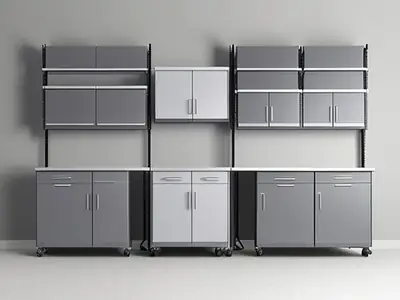 Garage and OutdoorsHow to Install Garage Wall Shelves That Actually Hold WeightHow to install garage wall shelves by starting with what you store: match depth, spacing and fasteners to the weight, then mount on studs or masonry anchors.
 KitchenHow to Install a Pull-Out Shelf in a CabinetHow to install a pull-out shelf in a cabinet: measure the opening, choose side-mount slides, build the shelf, and fit it so it slides without rubbing.