
How to Install a Pull-Out Shelf in a Cabinet
Part of: Kitchen
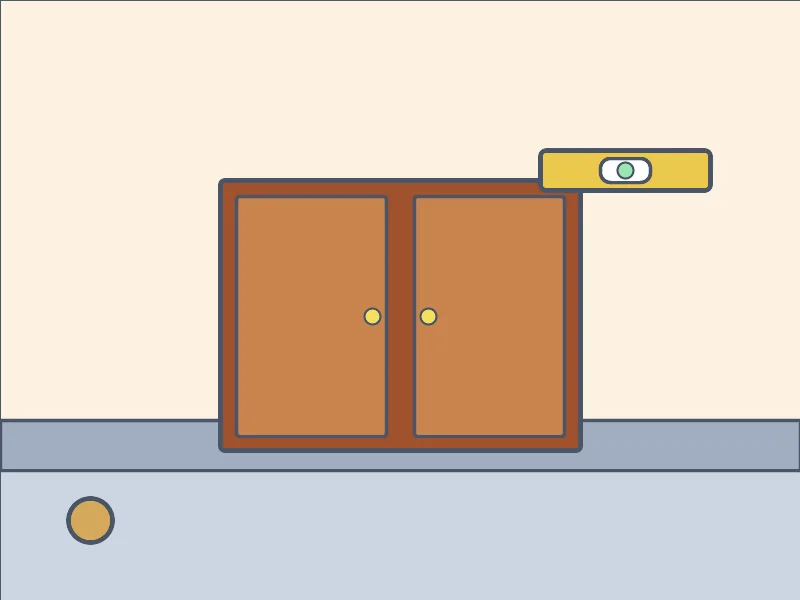
- Difficulty
- Easy to moderate
- Time
- 1 to 2 hours per shelf
- Tools
- Tape measure, pencil, drill, screwdriver, 1/2 inch plywood, side-mount drawer slides, jigsaw or saw, sandpaper, straightedge, clamps, small level
- Call a pro if
- The cabinet sides are thin or crumbling, the opening is out of square by more than a little, or you want a full extension shelf in a cabinet that cannot take screws.
In this guide
- Wear protection
A pull-out shelf turns a dark, deep base cabinet into usable storage. The measuring is what makes how to install a pull-out shelf in a cabinet work, because the opening has to clear the drawer. Instead of kneeling and reaching into the back, you pull the whole shelf out and see everything on it. It is one of the best small upgrades in a kitchen, and it does not require a full cabinet rebuild.
The fit is what matters. A shelf that rubs, sags, or comes off its slides is worse than no shelf. Here is how to install a pull-out shelf in a cabinet.
1. Measure the opening
1. Measure the inside width at the front and the back, since cabinets are rarely square.
2. Measure the inside depth.
3. Measure the clear height of the opening.
4. Note any obstructions, such as a door hinge, a pipe, or the cabinet frame.
Use the smallest width for the shelf, and plan a small clearance on each side.
2. Choose the slides
Side-mount slides are the usual choice for a retrofit.
- Look for a weight rating that suits what you store, and add a margin.
- Standard slides extend about three quarters of the way, full extension slides come all the way out.
- Choose a length that fits the cabinet depth, leaving a little space at the back.
- Check that the slides come with the screws and the mounting brackets.
For a heavy load, use a slide rated well above the weight you expect.
3. Work out the shelf size
The shelf width is the cabinet's inside width minus the thickness of the two slides and a small clearance.
- A typical pair of side-mount slides takes about an inch total, so subtract that plus a little.
- The shelf depth should match the slide length, not the full cabinet depth.
- The shelf thickness should suit the slides, usually half inch plywood or thicker.
Draw the numbers on paper before cutting. A shelf that is a quarter inch too wide will not slide.
4. Cut and finish the shelf
1. Cut the plywood to size with a saw or a jigsaw and a straightedge.
2. Sand the edges, especially the front, so nothing catches.
3. Round the front corners slightly, which helps it clear the cabinet frame.
4. Seal or paint the shelf if it will hold food items or cleaning products.
A coat of paint or polyurethane makes it easier to wipe clean.
5. Mark the slide height
1. Decide the height: usually near the bottom of the opening for a low shelf, or centered for a middle shelf.
2. Mark the same height on both cabinet sides with a level line.
3. Check that the marks are level, since a tilted shelf will rub.
If the cabinet floor is not level, measure from the shelf's intended position, not from the floor.
6. Fit the cabinet member of the slide
1. Separate the slide into its cabinet half and its shelf half, following the release tab.
2. Hold the cabinet half against the side, on the line.
3. Drill pilot holes, then screw it in place.
4. Repeat on the other side, checking that both are at the same height and square to the front.
Use a small level or a square against the cabinet face to keep the slides parallel.
7. Fit the shelf member of the slide
1. Attach the shelf half of each slide to the underside of the shelf.
2. Set the shelf's front edge back slightly from the cabinet face.
3. Check that both slides line up with the cabinet halves.
It is easier to attach the shelf halves before the shelf goes in, with the shelf upside down on a flat surface.
8. Slide the shelf in and test
1. Line up the shelf halves with the cabinet halves.
2. Push the shelf in until the slides engage.
3. Pull it out slowly and check for rubbing.
4. Adjust the slide position if it binds.
Most slides have slotted holes for small adjustments, which is why you should not tighten every screw fully at first.
9. Add a stop and load it
- Fit the end stop or the bumper so the shelf does not pull out too far.
- Load the heaviest items toward the back.
- Check the shelf after loading, and tighten any screws that moved.
If the shelf sags, the slides are undersized or the screws are not into solid material.
Common mistakes
- Cutting the shelf to the full cabinet width, so it will not fit between the slides.
- Using slides rated below the load.
- Screwing into thin cabinet sides without checking for solid material.
- Mounting the two slides at different heights.
- Forgetting the end stop, so the shelf pulls out and drops.
Related guides
- How to Line a Kitchen Shelf
- How to Fix a Sagging Cabinet Shelf
- How to Fix a Cabinet Shelf Bracket That Came Loose or Broke
- How to Fix a Squeaky Cabinet Door
- How to Fix a Cabinet Drawer Front That Is Loose or Crooked
- How to Install a Cabinet Toe Kick That Fits the Floor
FAQ
What is the best slide for a pull-out shelf?
A side-mount ball bearing slide rated above the load you plan to store. Full extension slides are worth it for a deep cabinet.
How much weight can a pull-out shelf hold?
It depends on the slides, from about 50 pounds for light slides to over 100 for heavy duty ones. Check the rating and leave a margin.
Can I install a pull-out shelf in a cabinet with a face frame?
Yes. Measure the clear opening inside the frame, and fit the slides to the cabinet sides, not the frame.
Do I need to remove the cabinet door?
It helps while you work, especially in a narrow cabinet, but it is not required.
More from this topic
- How to Organize Kitchen Cabinets Around How You Cook: Learn how to organize kitchen cabinets by zones: empty and clean them, group by task, set shelf heights, use...
- How to Organize Under the Kitchen Sink (Around the Pipes): Organize under the kitchen sink with a waterproof liner, stackable bins that fit around the pipes, a tension...
- How to Install a Kitchen Roll Holder That Works: Learn how to install a kitchen roll holder: choose the spot, fix it under a cabinet, to a tiled wall or a...
- How to Install a Pantry Shelf That Holds Real Weight: Learn how to install a pantry shelf: measure the space and load, choose brackets or standards, fix into...
- How to Install Cabinet Knobs and Pulls (Straight and Even): Install cabinet knobs and pulls straight and even with a template or homemade jig, correct hole placement,...
 KitchenHow to Organize Kitchen Cabinets Around How You CookLearn how to organize kitchen cabinets by zones: empty and clean them, group by task, set shelf heights, use drawers well and keep the system working.
 KitchenHow to Organize Under the Kitchen Sink (Around the Pipes)Organize under the kitchen sink with a waterproof liner, stackable bins that fit around the pipes, a tension rod for spray bottles, and a leak check first.
 KitchenHow to Install a Kitchen Roll Holder That WorksLearn how to install a kitchen roll holder: choose the spot, fix it under a cabinet, to a tiled wall or a cupboard side, and mount it so it does not pull off.
 KitchenHow to Install a Pantry Shelf That Holds Real WeightLearn how to install a pantry shelf: measure the space and load, choose brackets or standards, fix into studs, support long spans and finish neatly.
 KitchenHow to Install Cabinet Knobs and Pulls (Straight and Even)Install cabinet knobs and pulls straight and even with a template or homemade jig, correct hole placement, and the right screw length for your doors.