
How to Install a Shower Curtain Rod That Stays Up
Part of: Basic plumbing
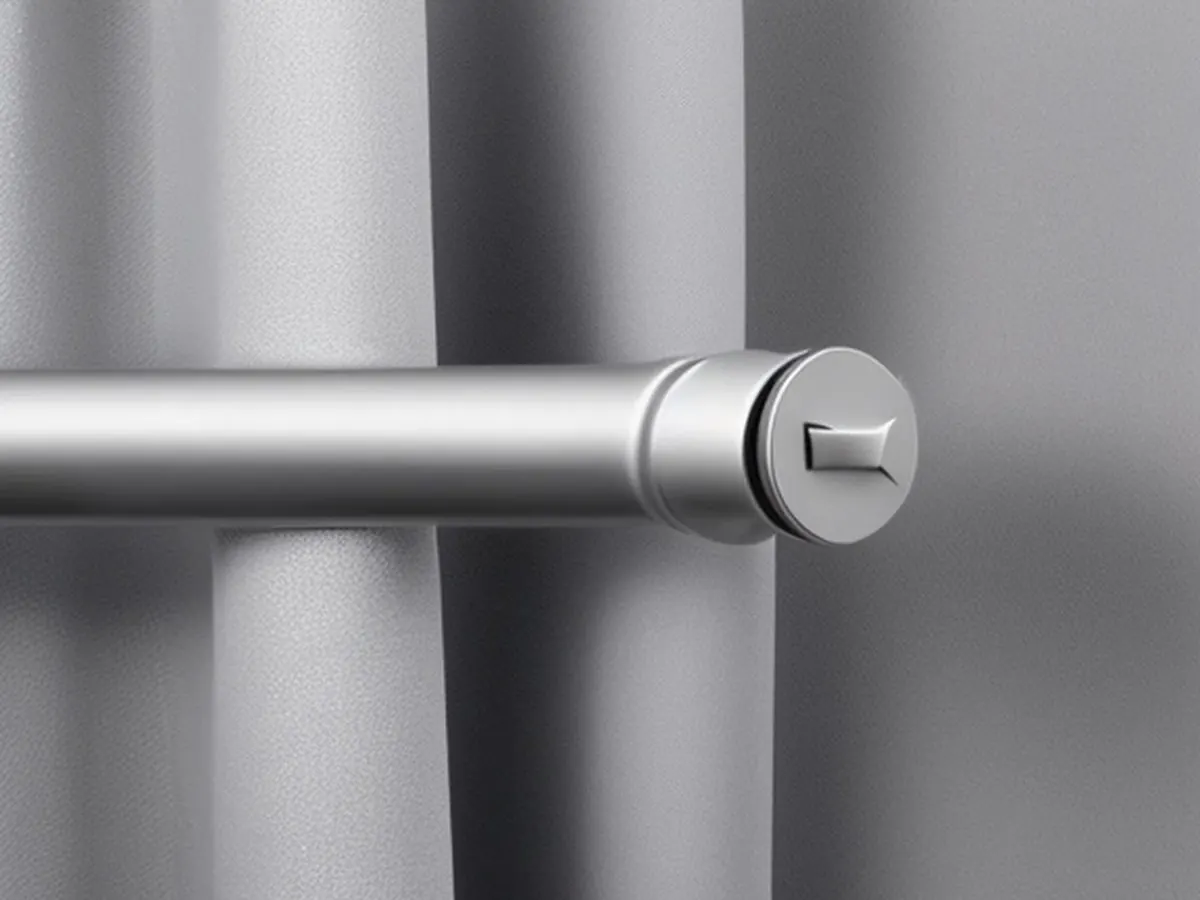
- Difficulty
- Easy
- Time
- 15 to 45 minutes
- Tools
- Tape measure, pencil, level, screwdriver, drill and bits, a step stool, a helper, the rod and its hardware, silicone if drilling tile
- Call a pro if
- The walls are glass, the opening is wider than a standard rod, or the wall surfaces are too weak to hold a fixed rod, since a rod that falls can bring the curtain and rail down on someone.
In this guide
A shower curtain rod looks like the simplest fixture in the house, and it is also one of the ones that falls down most often, usually in the middle of the night. The cause is almost always the wrong type of rod for the opening, or a tension rod that was not tightened properly. Here is how to install a shower curtain rod that stays up.
This guide is part of our wider guide to bathroom fixtures, tile and grout.
1. Measure the opening
Measure the distance between the two walls at the height the rod will sit, not at the floor, since walls are rarely parallel.
Measure in three places: at the ends and in the middle. Take the widest measurement and choose a rod that covers it with adjustment to spare.
2. Choose tension or fixed
Tension rod: wedges between two walls with a spring and rubber ends. No drilling, ideal for a rental, and fine for a normal curtain. It needs two parallel, solid surfaces and a width within its rating.
Fixed rod: screwed into brackets on the walls. Holds more weight, does not slip, and is the right choice for a heavy curtain, a curved rod or a wide opening.
Curved rod: for a corner shower or a bath where you want more room inside the curtain. Needs proper brackets.
3. Set the height
A shower curtain rod usually sits about 75 to 78 inches from the floor, or a few inches above the shower head. Check:
- The curtain clears the floor by an inch or two.
- The rod clears the shower head and the controls.
- The rod is above the top of the tiles or in a position where the hardware will hold.
4. Install a tension rod
1. Extend the rod to slightly more than the opening width.
2. Hold it in place at the marked height and check with a level.
3. Extend it until it presses firmly against both walls.
4. Tighten the locking collar.
5. Test by pulling down on the middle; it should not move.
If the rod slips, the walls may be too smooth or not parallel. Rubber pads help, and a fixed rod is the reliable answer.
5. Install a fixed rod
1. Mark the bracket positions at the same height on both walls, using a level.
2. Check for pipes and cables.
3. Drill, using a tile bit if the wall is tiled, and seal the holes with silicone.
4. Fix the brackets with screws into solid material or a proper anchor.
5. Fit the rod into the brackets and tighten the retaining screws.
6. Deal with awkward walls
- Smooth tile: a tension rod can slip. Clean the tile and use rubber pads, or fit a fixed rod.
- Uneven or angled walls: a tension rod will not hold. Use brackets.
- Very wide opening: use a fixed rod with a center support, or a rod made for the span.
- Glass: never fit a tension or fixed rod to glass.
7. Hang the curtain properly
1. Fit enough rings for the curtain to hang with gentle folds, usually one every 6 to 8 inches.
2. Hang the curtain so the ends overlap the walls slightly, which stops water escaping at the sides.
3. Use a liner inside the curtain if you have a fabric outer, so the fabric stays dry.
4. Check the curtain clears the floor and does not touch the bath surface.
8. Stop it falling
- Use a rod rated for your opening width.
- Tighten a tension rod again after a week, since it settles.
- Fix a fixed rod into studs or solid material, not drywall alone.
- Keep the weight sensible; a soaked heavy curtain pulls hard on a tension rod.
Common mistakes
- Using a tension rod that is too short for the opening.
- Fitting a tension rod to smooth tile without pads.
- Not checking for pipes before drilling.
- Hanging the curtain so it does not overlap the walls, letting water out.
- Fixing brackets into drywall only.
Related guides
- How to Install a Shower Seat That Is Safe to Sit On
- How to Caulk a Shower So It Stops Leaking and Stays Clean
- How to Install a Shower Valve Trim and Handle
- How to Install a Shower Shelf Without Damaging Tile or Waterproofing
- How to Clean a Shower Curtain Liner
- How to Hang a Curtain Rod: Height, Width and Secure Mounting
FAQ
Will a tension rod hold a heavy curtain?
Usually, if it is rated for the width and properly tightened. A soaked fabric curtain is heavy, so a fixed rod is safer for large curtains.
How high should a shower curtain rod be?
About 75 to 78 inches from the floor, or a few inches above the shower head, with the curtain just clear of the floor.
Why does my tension rod keep falling?
It is too short for the opening, the walls are too smooth or not parallel, or it was not tightened enough. A fixed rod solves it.
Can I install a shower curtain rod without drilling?
Yes, with a tension rod. It works well in a rental and for standard openings.
More from this topic
- Shower Curtain Rod Keeps Falling? How to Fix It for Good: Shower curtain rod keeps falling? Set tension correctly, add grip on slick tile, or switch to a mounted rod...
- How to Install a Shower Shelf: How to install a shower shelf that holds: pick a tension pole, adhesive or drilled corner shelf, mount it...
- How to Install a Shower Seat That Is Safe to Sit On: Learn how to install a shower seat: choose a wall mounted or freestanding type, fix it into framing or rated...
- How to Install a Towel Bar That Stays on the Wall: Learn how to install a towel bar so it stays up: choose the spot and height, fix into studs or use the right...
- How to Install a Grab Bar in the Bathroom: How to install a grab bar in the bathroom: pick height and position, find studs or add blocking, use tile...
 BathroomShower Curtain Rod Keeps Falling? How to Fix It for GoodShower curtain rod keeps falling? Set tension correctly, add grip on slick tile, or switch to a mounted rod for a lasting fix. Steps and safety tips included.
 BathroomHow to Install a Shower ShelfHow to install a shower shelf that holds: pick a tension pole, adhesive or drilled corner shelf, mount it level, seal holes, respect the weight limit.
 BathroomHow to Install a Shower Seat That Is Safe to Sit OnLearn how to install a shower seat: choose a wall mounted or freestanding type, fix it into framing or rated anchors, seal every hole and test it carefully.
 BathroomHow to Install a Towel Bar That Stays on the WallLearn how to install a towel bar so it stays up: choose the spot and height, fix into studs or use the right anchors, and seal any tile holes.
 BathroomHow to Install a Grab Bar in the BathroomHow to install a grab bar in the bathroom: pick height and position, find studs or add blocking, use tile anchors, seal holes and test it.