
How to Install a Whole-House Fan
Part of: Heating and cooling
- Difficulty
- Hard
- Time
- A full day, plus planning
- Tools
- A whole-house fan kit, drywall saw, lumber for framing, electrical supplies and a ladder
- Call a pro if
- You are not comfortable with electrical wiring, cutting ceiling joists, or your attic lacks ventilation, all of which need a professional.
In this guide
- Power off first
- Chemical safety
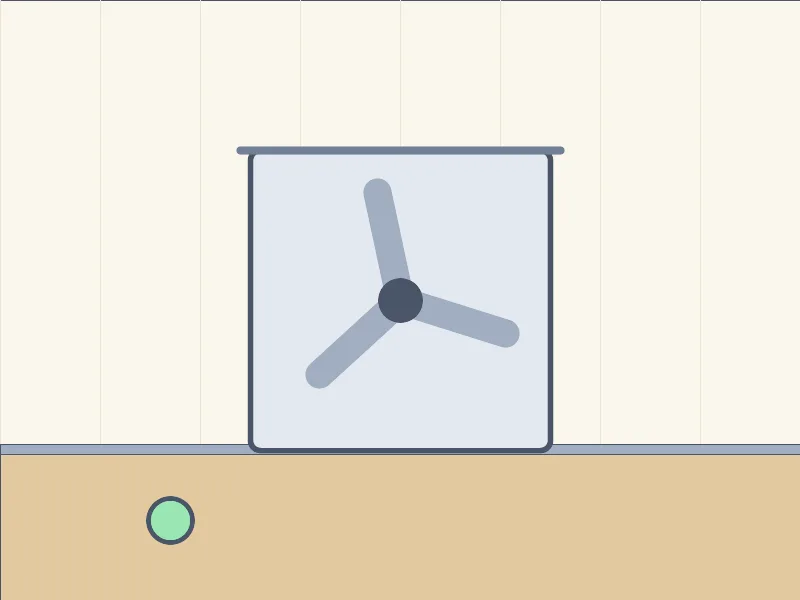
A whole-house fan pulls cool evening air through open windows and pushes hot air out through the attic, cooling a home fast for a fraction of AC cost. Installed right, it is a powerful comfort upgrade. How to install a whole-house fan starts with the attic, which needs enough vent area to exhaust the air the fan moves.
1. Check your attic first
1. The attic needs enough vent area to exhaust the air the fan moves.
2. Match vent area to the fan's rating; the manufacturer lists it.
3. Add ridge, soffit or gable vents if the attic cannot breathe.
4. Without exhaust, the fan pressurizes the attic and does little good.
2. Choose the location
1. Pick a central hallway ceiling for the best whole-house airflow.
2. Center the fan between joists, clear of wiring and ducts.
3. Keep it away from bedrooms if noise matters.
4. A good location pulls air evenly through the whole house.
3. Size the fan correctly
1. Fans are rated in cubic feet per minute, matched to your home's size.
2. Bigger is not always better; too much airflow needs huge attic venting.
3. Follow the manufacturer's sizing for your square footage.
4. The right size cools fast without overworking the attic vents.
4. Cut and frame the opening
1. Mark the opening between joists from the template.
2. Cut the drywall with a drywall saw.
3. Frame the opening with lumber for a solid mount.
4. Do not cut structural joists; frame around them instead.
5. Wire the fan safely
1. Turn off the breaker and confirm the power is dead.
2. Run a dedicated circuit or tap an appropriate one per code.
3. Connect the fan per the wiring diagram, with proper cable and box.
4. If any of this is unfamiliar, hire an electrician for this step.
6. Mount and seal the unit
1. Secure the fan or its housing to the framing.
2. Install the ceiling grille and any insulated shutter.
3. Seal gaps around the unit so attic air does not leak into the house.
4. A tight seal keeps the fan efficient and quiet.
7. Test and use it right
1. Restore power and test every speed and the shutter.
2. Run the fan with windows open; never sealed tight.
3. Use it in the evening and early morning when outdoor air is cool.
4. Close up and switch to AC when the day heats past the outdoor air.
Common mistakes
- Installing without enough attic venting, so hot air has nowhere to go.
- Cutting a structural joist to fit the fan, which weakens the ceiling.
- Wiring without killing the breaker, a dangerous and avoidable mistake.
- Running the fan with windows closed, which pulls conditioned air and strains the motor.
Related guides
- How to Install a Radiant Barrier in an Attic
- How to Install a Bathroom Exhaust Fan the Right Way
- How to Set Ceiling Fan Direction for Each Season
- How to Clean a Ceiling Fan Without Spreading Dust Everywhere
FAQ
Do whole-house fans really work?
Yes, in the right climate. Where evenings cool down, a whole-house fan flushes hot air and cools a home fast for far less energy than air conditioning.
Can I install a whole-house fan myself?
If you are comfortable with framing and electrical work, yes. Cutting joists and wiring are the tricky parts, so many people hire out those steps.
Where should a whole-house fan go?
A central hallway ceiling, between joists, away from bedrooms. Central placement pulls air evenly through open windows across the whole house.
Do I need attic vents for a whole-house fan?
Absolutely. The fan pushes indoor air into the attic, and that air must escape through ridge, soffit or gable vents. Without enough venting, the fan cannot work properly.
More from this topic
- How to Install a Radiant Barrier in an Attic: How to install a radiant barrier in an attic: know when it helps, keep the foil off the deck, leave the vents...
- How to Install a Smart Thermostat Yourself: Learn how to install a smart thermostat: check compatibility, label the wires, connect the base, set up the...
- How to Keep Your House Cool in Summer Without Constant AC: Learn how to keep your house cool in summer with shades, airflow, fans, sealing gaps, and smart habits that...
- How to Vent a Bathroom Fan Through the Attic: How to vent a bathroom fan through the attic: run rigid duct to the outside, slope it right, insulate it, and...
- How to Install a Pull Down Attic Ladder: How to install a pull down attic ladder: cut the opening to the right size, frame it solid, set the unit...
 Heating and CoolingHow to Install a Radiant Barrier in an AtticHow to install a radiant barrier in an attic: know when it helps, keep the foil off the deck, leave the vents open, and avoid trapping moisture.
 Heating and CoolingHow to Install a Smart Thermostat YourselfLearn how to install a smart thermostat: check compatibility, label the wires, connect the base, set up the app and schedule, and test every mode.
 Heating and CoolingHow to Keep Your House Cool in Summer Without Constant ACLearn how to keep your house cool in summer with shades, airflow, fans, sealing gaps, and smart habits that cut indoor heat before it builds up.
 Heating and CoolingHow to Vent a Bathroom Fan Through the AtticHow to vent a bathroom fan through the attic: run rigid duct to the outside, slope it right, insulate it, and keep moist air out of the attic.
 First HomeHow to Install a Pull Down Attic LadderHow to install a pull down attic ladder: cut the opening to the right size, frame it solid, set the unit square, and adjust the legs for a safe climb.