
How to Lay a Cobblestone Path
Part of: Outdoors and garage
- Difficulty
- Moderate
- Time
- 2 weekends
- Tools
- Shovel, wheelbarrow, rubber mallet, level, string line, rake, sand, gravel, cobbles, gloves, safety glasses
- Call a pro if
- The path is on a steep slope or has to carry a vehicle, since loose cobbles move under load.
In this guide
- Wear protection
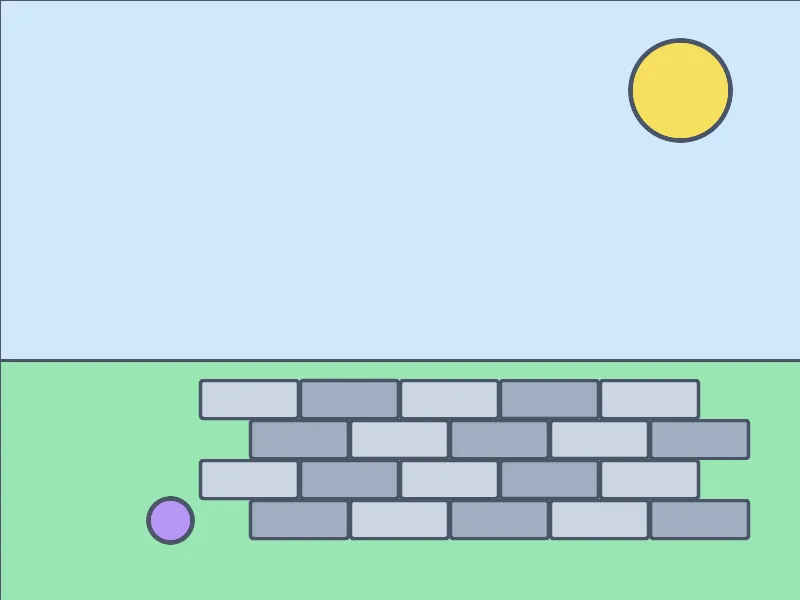
To lay a cobblestone path, you fit stones that are not alike. That makes the work about choosing and placing each one, not following a grid. Here are the parts that are different from a paver path.
1. Choose the stones
Pick stones of similar thickness, even if the faces differ. Buy about 10 percent extra and reject cracked ones.
2. Base and edges
Plan the route, set the edges, excavate and build the base as in how to lay a paver path.
3. Sort stone by size and shape
Sort the stones into piles: large, medium, small and edge stones with one flat side.
4. Set the largest stones first
Place the biggest stones in a staggered line with even joints, tapping each level with its neighbors.
5. Set the edge stones
Set stones with a flat side along the outer line. They hold the rest in place.
6. Fill the middle
Fill between the large stones with medium and small ones, choosing the best fit. Do not force a stone in.
7. Wide joints and how much sand they take
Cobble joints are often a finger wide and take more sand than you expect. Sweep it in, water lightly and add more until the joints stay full.
8. Settle and sand
Top up the sand after a week and reset any stone that rocks.
Why a cobble path settles differently
Each stone bears on the base differently, so heavy ones sink more. Expect slight unevenness in the first season and fix it by lifting the stone and adding sand.
Quick tips
Match thickness before face.
When to stop
Stop if the path crosses a slope or a drain, or must carry a vehicle. See how to build a stone border around a tree; for edging see how to edge a garden bed with stone.
Common mistakes
- Mixing stone of different thickness.
- Narrow joints that cannot take sand.
- Forcing stones into gaps.
Related guides
- How to Lay a Gravel Path
- How to Build a Gravel Boardwalk
- How to Repair a Gravel Driveway
- How to Build a Gravel Parking Pad
FAQ
Why is my cobble path uneven?
Stones settle at different rates. Lift and rebed the low ones.
What base does a cobblestone path need?
Excavate about 6 to 8 inches; lay compacted crushed stone for the base; then a 1 to 2 inch bed of coarse sand to set the stones in. The compacted base; not the sand; is what stops the path from sinking and shifting.
How do I keep cobblestones from spreading apart?
A solid edge restraint holds the field together: steel or plastic edging spiked into the base; or a row of stones set in concrete along both sides. Without an edge; foot traffic slowly pushes the stones outward.
What fills the joints between cobblestones?
Sweep polymeric sand into the joints and mist it with water to lock the stones in place. Regular coarse sand works too but washes out faster. In shady damp spots; mortar joints resist moss better but need a concrete base.
More from this topic
- How to Lay a Greenhouse Base: Learn how to lay a greenhouse base: level the ground, set a firm edging or slab pad and anchor the frame...
- How to Lay a Paver Path: Learn how to lay a paver path: excavate, set a compacted base and sand bed and lay pavers to a tight, level...
- How to Lay a Gravel Path: Learn how to lay a gravel path: plan the route and width, dig out the turf, edge it, build a compacted base...
- How to Divide and Transplant Perennials: Learn how to divide and transplant perennials: lift the clump, split it with two forks, trim the roots and...
- How to Organize a Shed: Learn how to organize a shed: declutter, zone by task, use walls and vertical space, and keep everything...
 Garage and OutdoorsHow to Lay a Greenhouse BaseLearn how to lay a greenhouse base: level the ground, set a firm edging or slab pad and anchor the frame square.
 Garage and OutdoorsHow to Lay a Paver PathLearn how to lay a paver path: excavate, set a compacted base and sand bed and lay pavers to a tight, level joint.
 Garage and OutdoorsHow to Lay a Gravel PathLearn how to lay a gravel path: plan the route and width, dig out the turf, edge it, build a compacted base and add the top layer at the right depth.
 Garage and OutdoorsHow to Divide and Transplant PerennialsLearn how to divide and transplant perennials: lift the clump, split it with two forks, trim the roots and replant at the right depth for regrowth.
 Garage and OutdoorsHow to Organize a ShedLearn how to organize a shed: declutter, zone by task, use walls and vertical space, and keep everything findable.