
How to Paint a Concrete Step
Part of: Outdoors and garage

- Difficulty
- Moderate
- Time
- 1 to 2 days
- Tools
- Stiff brush, scraper, patching mix, masonry primer, porch paint, roller and brush, non-slip additive, gloves
- Call a pro if
- The step is crumbling or loose, since paint will not hold on failing concrete.
In this guide
- Wear protection
- Chemical safety
Painting a concrete step hides stains and makes the edge visible, but only if the surface is prepped. Paint on a dirty or damp step peels within a season, and a smooth painted step gets slippery when wet. How to paint a concrete step starts with the concrete, looking for crumbled edges, cracks and a hollow sound when you knock on it.
1. Check the concrete
1. Look for crumbled edges and cracks.
2. Knock on the step; a hollow sound means a void.
3. A step that rocks needs repair first.
4. Paint will not hold a failing surface, so fix the step first.
2. Pick the paint
1. Use a paint made for masonry or porch floors.
2. Latex masonry paint is easier to work with.
3. Oil-based paint bonds harder but smells more.
4. Add a non-slip additive for safety.
5. Match the color to the house trim.
3. Clean the step
1. Sweep off dirt and grit.
2. Scrub with a stiff brush and mild detergent.
3. Rinse thoroughly.
4. Remove moss and algae.
5. Let it dry for a full day.
4. Patch and fill
1. Fill cracks with a concrete patch.
2. Repair crumbled edges with patching mix.
3. Let the patches cure.
4. Sand them smooth.
5. Etch the surface
1. New, smooth concrete resists paint.
2. Use a masonry etchant per the label.
3. Apply, scrub, and rinse well.
4. Neutralize if the label says so.
5. Let it dry completely.
6. Prime it
1. Use a masonry primer on bare concrete.
2. A primer blocks stains and helps bonding.
3. Roll it on evenly.
4. Let it dry per the label.
5. Do not skip primer on a patchy surface.
7. Pick the weather
1. Air temperature in the range on the can, often 50 to 80 degrees.
2. No rain for 24 hours.
3. Avoid full sun, which dries the paint too fast.
4. Avoid a windy day.
5. Morning is usually the best window.
8. Apply the first coat
1. Cut in the edges with a brush.
2. Roll the flat tread.
3. Work the paint into the pores.
4. Keep a wet edge.
5. Let it dry fully.
9. Add the second coat
1. Two thin coats beat one thick one.
2. Add the non-slip additive to the final coat.
3. Stir it in evenly.
4. Roll it out while it is still wet.
5. Let it cure for the time on the label.
10. Handle the riser and the edges
1. Paint the riser as well as the tread.
2. Use a brush for the corners.
3. Paint the nosing so the edge is visible.
4. Keep paint off the adjacent siding.
5. Mask the wall and the walkway with tape and a drop cloth first.
11. Keep it looking good
- Sweep the step weekly.
- Clean spills before they soak in.
- Touch up chips before winter.
- Avoid deicing salt on painted concrete.
- Repaint every few years.
Common mistakes
- Painting a damp step.
- Skipping the etch on smooth concrete.
- One thick coat instead of two thin ones.
- No non-slip additive on a step.
- Painting over a crumbling edge.
Related guides
- How to Paint a Shed
- How to Seal a Garage Floor
- How to Seal a Concrete Driveway
- How to Epoxy a Garage Floor That Lasts
- How to Clean a Concrete Retaining Wall
- How to Clean a Concrete Stoop
FAQ
What kind of paint do you use on concrete steps?
A masonry or porch floor paint, with a non-slip additive.
Do concrete steps need primer?
Bare or patchy concrete does. Primer also blocks stains.
How long does paint last on a concrete step?
Three to five years with good prep and a topcoat.
Can I paint a concrete step in cold weather?
Not below the temperature on the can. The paint will not cure.
More from this topic
- How to Paint a Shed: Learn how to paint a shed: prep and repair the surface, prime bare wood, and apply exterior paint that lasts...
- How to Repair a Cracked Concrete Step: Cracks and Chips: Learn how to repair a cracked concrete step. Clean the damage, fill cracks with a patch compound, rebuild...
- How to Repair a Cracked Concrete Step Nosing: Learn how to repair a cracked concrete step nosing: cut back the broken edge, form it and patch with a mix...
- How to Fix a Wobbly Handrail on Outdoor Steps: Learn how to fix a wobbly handrail on outdoor steps. Find the loose post or bracket, tighten the fasteners,...
- How to Paint a Wood Fence: Learn how to paint a wood fence: clean and repair the wood, prime bare spots, apply the paint in the right...
 Garage and OutdoorsHow to Paint a ShedLearn how to paint a shed: prep and repair the surface, prime bare wood, and apply exterior paint that lasts for years.
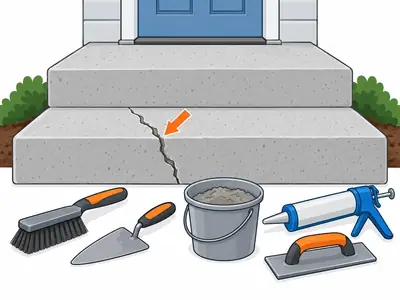 Garage and OutdoorsHow to Repair a Cracked Concrete Step: Cracks and ChipsLearn how to repair a cracked concrete step. Clean the damage, fill cracks with a patch compound, rebuild chipped edges and seal the step against water and ice.
 Garage and OutdoorsHow to Repair a Cracked Concrete Step NosingLearn how to repair a cracked concrete step nosing: cut back the broken edge, form it and patch with a mix that will hold.
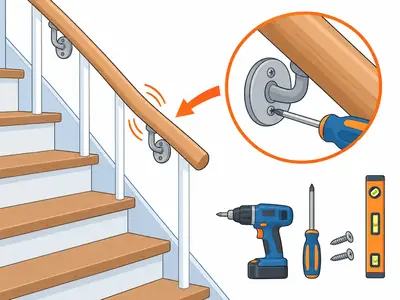 Garage and OutdoorsHow to Fix a Wobbly Handrail on Outdoor StepsLearn how to fix a wobbly handrail on outdoor steps. Find the loose post or bracket, tighten the fasteners, repair rotted wood and test the rail for strength.
 Garage and OutdoorsHow to Paint a Wood FenceLearn how to paint a wood fence: clean and repair the wood, prime bare spots, apply the paint in the right weather and keep the finish lasting.