
How to Protect Plants From Frost on Cold Nights
Part of: Seasonal maintenance
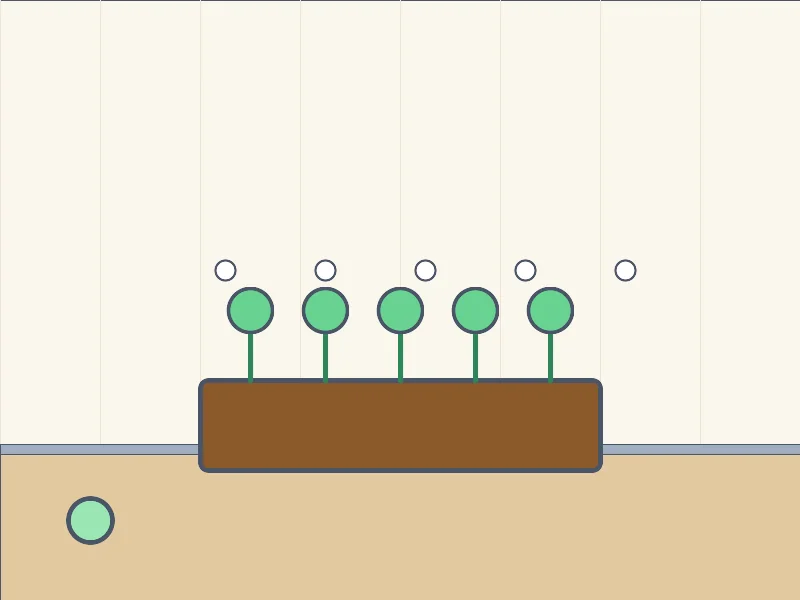
- Difficulty
- Easy
- Time
- 15 to 45 minutes
- Tools
- Frost cloth or old sheets, stakes or tomato cages, clothespins or clips, mulch, watering can, wheelbarrow or hand truck, thermometer, weather app
- Call a pro if
- You have large trees, expensive plants, or a greenhouse that needs heating, or a hard freeze is forecast for several nights.
In this guide
A frost can kill tender plants in one night. The good news is that you can often save them with a bit of planning. How to protect plants from frost starts with the forecast, since frost forms on clear calm nights when the air falls near freezing.
Watch the forecast
Frost can form when the air temperature falls near freezing on a clear, calm night. Check a local forecast in the afternoon. Know which plants in your yard are tender. Basil, tomatoes, peppers, and many flowers suffer first. Hardy plants like kale and pansies handle cold better.
Before the night
1. Water the soil. Moist soil holds more heat than dry soil. Water in the morning or afternoon, not at night.
2. Mulch. A layer of mulch helps hold warmth around roots. See how to mulch garden beds.
3. Harvest ripe vegetables that will not survive the cold.
4. Collect covers. Use frost cloth, burlap, or old sheets and blankets. Avoid plain plastic touching the leaves.
Covering plants
1. Cover late in the day, before the sun sets, so you trap heat from the soil.
2. Support the cover with stakes or tomato cages so it does not crush the plant.
3. Reach the ground. Drape the cover to the soil and anchor it with rocks, clips, or soil.
4. Use more than one layer if a hard freeze is expected.
5. Remove covers in the morning once temperatures rise above freezing.
If you use plastic, keep it off the leaves with a frame and remove it in the morning so heat does not build up.
Container plants
Potted plants are easy to move. Bring them into a garage, porch, or shed. Group pots together by a wall. Elevate them off cold ground. Wrap pots with fabric if they have to stay out. See how to store patio furniture for winter for another fall job.
Trees and shrubs
Small trees can be wrapped with frost cloth. Do not wrap tightly. Large plants are hard to protect, so choose hardy varieties when you plant.
If frost hits
Do not rush to prune damaged leaves. Wait until the danger of frost is over. The dead leaves protect the plant from more cold. Water the soil lightly and check for new growth in spring.
Protect the house too
A cold snap can freeze outdoor faucets and pipes. Drain hoses, shut off outdoor water, and use a hose bib cover. See how to install a hose bib cover for winter and how to thaw frozen pipes safely.
Raised beds and gardens
If you grow in raised beds, keep covers and stakes ready. See how to set up a raised garden bed.
FAQ
What temperature kills plants?
Tender plants can be hurt at around freezing or a little above. Hardy plants handle lower temperatures.
Do I need to remove the cover each morning?
Yes, once it warms up. Plants need light and air.
Can I use bubble wrap?
It can insulate pots, but do not seal plants in it for long.
Is watering before frost helpful?
Yes. Moist soil holds heat better.
Related guides
- How to Winterize a Fire Pit: Learn how to winterize a fire pit: clean out ash, protect metal and stone, cover it right, and prevent rust...
- How to Leave a House Empty for Months: Learn how to leave a house empty for months: shut off the water, set the heat, secure the doors and windows,...
- How to Prepare Your Home for a Wildfire: Learn how to prepare your home for a wildfire: clear the zone around the house, keep embers out of vents and...
- How to Protect Your Home From Wildfire Smoke: Learn how to protect your home from wildfire smoke: seal the gaps, run the right filter, set up a clean room,...
- How to Stop Air Leaks Around Windows: Learn how to stop air leaks around windows: find the drafts, caulk gaps, add weatherstripping, and cut your...
 SeasonalHow to Winterize a Fire PitLearn how to winterize a fire pit: clean out ash, protect metal and stone, cover it right, and prevent rust and cracks.
 SeasonalHow to Leave a House Empty for MonthsLearn how to leave a house empty for months: shut off the water, set the heat, secure the doors and windows, and arrange checks so nothing floods or rots.
 SeasonalHow to Prepare Your Home for a WildfireLearn how to prepare your home for a wildfire: clear the zone around the house, keep embers out of vents and gutters, and plan what to take when you leave.SeasonalHow to Protect Your Home From Wildfire SmokeLearn how to protect your home from wildfire smoke: seal the gaps, run the right filter, set up a clean room, watch the air quality and cut indoor sources.
 SeasonalHow to Stop Air Leaks Around WindowsLearn how to stop air leaks around windows: find the drafts, caulk gaps, add weatherstripping, and cut your energy bills.