
DIY Plumbing vs Hiring a Plumber: Where the Line Is
Part of: Basic plumbing
- Difficulty
- Easy
- Time
- 15 minutes to read, before you pick up a wrench
- Tools
- Your main water shutoff location, a bucket, towels
- Call a pro if
- The job touches gas water heater connections, the main line, in-wall pipes, a sewer line or anything that needs a permit, or if a repair starts leaking and will not stop.
In this guide
- Power off first
- Water off first
- Gas safety
Plumbing is the trade where DIY confidence and DIY disaster sit closest together. A flapper swap saves real money; a cracked fitting behind a wall costs thousands. The diy plumbing vs hiring a plumber question has a fairly clear line once you sort jobs into three groups.
1. Learn what is almost always DIY
Some jobs need basic tools and patience, not a license.
1. Replacing a toilet flapper or fill valve; see how to replace a toilet flapper.
2. Swapping a showerhead or a faucet aerator.
3. Clearing a simple sink or tub clog with a plunger or hand snake.
4. Replacing a braided supply line to a toilet or faucet, with the water off.
5. These jobs share a pattern: one visible connection, a local shutoff and parts from any hardware store.
2. Know the jobs that sit on the line
These are DIY for a careful person and a pro job for anyone unsure.
1. Replacing a whole faucet: doable, but corroded shutoff valves and tight spaces turn it into a long afternoon.
2. Replacing a garbage disposal: manageable if you are comfortable with basic wiring, with the breaker off.
3. Resetting a toilet with a new wax ring: heavy, fiddly and unforgiving of mistakes.
4. The test is simple: if your first attempt fails, can you cleanly shut the water off and call someone? If not, hire first.
3. Leave these to a licensed plumber
Some jobs carry permit requirements, contamination risk or flood risk.
1. Anything on the main supply line, the water meter side or the sewer line.
2. In-wall pipe replacement, repiping and moving fixtures.
3. Water heater installation and anything touching gas connections.
4. Work your city requires a permit for; unpermitted plumbing can void insurance claims and complicate a home sale.
5. Sewage backups of any kind, which are a health hazard, not a handiness test.
4. Check the hidden costs of DIY
The wrench is cheap. The mistakes are not.
1. Price your time honestly; a pro does in an hour what takes a first-timer a day.
2. Count the special tools a one-off job needs, or look at rental.
3. A cross-threaded fitting or cracked shutoff can turn a small job into an emergency call, which is the most expensive kind.
4. Factor in disposal: old water heaters and toilets do not fit in a trash can.
5. Know when a DIY job becomes a pro call
Stopping early is a skill, not a failure.
1. Stop if a shutoff valve will not close fully or starts leaking when touched.
2. Stop if you find corroded galvanized pipe, green crusted fittings or signs of old patch repairs.
3. Stop if a clog resists a hand snake, since the blockage is likely deeper in the line.
4. Stop immediately if water is going where it should not; shut off the main and call.
6. Hire the plumber well
When you do call, a little prep lowers the bill.
1. Describe the symptoms, the age of the fixtures and what you already tried.
2. Ask for the price structure in writing before work starts.
3. Bundle small jobs into one visit to avoid repeat trip charges.
4. Our guides on questions to ask before hiring a handyman and reading a contractor estimate apply here too.
Common mistakes
- Starting a job without confirming the main shutoff works.
- Overtightening fittings, which cracks them and causes leaks days later.
- Using drain chemicals that damage pipes and make a pro's job harder.
- Skipping a required permit to save a small fee.
- Letting a slow leak run because the fix looks intimidating.
Related guides
- How to Choose a Plumber Before an Emergency
- Plumbing Leaks: How to Find and Fix the Most Common Ones
- DIY vs Hiring a Pro: How to Decide for Home Repairs
- How to Drain Your Plumbing System Completely
- How to Use Plumber's Tape: The Right Wrap Every Time
FAQ
Is it legal to do your own plumbing?
In most US states, homeowners can do basic repairs on their own home, but work on main lines, gas connections and permitted remodels requires a licensed plumber. Check your local rules before anything beyond a like-for-like swap.
What plumbing job saves the most money as DIY?
Toilet internals: flappers and fill valves fail constantly, cost little and take minutes. Faucet aerators and showerheads are close behind.
How do I find my main water shutoff?
Look where the main line enters the house: a basement wall, crawl space, garage or an outside box near the meter in warm climates. Turn it gently once a year so it does not seize.
When is a leak an emergency?
When you cannot stop the water with a local shutoff, when it is near electrical outlets or the panel, or when it involves sewage. Shut off the main and call a pro.
More from this topic
- How to Choose a Plumber Before an Emergency: How to choose a plumber before an emergency: shortlist licensed locals, verify insurance and reviews, test...
- How to Crimp PEX Pipe: Joints That Never Leak: How to crimp PEX pipe: cut square, seat the fitting, position the ring and gauge every crimp for leak-proof...
- How to Fix a Running Toilet: 5 Easy Repairs: Learn how to fix a running toilet in under an hour. Find the worn flapper, bad fill valve or high water level...
- How to Install a Water Heater Drain Pan: Learn how to install a water heater drain pan: pick the right size, drain it to a safe place, set the tank...
- How to Install a Water Pressure Regulator: Learn how to install a water pressure regulator: test the pressure, shut off the main, fit the valve the...
 PlumbingHow to Choose a Plumber Before an EmergencyHow to choose a plumber before an emergency: shortlist licensed locals, verify insurance and reviews, test them on a small job and save the number.
 PlumbingHow to Crimp PEX Pipe: Joints That Never LeakHow to crimp PEX pipe: cut square, seat the fitting, position the ring and gauge every crimp for leak-proof joints.
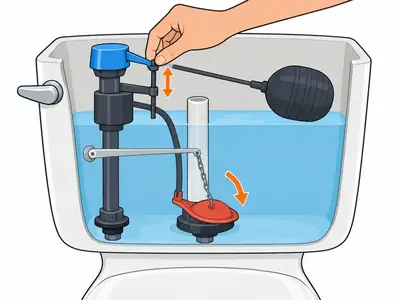 PlumbingHow to Fix a Running Toilet: 5 Easy RepairsLearn how to fix a running toilet in under an hour. Find the worn flapper, bad fill valve or high water level and repair it yourself.
 PlumbingHow to Install a Water Heater Drain PanLearn how to install a water heater drain pan: pick the right size, drain it to a safe place, set the tank back and check the pan after the first heating cycle.
 PlumbingHow to Install a Water Pressure RegulatorLearn how to install a water pressure regulator: test the pressure, shut off the main, fit the valve the right way round and set it to a safe pressure.