
How to Fix a Toilet That Overflows
Part of: Basic plumbing
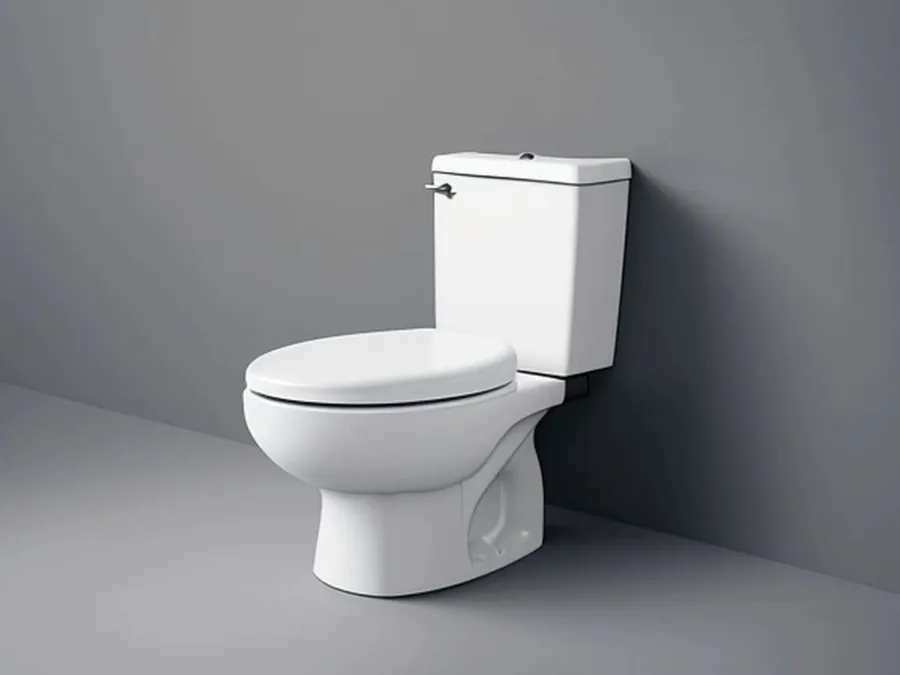
- Difficulty
- Easy
- Time
- 30 to 60 minutes
- Tools
- A plunger, a toilet auger, rubber gloves, old towels
- Call a pro if
- Multiple fixtures back up together, since that is a main-line clog and the auger in your hand cannot reach it.
In this guide
- Wear protection
The bowl is rising and the bathroom floor is seconds from a claim on your homeowner's policy. How to fix a toilet that overflows starts with stopping the water, and the stop takes five seconds once you know where. This guide covers the emergency stop, the clearing and the habits that keep the water in the bowl.
1. Stop the water first
The five-second save.
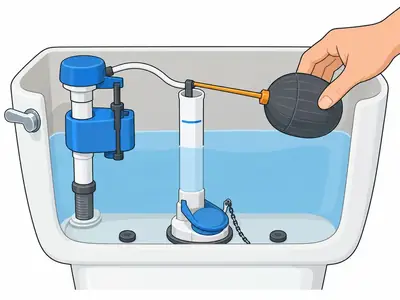
1. Take the tank lid off and push the flapper closed over the flush valve.
2. Or reach the shutoff valve behind the toilet and turn it clockwise.
3. Both stop the refill while the bowl drains on its own.
4. How to fix a running toilet covers the valve if the shutoff itself is stuck.
2. Contain the overflow
The floor work.
1. Towels around the base catch what crests.
2. Do not mop with your good towels; this water is contaminated.
3. Disinfect the floor after, including the grout lines.
4. Water that reached a ceiling below means checking under the floor; ceiling stain after rain logic applies to any ceiling moisture.
3. Identify the cause
Overflows come from three places.
1. A clog in the trap: the bowl drains slowly or not at all.
2. A clog past the toilet: other fixtures gurgle when the toilet flushes.
3. A float set too high: the tank overfills and the bowl rims up before any flush.
4. Most overflows are the trap, and the plunger is next.
4. Plunge the right way
The technique that actually clears it.
1. Use a flange plunger; the cup extends into the bowl outlet.
2. Water must cover the plunger head; add water if the bowl drained.
3. Start gently to seat the seal, then plunge firmly fifteen to twenty times.
4. Water that swirls away is the clog releasing; how to unclog a toilet covers the full technique ladder.
5. Auger the stubborn clog
The tool that reaches past the trap.
1. Feed the toilet auger's sleeve into the bowl outlet.
2. Crank the cable through the trap until it bites the clog.
3. Pull the debris back or break it through.
4. The auger's sleeve protects the porcelain; never use a bare drain snake in a toilet.
6. Test before declaring victory
The watched flush.
1. Fill the bowl with a bucket of water and pour; a clear drain swallows it fast.
2. Then one real flush, hand on the shutoff.
3. A bowl that rises again means the clog is further down; how to fix a toilet that keeps clogging covers the repeat offenders.
4. Gurgling sinks during the test flush point at the main line, and that is the pro call.
7. Prevent the next overflow
The habits that matter.
1. Only waste and paper flush; wipes, even flushable ones, are the top clog cause.
2. Less paper per flush beats a second flush.
3. Teach the household where the shutoff is; the five-second stop saves floors.
4. A toilet that clogs monthly is telling you something; the keeps-clogging guide above walks the deeper causes.
Common mistakes
- Flushing again to check, and mopping the result.
- Plunging with a flat cup plunger that cannot seal the bowl.
- Running a bare auger and scratching the porcelain gray.
- Chemical drain cleaner in a toilet; it cannot reach the trap and burns the next person to plunge.
- Ignoring the slow drain that warned you for a week.
FAQ
How do you stop a toilet from overflowing?
Push the flapper closed inside the tank or turn the shutoff valve behind the toilet clockwise. Both stop the refill in seconds; then towels around the base while the bowl settles.
Why does my toilet overflow when I flush?
Usually a clog in the trap or the line below it; the flush adds water faster than the blockage passes it. A float set too high can also rim the bowl. Plunge first, auger second, and listen for gurgling at other fixtures.
Can you use a plunger on an overflowing toilet?
Yes, once the water stops rising. Use a flange plunger with the head submerged, seat it gently, then plunge firmly. Never plunge while the bowl is still cresting.
When is an overflowing toilet a main-line problem?
When other fixtures gurgle or back up as the toilet flushes, or when more than one fixture misbehaves at once. That clog is past every fixture, in the main, and it is a pro's auger, not yours.
Related guides
- How to Fix a Toilet That Keeps Clogging: Find the Real Cause: How to fix a toilet that keeps clogging: rule out the flush, the paper, the trap and the main line, in the...
- How to Fix a Toilet That Flushes Twice: How to fix a toilet that flushes twice: adjust the water level, fix the flapper timing and stop the phantom...
- How to Stop a Gutter From Overflowing in Heavy Rain: Learn how to stop a gutter from overflowing in heavy rain: size the outlets, clear the run, fix the slope and...
- Toilet Keeps Running After Flush: Check the Fill Tube First: Toilet keeps running after flush? Check the fill tube, overflow tube, water level and flapper in minutes....
- How to Adjust a Toilet Float: Set the Water Level Right: How to adjust a toilet float to fix running, weak flushes and overfilling: the screw and clip adjustments for...
 PlumbingHow to Fix a Toilet That Keeps Clogging: Find the Real CauseHow to fix a toilet that keeps clogging: rule out the flush, the paper, the trap and the main line, in the order that ends repeat clogs.
 ToiletsHow to Fix a Toilet That Flushes TwiceHow to fix a toilet that flushes twice: adjust the water level, fix the flapper timing and stop the phantom second flush.
 Garage and OutdoorsHow to Stop a Gutter From Overflowing in Heavy RainLearn how to stop a gutter from overflowing in heavy rain: size the outlets, clear the run, fix the slope and add capacity where the water outruns the gutter.
 BathroomToilet Keeps Running After Flush: Check the Fill Tube FirstToilet keeps running after flush? Check the fill tube, overflow tube, water level and flapper in minutes. Simple steps, tools and when to call a plumber.
 PlumbingHow to Adjust a Toilet Float: Set the Water Level RightHow to adjust a toilet float to fix running, weak flushes and overfilling: the screw and clip adjustments for float-cup and ball floats.