
How to Get Rid of Lawn Grubs: Signs, Checking, and Treatment
Part of: Outdoors and garage
- Difficulty
- Moderate
- Time
- 1 to 3 hours
- Tools
- Flat shovel or spade, tarp, ruler, gloves, rake, grass seed, compost, hose, spreader if you apply a treatment
- Call a pro if
- Damage covers a large area, animals are tearing up the lawn, or you are not sure which treatment is legal and safe where you live.
In this guide
- Wear protection
Brown, spongy patches that lift like a carpet are a classic sign. If you need to get rid of lawn grubs, start by confirming they are the real problem, since many other issues look the same. Treating the lawn when grubs are not the cause wastes effort and can cause harm.
What lawn grubs are
Lawn grubs are the larvae of beetles, such as Japanese beetles and June bugs. They are C shaped, creamy white, and live in the soil, where they feed on grass roots. Adults lay eggs in summer, the grubs hatch and feed in late summer and fall, then dig deeper for winter and return in spring.
Signs of grubs
- Irregular brown patches that do not green up with watering
- Turf that peels back easily with no roots holding it
- Birds, skunks, raccoons, or moles digging in the lawn
- Patches that appear in late summer or early fall
Other causes can look similar, including drought, dog urine, disease, and compaction. See how to fix dog urine spots on a lawn.
Step by step
1. Do a soil check. Cut a square foot of turf on three sides with a spade, about three inches deep, and peel it back. Count the grubs in the soil.
2. Decide if treatment is needed. A few grubs per square foot are common and a healthy lawn can handle them. Many extension offices say damage becomes likely at higher counts, so check local advice.
3. Pick the right time. Young grubs in late summer to early fall are easier to control than large ones in spring. Timing and product choice depend on your area, so check with a local extension office or garden center.
4. Choose a treatment. Options include products made for grubs, or natural options sold for the purpose such as beneficial nematodes. Read the label for timing and watering.
5. Water in the product if the label says to, so it reaches the root zone.
6. Rake out dead turf once the grubs are under control.
7. Reseed and feed. Loosen the soil, add compost, spread seed, and keep it damp. See how to fix bare patches in a lawn.
Reduce the risk next year
- Keep the lawn healthy. Thick grass with deep roots tolerates grubs better. See how to water a lawn properly.
- Mow high and avoid short scalping.
- Water in the right pattern. Beetles prefer moist soil for laying eggs in summer, so avoid overwatering then.
- Dethatch if the layer is thick. See how to dethatch a lawn.
- Check each late summer. A quick soil check can catch trouble early.
Animals digging
Skunks and raccoons dig for grubs. Treating the grubs removes their food. Avoid trapping or harming wildlife, and check local rules. Roll damaged turf back and press it down if it is only loosened.
Not every grub is a pest
Some grubs are harmless or even helpful, like those of beneficial beetles. A small number in the soil are part of a healthy yard. Treat only when damage and counts call for it.
Related guides
- How to Get Rid of Clover in a Lawn, or Decide to Keep It
- How to Get Rid of Crickets in Your Home
- How to Get Rid of Moles in Your Yard
- How to Get Rid of Centipedes in the House
- How to Get Rid of Spiders in the House
- How to Get Rid of Earwigs in the House and Garden
FAQ
When do grubs do the most damage?
Late summer through fall, and sometimes again in spring.
Will the lawn recover by itself?
Light damage may recover with water and care. Heavy damage needs reseeding.
Are natural treatments effective?
Some can help when timed right. Check local advice for what works in your area.
Can I treat every year?
Only if checks show a problem. Over treating is not needed.
More from this topic
- How to Fix Dog Urine Spots on a Lawn and Prevent New Ones: Learn how to fix dog urine spots on a lawn: flush the area, rake out dead grass, reseed, and use simple...
- How to Get Rid of Fleas in the House: Learn how to get rid of fleas in the house: treat the pets, vacuum daily, wash bedding hot, and break the...
- How to Get Rid of Moss in a Lawn: Learn how to get rid of moss in a lawn: find out why it grows, rake it out, fix shade, drainage, and soil,...
- Repair Sprinkler Pipe: Cut Out the Damage and Fit a Coupling: Geyser in the lawn? Repair sprinkler pipe damage: call 811 before digging, cut out the break and fit a...
- How to Get Rid of Clover in a Lawn, or Decide to Keep It: Learn how to get rid of clover in a lawn: why it grows, hand pulling, feeding, mowing, and overseeding, plus...
 Garage and OutdoorsHow to Fix Dog Urine Spots on a Lawn and Prevent New OnesLearn how to fix dog urine spots on a lawn: flush the area, rake out dead grass, reseed, and use simple habits to prevent yellow patches from coming back.
 Garage and OutdoorsHow to Get Rid of Fleas in the HouseLearn how to get rid of fleas in the house: treat the pets, vacuum daily, wash bedding hot, and break the flea life cycle for good.
 Garage and OutdoorsHow to Get Rid of Moss in a LawnLearn how to get rid of moss in a lawn: find out why it grows, rake it out, fix shade, drainage, and soil, then reseed so grass crowds the moss out.
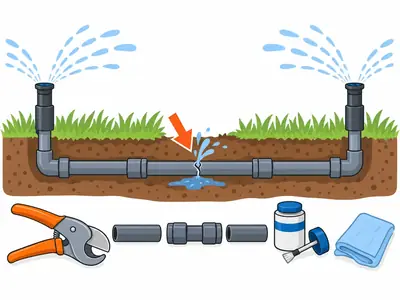 Garage and OutdoorsRepair Sprinkler Pipe: Cut Out the Damage and Fit a CouplingGeyser in the lawn? Repair sprinkler pipe damage: call 811 before digging, cut out the break and fit a coupling that lasts. Steps and safety tips included.
 Garage and OutdoorsHow to Get Rid of Clover in a Lawn, or Decide to Keep ItLearn how to get rid of clover in a lawn: why it grows, hand pulling, feeding, mowing, and overseeding, plus when clover is worth keeping for a greener lawn.