
How to Grow Grass in Shade Under Trees and Along Fences
Part of: Outdoors and garage
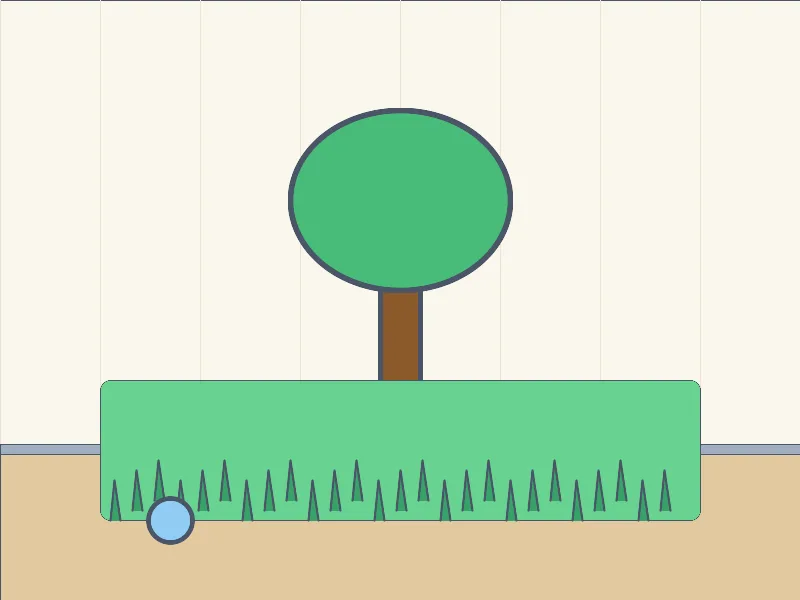
- Difficulty
- Moderate
- Time
- 2 to 3 hours plus weeks of care
- Tools
- Shade tolerant grass seed, rake, garden fork, compost, spreader, hose or sprinkler, pruning saw or loppers, mower, gloves
- Call a pro if
- Large tree limbs need removal, roots are heavy and exposed, or a mature tree looks sick or leans.
In this guide
- Ladder safety
- Wear protection
Many yards have a shady spot where grass looks thin, pale, or bare. If you want to grow grass in shade, you need to work with the light you have. No grass thrives in deep darkness, but the right seed and habits can make a real difference.
How much shade is too much
Count the hours. Full shade means less than about two hours of direct sun. Partial shade gets two to four hours. Dappled shade filters light through leaves. Most grasses need at least four hours of sun, while some shade tolerant types manage with less. If your spot gets almost no light, grass may not work, and ground cover or mulch is a better choice.
Step by step
1. Open up the canopy. Prune low branches and thin dense growth so more light reaches the ground. Do not remove more than about a quarter of a tree's canopy in a season.
2. Rake and clear. Remove leaves, debris, and dead grass. See how to clean up fall leaves.
3. Loosen the soil. Use a garden fork to break up the top few inches, while avoiding large roots.
4. Add compost. Spread a thin layer to improve poor soil under trees.
5. Choose the right seed. Look for a blend labeled for shade and suited to your region, such as fine fescues in cool climates. Ask a local garden center for a blend that fits.
6. Sow the seed. Spread at the rate on the bag. Rake lightly so the seed touches soil.
7. Water. Keep the top inch damp until sprouts grow, then water deeply and less often.
8. Feed lightly. Shady lawns need less fertilizer than sunny ones, so follow the label and go easy.
Best timing
Early fall is ideal. Soil is still warm, trees are dropping leaves so more light gets through, and weeds slow down. Early spring works too, but young grass has less time to settle before summer heat and tree leaf out. Avoid seeding in the heat of summer.
Daily habits for shaded grass
- Mow high. Keep the grass at the upper end of the range for your type, which gives each blade more surface to catch light. See how to mow a lawn correctly.
- Water deeply. Trees compete for water, so give the lawn a good soak less often. See how to water a lawn properly.
- Keep foot traffic low. Shaded grass is more fragile.
- Rake leaves promptly. A mat of wet leaves blocks light.
- Watch for moss. It signals shade, wetness, or compaction. See how to get rid of moss in a lawn.
Tree roots
Do not dig deep around trunks. A few inches of added soil is fine, but piling thick layers of soil over roots can harm a tree. If roots are on the surface, grass will struggle there. Use mulch or a plant bed around the trunk instead.
Alternatives to grass
If grass keeps failing, think about shade plants that look good. Hostas, ferns, and some ground covers handle low light with little care. Mulch paths and a bench can turn a bare spot into a feature. See how to mulch garden beds.
FAQ
What kind of grass grows best in shade?
Fine fescues and some blends labeled for shade tend to do better in cool climates. Local advice matters, so ask a garden center.
Can I grow grass under a pine tree?
It is hard because of shade and needle litter, so consider mulch or ground cover.
How often should I reseed?
Shaded lawns often need seed each fall.
Should I use more fertilizer?
No. Shaded grass needs less. Too much can cause weak growth.
Related guides
- How to Fix Bare Patches in a Lawn: Find the Cause, Reseed: Learn how to fix bare patches in a lawn by finding the cause, loosening the soil, adding seed and cover, and...
- How to Mow a Lawn Correctly: Height, Timing and Pattern: Learn how to mow a lawn correctly: pick the right height, keep blades sharp, mow dry grass, change your...
- How to Overseed a Lawn for Thicker Grass and Fewer Weeds: Learn how to overseed a lawn: pick the best time, prepare the soil, spread the right seed, keep it damp, and...
- How to Prepare Your Lawn for Winter: A Simple Fall Checklist: Learn how to prepare your lawn for winter with simple fall steps: mow, clear leaves, aerate, feed, water, and...
- How to Dethatch a Lawn: When It Helps and How to Do It Right: Learn how to dethatch a lawn: check the thatch depth, choose a rake or power dethatcher, pick the right...
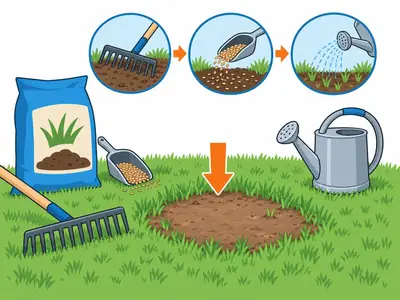 Garage and OutdoorsHow to Fix Bare Patches in a Lawn: Find the Cause, ReseedLearn how to fix bare patches in a lawn by finding the cause, loosening the soil, adding seed and cover, and watering so the grass fills in evenly.
 Garage and OutdoorsHow to Mow a Lawn Correctly: Height, Timing and PatternLearn how to mow a lawn correctly: pick the right height, keep blades sharp, mow dry grass, change your pattern, and manage clippings for a thicker lawn.
 Garage and OutdoorsHow to Overseed a Lawn for Thicker Grass and Fewer WeedsLearn how to overseed a lawn: pick the best time, prepare the soil, spread the right seed, keep it damp, and mow gently so thin grass fills in.
 Garage and OutdoorsHow to Prepare Your Lawn for Winter: A Simple Fall ChecklistLearn how to prepare your lawn for winter with simple fall steps: mow, clear leaves, aerate, feed, water, and store tools so grass wakes up healthy in spring.
 Garage and OutdoorsHow to Dethatch a Lawn: When It Helps and How to Do It RightLearn how to dethatch a lawn: check the thatch depth, choose a rake or power dethatcher, pick the right season, and follow up with seed, feed, and water.