
How to Prioritize Home Repairs When Everything Needs Work
Part of: Tools and everyday fixes
- Difficulty
- Easy
- Time
- An evening to build the list
- Tools
- A notepad or spreadsheet, a flashlight, photos of every problem
- Call a pro if
- Anything on the list involves gas, the electrical panel, structural movement or active leaks, since those jump the queue and need a pro's eyes first.
In this guide
- Power off first
- Gas safety
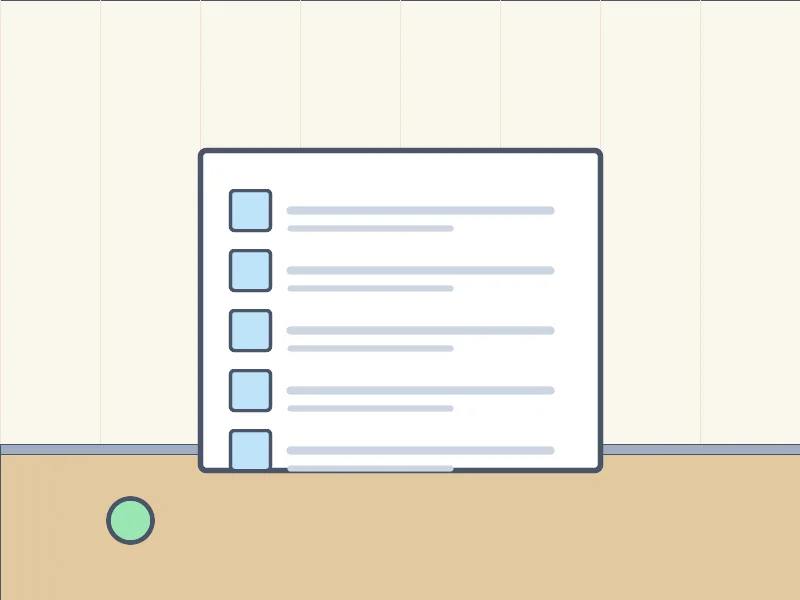
Every house has a list, and first homes have a long one. The trap is working through it by whichever repair is loudest or cheapest, and discovering that the quiet one was rotting the floor. Learning how to prioritize home repairs is really learning one rule: fix what hurts people first, then what hurts the house, then everything else.
1. Write the whole list down first
You cannot rank what you have not captured.
1. Walk every room, the attic, the basement and the outside with a flashlight.
2. Photograph each problem and give it one line: what, where, how long.
3. Include the invisible items: alarm ages, filter dates, the water heater's year.
4. The first week in a new home checklist doubles as the walkthrough route.
2. Tier one: safety, no debate
These items do not get ranked; they get done.
1. Working smoke and CO alarms on every level, under ten years old.
2. Anything electrical that smells, scorches, buzzes or trips repeatedly.
3. Gas smells, gas appliance faults and missing handrails or secure stairs.
4. Trip hazards, blocked exits and a fire extinguisher that is charged and reachable.
3. Tier two: active water
Water is the fastest way to a big bill.
1. Any active leak, from a supply line to a roof drip, goes here.
2. Stains that grow after rain or after showers are active until proven otherwise.
3. Drainage problems that push water toward the foundation belong here too.
4. Water always beats cosmetics, because water compounds.
4. Tier three: failing systems
The expensive organs of the house.
1. Heating and cooling that is unreliable, unsafe or near end of life.
2. A water heater showing the signs in when to replace your water heater.
3. Electrical capacity problems: an overloaded panel, too few circuits, aluminum wiring.
4. Windows and doors that no longer seal, in climates that punish them.
5. Tier four: prevention that pays back
Cheap work that cancels expensive work.
1. Caulking, weatherstripping and sealing that stop water and drafts.
2. Gutter and downspout fixes that protect the foundation.
3. Filters, flushing and the routines in the monthly home maintenance checklist.
4. Small carpentry repairs that stop moisture reaching wood.
6. Tier five: cosmetics and comfort
Last, and allowed to wait.
1. Paint, hardware swaps, dated fixtures that work fine.
2. Landscaping and anything purely visual.
3. Upgrades you want rather than repairs the house needs.
4. Batch these by room so each finished room feels done.
7. Fund it and schedule it
A ranked list becomes a plan with two more columns.
1. Mark each item DIY or pro, using diy plumbing vs hiring a plumber and diy electrical work as the pattern.
2. Get quotes for the pro items in tier order; how to read a contractor estimate keeps the quotes honest.
3. Set a monthly repair budget and let the tiers spend it in order.
4. Review the list quarterly; water and seasons move items between tiers.
Common mistakes
- Doing cosmetic work while an active leak quietly damages structure.
- Splitting the budget across everything instead of finishing tiers in order.
- Treating a system's age as a surprise instead of a calendar entry.
- Deferring safety items because the house "seems fine."
- Never writing the list, so the loudest repair always wins.
FAQ
What home repairs should be done first?
Safety items first: working smoke and CO alarms, electrical faults, gas issues and fall hazards. Then active water problems, because water damage compounds daily. Systems and prevention follow, and cosmetics come last.
How do I budget for home repairs?
Rank everything by tier, get quotes for the pro items, and assign a monthly amount that works down the list in order. A separate emergency cushion for the sudden tier-one items keeps the plan intact.
Should I fix old systems that still work?
Plan them rather than fix them. Note the age of the water heater, furnace and roof, and start saving before they fail. A planned replacement is cheaper and calmer than an emergency one.
What repairs add the most value?
Water and safety fixes protect value; kitchens, bathrooms and curb appeal add it. But value questions come after the first four tiers, because an unsold house still needs a dry foundation.
Related guides
- How to Store Leftover Tile: How to store leftover tile so it matches later: keep a full box, label the room, store it flat and dry, and...
- How to Request Repairs From a Landlord in Writing: Learn how to request repairs from a landlord in writing: photograph the problem, set a deadline, send it...
- How to Clean Work Gloves: Learn how to clean work gloves: wash leather, canvas and rubber gloves safely, remove smells, and dry them...
- How to Fix a Flat Wheelbarrow Tire: Learn how to fix a flat wheelbarrow tire: find the leak, patch the tube or fit a solid tire, and set the axle...
- How to Read a Contractor Estimate Before You Sign: Learn how to read a contractor estimate: scope, allowances, exclusions, payment schedule, change orders and...
 Tools and BasicsHow to Store Leftover TileHow to store leftover tile so it matches later: keep a full box, label the room, store it flat and dry, and know how much to keep.
 First HomeHow to Request Repairs From a Landlord in WritingLearn how to request repairs from a landlord in writing: photograph the problem, set a deadline, send it traceably and keep a record of every reply.
 Tools and BasicsHow to Clean Work GlovesLearn how to clean work gloves: wash leather, canvas and rubber gloves safely, remove smells, and dry them right.
 Tools and BasicsHow to Fix a Flat Wheelbarrow TireLearn how to fix a flat wheelbarrow tire: find the leak, patch the tube or fit a solid tire, and set the axle so it rolls freely.
 Tools and BasicsHow to Read a Contractor Estimate Before You SignLearn how to read a contractor estimate: scope, allowances, exclusions, payment schedule, change orders and how to compare bids on the same job.