
When to Replace Your Water Heater: The Real Signs
Part of: Basic plumbing · Also in: The Complete Guide to Home Plumbing Repair for Homeowners
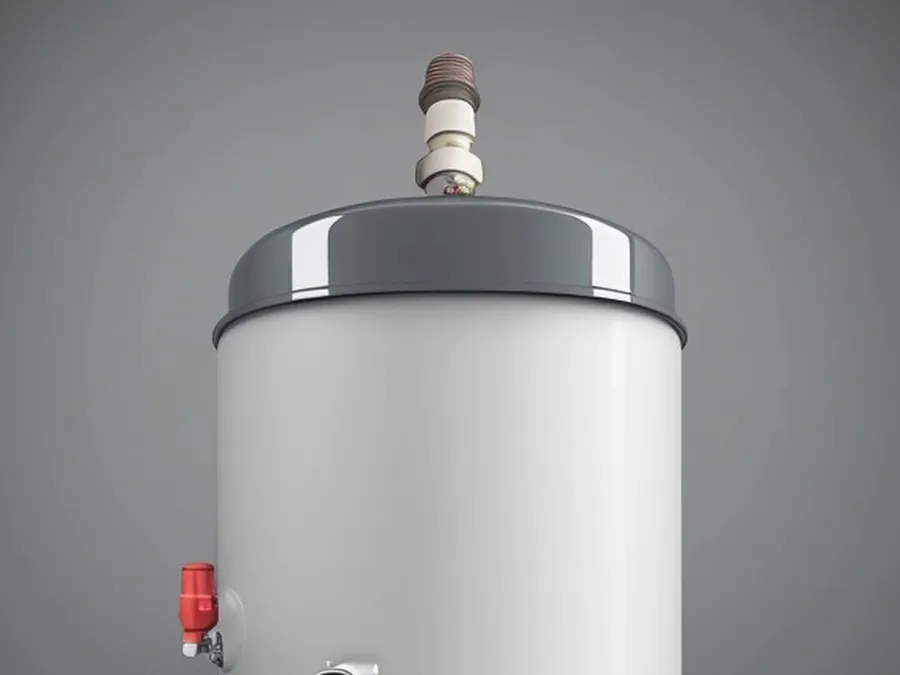
- Difficulty
- Easy
- Time
- 15 minutes of checks
- Tools
- A flashlight, the heater's serial label, a notepad
- Call a pro if
- You see moisture or rust streaks at the base of the tank, smell gas, or the temperature relief valve is dripping, since those mean the decision is urgent.
In this guide
- Power off first
- Gas safety
Knowing when to replace your water heater is easier because a water heater almost never dies without warning. These are the signs, in the order they usually appear.
1. Start with the age
The serial number tells you more than any symptom.
1. Find the label on the tank and decode the manufacture date with the maker's online date code tool.
2. Tank water heaters typically last eight to twelve years; tankless units run longer.
3. Past ten years, you are planning a replacement, not hoping for one.
4. Check the warranty period on the label too; tanks tend to fail not long after it ends.
2. Watch for rusty water from the hot faucet
Discoloration is the tank talking.
1. Rusty or brown water only on the hot side points inside the heater.
2. A spent anode rod lets the tank itself start corroding; replacing the anode rod can buy time on a younger tank.
3. Rusty water plus an aging tank means the inside is going, and the outside follows.
3. Listen for rumbling and popping
Noise is sediment, and sediment is damage.
1. Minerals bake onto the tank bottom and the water underneath boils and pops.
2. The layer insulates the water from the heat, so bills creep up and recovery slows, as covered in water heater takes too long to heat up.
3. Water heater popping noises explains the mechanics and the flush that helps.
4. A tank that still rumbles after flushing has hardened scale, and that shortens its remaining life.
4. Check for moisture where it should be dry
Leaks end the discussion.
1. Look at the base of the tank for dampness, rust streaks or mineral trails.
2. Check the fittings at the top; a fitting leak is repairable, a tank leak is not.
3. Water pooling from the tank body itself means the inner tank has failed.
4. A weeping relief valve can be a valve fault or a pressure problem; either way it gets checked, and how to fix a leaking water heater drain valve covers another common weep point.
5. Judge the hot water supply honestly
1. Hot water that runs out faster than it used to means lost tank volume to sediment or a failing element.
2. Lukewarm-max water with the dial unchanged points the same way.
3. On an old tank, those symptoms share the stage with corrosion, so repairs have diminishing returns.
4. Run the repair vs replace appliances math once the quotes arrive.
6. Decide between tank and tankless while you have time
An emergency replacement gets whatever is in stock.
1. Tankless heaters cost more upfront but last longer and never run empty.
2. A like-for-like tank swap is the simplest and cheapest install.
3. Fuel type, venting and your panel's spare capacity all shape what your house can take.
4. Decide the direction now, so the eventual replacement is a purchase, not a scramble.
7. Plan the replacement before the failure
1. Get one or two quotes while the tank still works; you can compare calmly.
2. Ask about haul-away, permit and code upgrades like expansion tanks; how to check a water heater expansion tank explains that piece.
3. Put the replacement month in your calendar when the tank passes ten years.
4. A planned swap also lets you catch sales and choose the installer, not the other way around.
Common mistakes
- Ignoring the manufacture date because the heater still makes hot water.
- Treating rusty hot water as a faucet problem for months.
- Plugging a dripping relief valve instead of finding why it drips.
- Repairing a twelve-year-old tank and having it fail the next season.
- Waiting for the leak, which chooses the timing and the damage.
FAQ
How long does a water heater usually last?
A typical tank water heater lasts eight to twelve years, depending on water hardness and maintenance. Annual flushing and a fresh anode rod push toward the top of that range; neglect pushes past the bottom.
Is rusty hot water always a dying water heater?
Not always. A spent anode rod causes it on tanks with life left, and city work discolors both hot and cold. Rusty water on hot only, on a tank past midlife, is the worrying combination.
Can I replace a water heater myself?
It involves gas or high-voltage electrical connections, plumbing, permits and code requirements in most areas. It is one of the least DIY-friendly appliances, and a bad install is a safety hazard.
Should I replace a working fifteen year old water heater?
Yes, on your schedule rather than its schedule. A tank that old is running on borrowed time, and the failure mode is a leak, not a quiet retirement.
Related guides
- When to Replace Your Refrigerator: The Signs: When to replace your refrigerator: age past ten years, a failing compressor, rising energy use and repeated...
- How to Replace an Anode Rod in Your Water Heater: Learn how to replace an anode rod to extend the life of your water heater. Tools, safe steps, signs of a worn...
- Replace Water Heater Thermostat Safely (Electric): Electric heater too hot, too cold or no hot water? Replace water heater thermostat parts safely with the...
- Water Heater Leaking From the Bottom: Water heater leaking from the bottom? Find out if it is a loose valve, condensation or a failed tank, and...
- How to Light a Water Heater Pilot Light Safely: How to light a water heater pilot: the gas smell check, the lighting sequence on the tank label, and what to...
 Cost GuidesWhen to Replace Your Refrigerator: The SignsWhen to replace your refrigerator: age past ten years, a failing compressor, rising energy use and repeated repairs. The signs, in decision order.
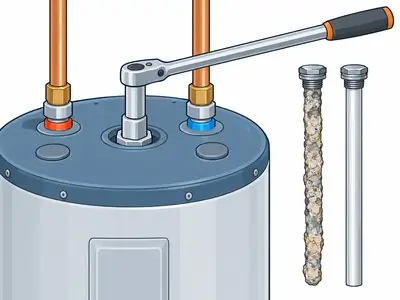 PlumbingHow to Replace an Anode Rod in Your Water HeaterLearn how to replace an anode rod to extend the life of your water heater. Tools, safe steps, signs of a worn rod and tips for tight spaces.
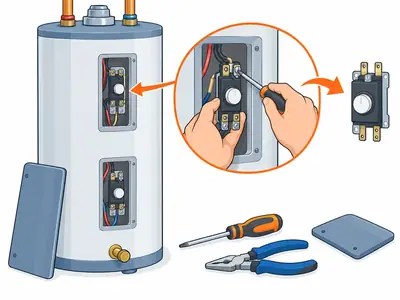 PlumbingReplace Water Heater Thermostat Safely (Electric)Electric heater too hot, too cold or no hot water? Replace water heater thermostat parts safely with the power off, and test before you buy.
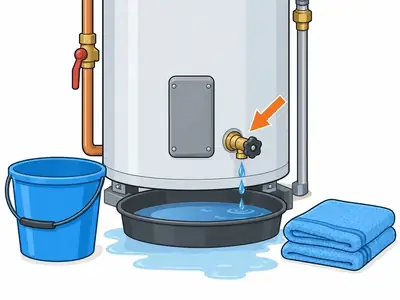 PlumbingWater Heater Leaking From the BottomWater heater leaking from the bottom? Find out if it is a loose valve, condensation or a failed tank, and learn the safe first steps to stop the water.
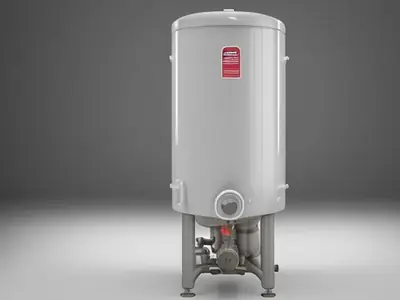 PlumbingHow to Light a Water Heater Pilot Light SafelyHow to light a water heater pilot: the gas smell check, the lighting sequence on the tank label, and what to do when it will not stay lit.