
When to Replace Your Refrigerator: The Signs
Part of: Appliances
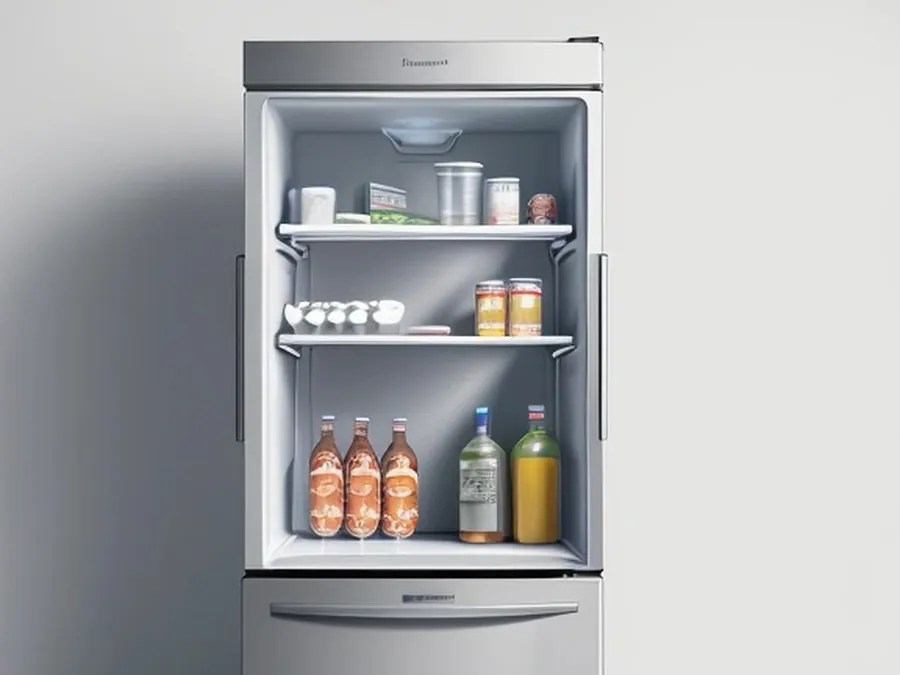
- Difficulty
- Easy
- Time
- 20 minutes of checks
- Tools
- Your refrigerator's age from the serial label, a thermometer, recent energy bills
- Call a pro if
- You smell burning or the compressor is scorching hot, since a failing compressor is a fire risk worth unplugging over.
In this guide
- Power off first
Refrigerators rarely die dramatically. They fade: running longer, cooling unevenly, humming louder. Knowing when to replace your refrigerator means reading those signs against the machine's age and the repair quote, and this guide walks them in the order they usually appear.
1. Check the age first
Age sets the baseline for every other sign.
1. Find the serial label inside the fresh-food compartment; the date code is in the serial number.
2. Most refrigerators last ten to fourteen years with clean coils and reasonable use.
3. Under eight years, repair almost always makes sense; past twelve, replacement usually does.
4. Built-in and counter-depth machines cost more to replace, which shifts their repair math further out.
2. Watch how the compressor behaves
The compressor is the heart, and its decline is audible.
1. A refrigerator that runs constantly is working too hard; refrigerator running constantly separates dirty coils from real failure.
2. Loud clicking as the compressor tries and fails to start means the end is near.
3. A compressor hot enough to burn your hand is failing and is a fire risk; unplug it.
4. Compressor replacement on an older machine rarely makes financial sense.
3. Test the actual temperatures
Numbers beat impressions.
1. Put a thermometer in the fridge and freezer; you want about 37 and 0 degrees Fahrenheit.
2. Refrigerator temperature settings walks the full test.
3. Temperatures that drift warm despite correct settings, with clean coils and good seals, point to a failing sealed system.
4. Sealed-system repairs on an old machine cost more than it is worth.
4. Read the physical warning signs
The machine shows its age on the outside too.
1. Condensation or frost where it should not be, after door-seal fixes have been tried.
2. Excessive heat on the outer walls between the doors.
3. Cracked liners, broken shelving rails and failing door hinges on an old machine signal general decline.
4. Rust around the ice and water system suggests internal leaks that only get worse.
5. Count the repair history
One repair is an event; three is a pattern.
1. A second significant repair within two years on a machine past eight is the classic replace signal.
2. Apply the half rule: any single repair over half the price of a comparable new machine means replace.
3. Repair vs replace appliances gives the full framework.
4. Keep receipts; the pattern is easier to see on paper than in memory.
6. Factor the energy math
Old machines cost money every month.
1. Refrigerators from fifteen-plus years ago can use twice the electricity of current models.
2. A creeping energy bill with no other explanation sometimes traces to the kitchen.
3. Efficiency savings alone rarely justify replacing a healthy machine, but they sweeten a decision already leaning toward replace.
4. Check the yellow EnergyGuide label on any new machine for the real comparison.
7. Extend the life of the next one
Replacement day is also prevention day.
1. Vacuum the coils twice a year; dirty coils are the top preventable killer.
2. Refrigerator maintenance is a ten-minute habit that adds years.
3. Leave breathing room around the cabinet and keep door seals clean.
4. Set temperatures correctly from day one; colder than needed shortens compressor life.
Common mistakes
- Replacing a machine whose only problem was dirty coils or a worn door seal.
- Paying for a sealed-system repair on a twelve-year-old refrigerator.
- Ignoring burning smells or a scorching compressor, which are fire risks.
- Buying the same size without measuring the space and doorways.
- Skipping coil cleaning on the new machine until the symptoms return.
Related guides
- Repair or Replace a Dishwasher: How to Decide
- How to Replace a Refrigerator Door Gasket
- How to Level a Refrigerator
- How to Replace a Refrigerator Light Bulb
- Refrigerator Making Noise: What It Means and What to Fix
- How to Replace a Refrigerator Water Filter
FAQ
How do you know when your refrigerator is dying?
The classic signs are constant running, loud clicking at startup, temperatures that drift warm despite correct settings, excess heat on the outer walls and repeated repairs. Against an age past ten years, these mean replacement.
What is the average lifespan of a refrigerator?
Ten to fourteen years with basic maintenance. Clean condenser coils twice a year and healthy door seals are the two habits that push a machine toward the long end.
Is it worth repairing a ten-year-old refrigerator?
Usually only for cheap fixes like seals, fans or thermostats. Compressor and sealed-system repairs on a machine that age typically cost more than half of a replacement, which makes replacement the better buy.
Do new refrigerators use less electricity?
Yes, substantially: a current model can use roughly half the energy of a fifteen-year-old machine. The savings alone rarely justify early replacement, but they improve the math when the machine is already declining.
More from this topic
- When to Replace Your Water Heater: The Real Signs: When to replace your water heater: the age test, rusty water, rumbling, moisture at the base and the...
- Repair or Replace a Dishwasher: How to Decide: Repair or replace a dishwasher? The age of the machine, the repair quote and what actually failed answer it....
- Refrigerator Door Seal Not Sealing: Refrigerator door seal not sealing? Learn the dollar bill test, how to clean and reshape a gasket, adjust the...
- Should You Buy an Extended Warranty for Appliances?: Should you buy an extended warranty for appliances? Usually no, but the answer depends on the appliance, the...
- Refrigerator Temperature Settings: How to Check and Adjust: Not sure about your refrigerator temperature settings? Learn the safe range, check it with a thermometer and...
 PlumbingWhen to Replace Your Water Heater: The Real SignsWhen to replace your water heater: the age test, rusty water, rumbling, moisture at the base and the repair-or-replace math, before it chooses for you.
 Cost GuidesRepair or Replace a Dishwasher: How to DecideRepair or replace a dishwasher? The age of the machine, the repair quote and what actually failed answer it. A clear way to run the numbers.
 KitchenRefrigerator Door Seal Not SealingRefrigerator door seal not sealing? Learn the dollar bill test, how to clean and reshape a gasket, adjust the door and replace the seal to stop frost.
 Cost GuidesShould You Buy an Extended Warranty for Appliances?Should you buy an extended warranty for appliances? Usually no, but the answer depends on the appliance, the coverage terms and your repair fund.
 KitchenRefrigerator Temperature Settings: How to Check and AdjustNot sure about your refrigerator temperature settings? Learn the safe range, check it with a thermometer and adjust to keep food fresh.