
DIY Electrical Work: What Is Safe for a Homeowner
Part of: Electrical safety
- Difficulty
- Easy
- Time
- 15 minutes to read, before you touch a tool
- Tools
- A non-contact voltage tester, a flashlight, insulated screwdrivers
- Call a pro if
- The job involves the panel, new circuits, aluminum wiring, knob-and-tube wiring, any burning smell or scorch marks, or a breaker that keeps tripping.
In this guide
- Power off first
Electricity scares people into two bad positions: calling a pro to change a cover plate, or rewiring an outlet with the power on. Both waste something, money or safety. The truth about diy electrical work is that a small set of jobs is genuinely homeowner-safe, and the rest is electrician territory with a hard border.
1. Learn the one routine that makes DIY possible
Every safe electrical job starts the same way.
1. Switch off the correct breaker, and tape a note on the panel so nobody flips it back.
2. Test the device with a non-contact voltage tester before touching a wire.
3. Test the tester on a live outlet first so you know it works.
4. Treat every wire as live until you have proved it is not, twice.
2. Start with the always-safe jobs
These need no breaker work at all.
1. Replacing light bulbs, including switching to LEDs.
2. Replacing outlet and switch cover plates with the power off as a precaution.
3. Replacing smoke detector batteries and testing alarms.
4. Resetting tripped breakers and GFCI outlets, once, and investigating why they tripped.
5. Plug-in solutions like smart plugs, timers and surge-protected power strips.
3. Step up to like-for-like swaps, where legal
Many states let a homeowner replace a device with the same type, breaker off.
1. Replacing a standard outlet with a GFCI outlet; our guide on how to replace a GFCI outlet walks through it.
2. Swapping a light switch or a dimmer for the same type.
3. Replacing a light fixture with one of similar weight and wiring.
4. Check your state and local rules first; some areas require a licensed electrician for any wiring, and insurance can care about the distinction.
4. Draw the hard line at the panel
The panel is the border between DIY and professional work.
1. Never remove the panel cover or touch anything inside it.
2. Never add a new circuit, upgrade a breaker size or install a subpanel yourself.
3. Breaker problems like a breaker that will not reset are diagnosis jobs; see breaker will not reset: what to do, then call.
4. A panel that is warm, buzzing, rusted or smells of burning needs an electrician today, not this weekend.
5. Know the wiring that ends DIY
Certain discoveries mean the job just became professional.
1. Aluminum branch wiring, common in some 1960s and 70s homes, needs special connectors and a pro.
2. Cloth-covered or knob-and-tube wiring in older homes should not be extended or disturbed.
3. Burned insulation, melted devices or scorch marks anywhere.
4. Ungrounded two-prong circuits: you can replace the outlet for safety, per how to replace a two-prong outlet, but adding grounds is pro work.
6. Buy the three cheap safety tools
1. A non-contact voltage tester for proving power is off.
2. A plug-in outlet tester, which shows reversed or missing wiring instantly.
3. Insulated screwdrivers and a headlamp, since panels and boxes are dark when the power is off.
4. Skip anything that feels beyond a tester and a screwdriver; that is the signal.
7. Know when permits apply
1. Like-for-like device swaps rarely need a permit; new circuits, panels and remodels usually do.
2. Permitted work gets inspected, which catches mistakes you cannot see.
3. Unpermitted electrical work can complicate insurance claims and home sales.
4. When in doubt, a call to the local building department settles it in minutes.
Common mistakes
- Trusting the switch instead of the breaker, and the breaker label instead of a tester.
- Pushing wires into push-in back connectors instead of using the screw terminals.
- Overstuffing a box with devices it was not sized for.
- Using the wrong wire gauge or breaker size for a circuit.
- Resetting a tripping breaker repeatedly instead of finding the cause.
FAQ
Is it legal to do your own electrical work?
Rules vary by state and city. Many allow homeowners to do like-for-like replacements on their own home; new circuits and panel work almost always require a licensed electrician and a permit. Check locally before you start.
What electrical job should a beginner start with?
Replacing a cover plate, then a light switch or GFCI outlet with the breaker off and a tester in hand. It teaches the off-test-test routine on a simple job.
Why does my breaker keep tripping?
Usually an overloaded circuit, a short, or a failing appliance. Unplug everything on the circuit, reset once, and add devices back one at a time. If it still trips empty, call an electrician.
Is a non-contact tester enough to prove power is off?
It is the right first tool, used twice: test the tester on a known live source, test your work, then test the tester again. For inside-box certainty, a multimeter is better, which is itself a hint about the job's level.
Related guides
- Flickering Light: Safe Fixes and When to Call an Electrician: A flickering light often has a simple cause such as a loose bulb or a bad dimmer. Check safely and know the...
- How to Replace an Outlet: Swap a GFCI Outlet Safely: Learn how to replace an outlet with a GFCI outlet safely: turn off power at the breaker, test it, swap the...
- Tamper-Resistant Outlets: Tamper-resistant outlets have built-in shutters that block objects. Learn how they work, where they are...
- GFCI vs AFCI: What Is the Difference?: GFCI vs AFCI: learn what each protects against, where they are used and how to test them. A clear guide for...
- How to Add an Outlet to a Bathroom: Learn how to add an outlet to a bathroom with GFCI protection, a proper box and the wiring steps, plus the...
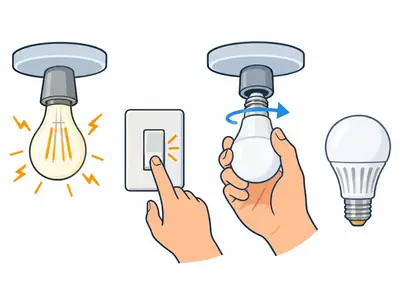 Electrical BasicsFlickering Light: Safe Fixes and When to Call an ElectricianA flickering light often has a simple cause such as a loose bulb or a bad dimmer. Check safely and know the warning signs that need an electrician.
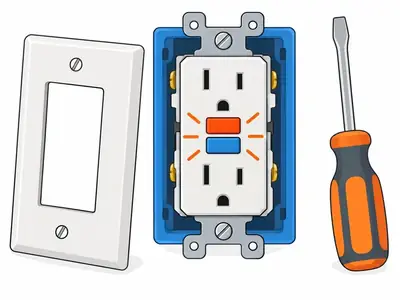 Electrical BasicsHow to Replace an Outlet: Swap a GFCI Outlet SafelyLearn how to replace an outlet with a GFCI outlet safely: turn off power at the breaker, test it, swap the wires and when to call an electrician.
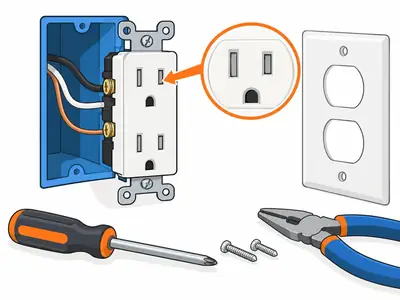 Electrical BasicsTamper-Resistant OutletsTamper-resistant outlets have built-in shutters that block objects. Learn how they work, where they are required and how to tell if your outlets have them.
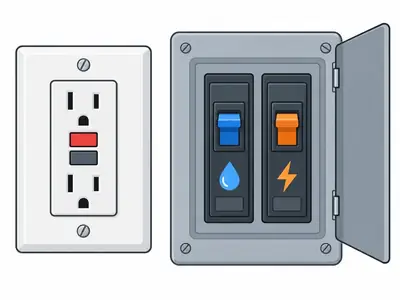 Electrical BasicsGFCI vs AFCI: What Is the Difference?GFCI vs AFCI: learn what each protects against, where they are used and how to test them. A clear guide for first-time homeowners.
 Electrical BasicsHow to Add an Outlet to a BathroomLearn how to add an outlet to a bathroom with GFCI protection, a proper box and the wiring steps, plus the parts a homeowner should not do alone.