
How to Stop Bathroom Mirror From Fogging Up
Part of: Basic plumbing
- Difficulty
- Easy
- Time
- 5 to 30 minutes, depending on the method
- Tools
- Shaving cream or bar soap, soft cloths, glass cleaner, exhaust fan or open window, microfiber towel
- Call a pro if
- You want a wired heated demister pad installed behind the mirror, since that involves electrical work best done by an electrician.
In this guide
- Power off first
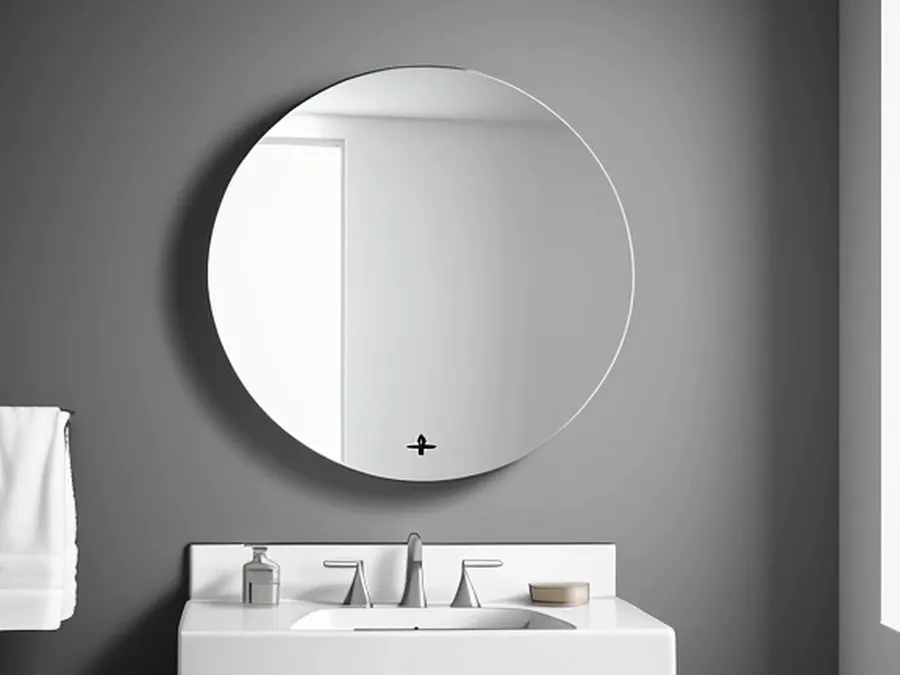
Here is how to stop bathroom mirror from fogging after every shower. The mirror fogs because warm, wet air from your shower hits a cold sheet of glass, and the moisture condenses on it. You can fight fog three ways: make the glass less attractive to condensation, warm the glass, or get the humid air out of the room. Here is how to stop a bathroom mirror from fogging, from a thirty-second trick to a permanent fix.
This guide is part of our wider guide to bathroom fixtures, tile and grout.
Method 1: The shaving cream trick
This is the classic, and it works. Spread a small dab of shaving cream, the plain white foam kind, across the dry mirror. Buff it off completely with a soft cloth until the glass is clear and streak-free. The thin residue left behind stops water droplets from beading up, so the mirror stays clear through your next few showers.
The effect fades with each cleaning and each shower, so reapply every week or two. A wipe with bar soap or a drop of dish soap, buffed the same way, works nearly as well. It is not elegant, but it costs nothing and takes a minute.
Method 2: Improve the ventilation
Fog is a humidity problem, so moving the humid air out is the real fix. Run the exhaust fan during your shower and for 15 to 20 minutes after. If you have no fan, open a window or leave the door ajar so steam can escape.
If your fan runs but the mirror still fogs fast, the fan may be weak, clogged with dust, or vented poorly. A fan that sounds tired often is. Our guide on a bathroom fan not working or very loud covers cleaning and diagnosing it, and replacing a bathroom exhaust fan walks through an upgrade.
A cooler shower also helps. The hotter the water, the more steam, so even a small turn of the handle reduces fog.
Method 3: Warm the glass
Condensation needs a cold surface, so a warm mirror does not fog. Permanent options:
- Heated demister pads: a thin electric pad that sticks to the back of the mirror and wires into the light circuit, so the mirror warms up when the light is on. This is the invisible, always-works solution in newer bathrooms, but the wiring is a job for an electrician.
- Mirrors with built-in demisters: if you are replacing the mirror anyway, models with the heating element built in skip the retrofit.
- Positioning: a mirror mounted away from the shower's direct steam path fogs far less than one opposite the showerhead.
Method 4: Quick clears for right now
Already fogged and late for work? Wipe a clear stripe with a dry microfiber towel, or give the mirror a few seconds with a hair dryer on low. Some people keep a small squeegee hanging in the bathroom for exactly this. These do not prevent fog; they just erase it fast.
What about anti-fog sprays?
Commercial anti-fog sprays work on the same principle as the shaving cream trick and last somewhat longer per application. They are worth it if the fog annoys you daily but you do not want to touch wiring. Apply to a clean, dry mirror and buff well, or the glass ends up streaky.
Common mistakes
- Leaving shaving cream streaks by under-buffing, which looks worse than fog.
- Cleaning the mirror with an oily or waxy glass cleaner afterward, which strips the anti-fog layer you just applied.
- Running the fan only during the shower. Most moisture hangs in the air afterward, so let the fan run.
- Ignoring a fog problem that also fogs windows and walls. Whole-room condensation points to ventilation trouble worth solving for the room, not just the mirror. Our guide on stopping window condensation covers the broader issue.
Related guides
- How to Keep Shower Grout From Getting Moldy
- How to Clean a Bathroom Exhaust Fan to Restore Its Airflow
- How to Fix a Bathroom Fan That Does Not Clear Steam
- How to Paint a Bathroom Vanity So It Survives the Steam
- How to Remove Mold from a Bathroom Ceiling
- Slow Bathroom Sink Drain: How to Fix It
FAQ
Does the shaving cream trick damage the mirror?
No. Buffed off properly, it leaves no residue you can see and does not harm the glass or its backing. Avoid getting any product on the mirror's edges, where moisture and cleaners can creep behind the silvering.
How long does one application last?
Typically a few showers to a couple of weeks, depending on how steamy the room gets and how often the mirror is cleaned.
Is a demister pad expensive to run?
It draws about as much power as a light bulb and only runs when the mirror light is on, so the cost is negligible.
More from this topic
- Toilet Tank Sweating: How to Stop Condensation: Toilet tank sweating and dripping on the floor? Learn why condensation forms, quick fixes like a tank liner...
- How to Stop Condensation on Bathroom Walls: Learn how to stop condensation on bathroom walls: improve extraction, keep the room warm, wipe and dry...
- How to Fix a Bathroom Mirror Cabinet: Learn how to fix a bathroom mirror cabinet: rehang it level, adjust the hinges, fix a door that will not stay...
- How to Replace a Bathroom Exhaust Fan: Learn how to replace a bathroom exhaust fan from below. Measure the housing, turn off power, swap the old...
- Shower Curtain Rod Keeps Falling? How to Fix It for Good: Shower curtain rod keeps falling? Set tension correctly, add grip on slick tile, or switch to a mounted rod...
 BathroomToilet Tank Sweating: How to Stop CondensationToilet tank sweating and dripping on the floor? Learn why condensation forms, quick fixes like a tank liner and a mixing valve, and when to look for a leak.
 BathroomHow to Stop Condensation on Bathroom WallsLearn how to stop condensation on bathroom walls: improve extraction, keep the room warm, wipe and dry surfaces, and fix the cold spots that collect water.
 BathroomHow to Fix a Bathroom Mirror CabinetLearn how to fix a bathroom mirror cabinet: rehang it level, adjust the hinges, fix a door that will not stay shut and stop the mirror from fogging up again.
 BathroomHow to Replace a Bathroom Exhaust FanLearn how to replace a bathroom exhaust fan from below. Measure the housing, turn off power, swap the old unit and seal the duct well.
 BathroomShower Curtain Rod Keeps Falling? How to Fix It for GoodShower curtain rod keeps falling? Set tension correctly, add grip on slick tile, or switch to a mounted rod for a lasting fix. Steps and safety tips included.