
How to Test a Circuit Breaker With a Multimeter
Part of: Electrical safety
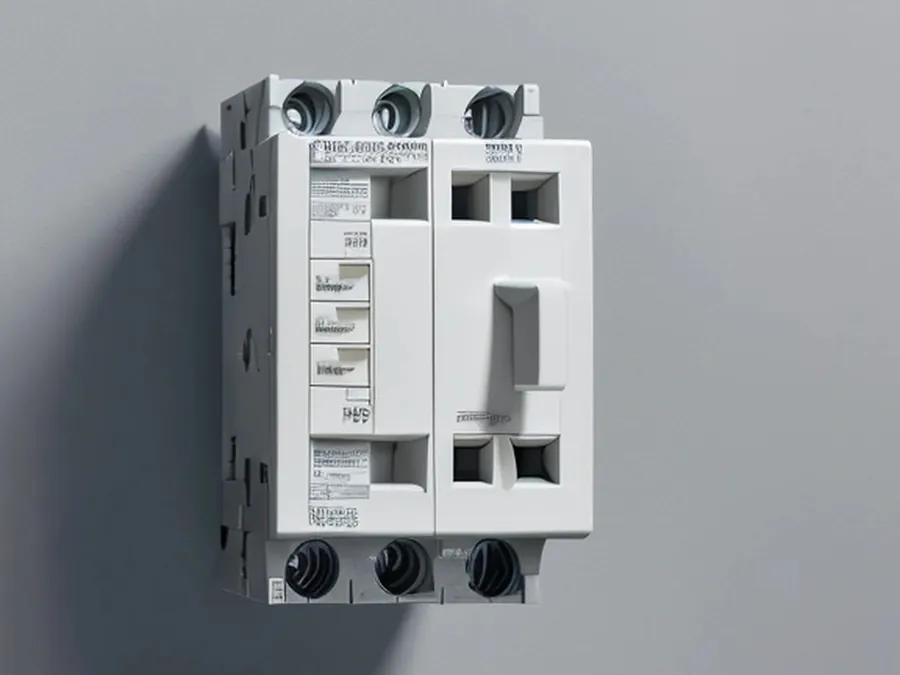
- Difficulty
- Medium
- Time
- About 15 minutes
- Tools
- A multimeter, a flashlight, and insulated screwdriver if the cover must come off
- Call a pro if
- You are not comfortable working inside the panel, you see scorch marks or smell burning, or the main breaker is involved; call an electrician.
In this guide
- Power off first
A breaker that keeps tripping is usually doing its job, but sometimes the breaker itself wears out. A quick multimeter test tells you whether the breaker passes power like it should. Here is how to test a circuit breaker safely.
1. Know what a tripped breaker looks like
1. A tripped breaker usually sits between on and off, or shows a red indicator.
2. Some breakers look almost on but have lost their internal latch.
3. Press the breaker fully to off first, then back to on to reset it.
4. A breaker that immediately trips again is signaling a real fault, not a bad breaker yet.
2. Test the outlet side first
1. Check whether outlets or lights on the circuit have power.
2. A simple outlet tester or lamp confirms a dead circuit.
3. Note what stopped working; everything dead points to the breaker, one outlet points elsewhere.
4. This narrows the problem before you open the panel.
3. Open the panel safely
1. Turn the panel cover screws with an insulated screwdriver.
2. Remove the cover and set it aside without touching the inside.
3. The big cables and lugs at the top or bottom stay live at all times.
4. Keep a flashlight handy so you never reach where you cannot see.
4. Set up the multimeter
1. Set the meter to AC voltage, in the range above 240 volts.
2. Confirm the leads are in the correct ports for voltage testing.
3. Test the meter on a known live source to prove it works.
4. A meter on the wrong setting gives you false confidence.
5. Test the breaker
1. Touch one probe to the breaker's terminal screw, where the circuit wire connects.
2. Touch the other probe to the neutral bar or a ground point.
3. A healthy breaker reads around 120 volts with the breaker on.
4. Zero volts with the breaker on means the breaker has failed internally.
6. Interpret the results
1. Power at the terminal but dead outlets: the problem is in the circuit wiring, not the breaker.
2. No power at the terminal with the breaker on: the breaker is bad and needs replacing.
3. A breaker that trips instantly on reset: a short or overload on the circuit, not the breaker.
4. Burn marks, a burnt smell or heat at the breaker: replace it and have the panel checked.
7. Replace or call a pro
1. Swapping a breaker is simple in principle, but it is work inside a live panel.
2. If you are comfortable and the panel allows it, match the exact breaker type and rating.
3. If anything looks corroded, burned or unfamiliar, that is electrician territory.
4. When in doubt, the cost of a service call beats a mistake inside the panel.
Common mistakes
- Resetting a tripping breaker over and over, which can mask a dangerous fault.
- Assuming a dead circuit means a bad breaker, when a tripped GFCI or loose wire is often the cause.
- Working in the panel with both hands, which creates a path for current through your chest.
- Replacing a breaker with the wrong type or amperage, which defeats the protection it provides.
FAQ
How do I know if a circuit breaker is bad?
With the breaker on, a multimeter should read about 120 volts at its terminal. No voltage with the breaker on means it has failed internally and needs replacement.
Why does my breaker keep tripping?
Usually an overloaded circuit, a short, or a failing appliance, not a bad breaker. Unplug everything on the circuit, reset, and add devices back one at a time to find the cause.
Can I replace a circuit breaker myself?
It is possible but involves working inside a live panel. If you are not experienced with electrical panels, hire a licensed electrician; it is a fast, inexpensive job for a pro.
What is the difference between a tripped breaker and a bad breaker?
A tripped breaker resets and holds once the fault is cleared. A bad breaker either will not reset, trips with no load, or shows no voltage at its terminal while switched on.
Related guides
- How to Find Your Electrical Panel and Label Breakers: How to find your electrical panel and label breakers in a new home. Safe steps with a helper, a radio or...
- How to Map Your Breaker Panel in One Afternoon: Learn how to map your breaker panel: label every breaker to its rooms and outlets with a lamp, a helper and a...
- How to Prevent Overloading a Circuit: Learn how to prevent overloading a circuit by adding up the load, spreading appliances across circuits, and...
- How to Test an Outlet With a Multimeter: Learn how to test an outlet with a multimeter, what readings to expect and which safer tools to use first....
- EV Charger Installation at Home: What It Involves: EV charger installation at home explained: Level 1 vs Level 2, panel capacity, permits, and what a licensed...
 Electrical BasicsHow to Find Your Electrical Panel and Label BreakersHow to find your electrical panel and label breakers in a new home. Safe steps with a helper, a radio or tester, and a clear panel map. Know when to call a pro.Electrical BasicsHow to Map Your Breaker Panel in One AfternoonLearn how to map your breaker panel: label every breaker to its rooms and outlets with a lamp, a helper and a circuit directory you will actually use.Electrical BasicsHow to Prevent Overloading a CircuitLearn how to prevent overloading a circuit by adding up the load, spreading appliances across circuits, and reading the warning signs early.
 Electrical BasicsHow to Test an Outlet With a MultimeterLearn how to test an outlet with a multimeter, what readings to expect and which safer tools to use first. Safety rules and when to call an electrician.Electrical BasicsEV Charger Installation at Home: What It InvolvesEV charger installation at home explained: Level 1 vs Level 2, panel capacity, permits, and what a licensed electrician does.