
How to Winterize a Sprinkler System
Part of: Basic plumbing
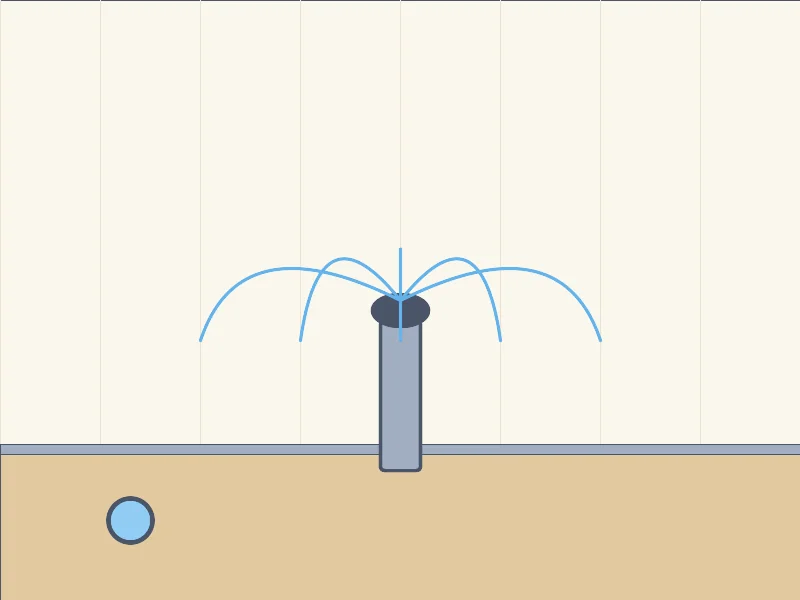
- Difficulty
- Moderate
- Time
- 1 to 2 hours
- Tools
- Air compressor with regulator, quick-connect fittings, insulated cover, wrenches, gloves, eye protection
- Call a pro if
- You do not have a compressor sized for the system, or the backflow assembly needs testing, since the wrong air pressure destroys valves and pipe.
In this guide
- Wear protection
Water left in irrigation lines freezes, expands and splits pipe, valves and the backflow assembly. Winterizing takes an hour and saves a spring repair bill. Here is how to winterize a sprinkler system.
1. Time it right
1. Winterize before the first hard freeze, not after.
2. Watch the forecast; a light frost is the signal.
3. Stop watering a week before so the soil is not saturated.
4. Do the work on a dry day.
5. Note the date for next year.
2. Shut off the water supply
1. Close the isolation valve inside the house.
2. Open the drain valve on the supply line if there is one.
3. Shut off the controller so the system does not try to run.
4. Remove the controller from the wall if it is not needed over winter, or leave it in the off position.
5. Label the valve so nobody opens it by accident.
3. Protect the backflow preventer
1. Insulate the assembly with a cover rated for your climate.
2. Some models must be drained or removed; check the maker's instructions.
3. Never leave water trapped in the assembly.
4. Check for leaks before you cover it.
5. If local rules require annual testing, do it before winter.
4. Drain what drains by gravity
1. Open the manual drain valves at the low points of each zone.
2. Let the water run out.
3. Open the test cocks on the backflow assembly.
4. Close the drains once they stop running.
5. This alone protects simple systems in mild climates.
5. Blow out with air
1. Connect the compressor to the blowout port with the right fitting.
2. Set the regulator to the pressure the maker specifies, usually well under 80 psi.
3. Open one zone at a time from the controller.
4. Run each zone until only a fine mist comes out, then stop.
5. Never run a zone dry for long; the air heats the valves.
6. Work zone by zone
1. Start with the zone closest to the compressor.
2. Cycle each valve manually or from the controller.
3. Watch each head pop up and then blow clear.
4. Close the valve before moving to the next zone.
5. Return to any zone that still spits water.
7. Finish the blowout
1. Shut the compressor off.
2. Open the manual drains again briefly.
3. Disconnect the compressor and cap the port.
4. Close the controller and unplug it.
5. Cover the backflow assembly.
8. Check the details
- Remove hoses from spigots.
- Drain hose reels and drip lines.
- Store the compressor fittings where you can find them.
- Photograph the valve layout for spring.
9. Start up safely in spring
1. Open the supply valve slowly.
2. Run each zone and check for broken heads.
3. Look for geysers, which mean a cracked line.
4. Reset the controller and the watering schedule.
5. Check the backflow assembly for leaks.
Common mistakes
- Blowing out at full compressor pressure.
- Running a zone dry for minutes at a time.
- Forgetting the backflow assembly.
- Leaving the controller on so a zone tries to run.
- Winterizing after the first freeze.
FAQ
Do I have to blow out sprinkler lines?
In freezing climates, yes. Gravity draining alone leaves water in low spots.
What pressure should I use for a blowout?
Whatever the system maker specifies, usually well below 80 psi. Never use full tank pressure.
Can I winterize a sprinkler system myself?
Yes with the right compressor and fittings. Hire it out if you do not have them.
When should I winterize?
Before the first hard freeze, when you stop watering for the season.
Related guides
- How to Drain Your Plumbing System Completely: How to drain your plumbing system: shut the main, open every fixture top to bottom and empty the lines for...
- How to Fix a Whistling Faucet: How to fix a whistling faucet: track the whistle to the washer, cartridge or aerator and silence it in under...
- How to Remove a Stuck Faucet Handle: How to remove a stuck faucet handle: free the set screw, beat the corrosion and pull the handle without...
- Septic Tank Maintenance: What a Homeowner Can Do: Septic tank maintenance explained: how the system works, what to do yourself, how often to pump and inspect,...
- Sump Pump Runs Constantly: What It Means: Sump pump runs constantly? It is usually a stuck float, a failed check valve or more water than it can...
 PlumbingHow to Drain Your Plumbing System CompletelyHow to drain your plumbing system: shut the main, open every fixture top to bottom and empty the lines for repairs or winter.
 PlumbingHow to Fix a Whistling FaucetHow to fix a whistling faucet: track the whistle to the washer, cartridge or aerator and silence it in under an hour.
 PlumbingHow to Remove a Stuck Faucet HandleHow to remove a stuck faucet handle: free the set screw, beat the corrosion and pull the handle without breaking the faucet.
 PlumbingSeptic Tank Maintenance: What a Homeowner Can DoSeptic tank maintenance explained: how the system works, what to do yourself, how often to pump and inspect, and when to call a pro.
 PlumbingSump Pump Runs Constantly: What It MeansSump pump runs constantly? It is usually a stuck float, a failed check valve or more water than it can handle. How to tell and what to do.