
Tools, Costs and Your First Home: What to Expect
Part of: Tools and everyday fixes · Also in: The Complete Guide to First Home Essentials and Basic Tools
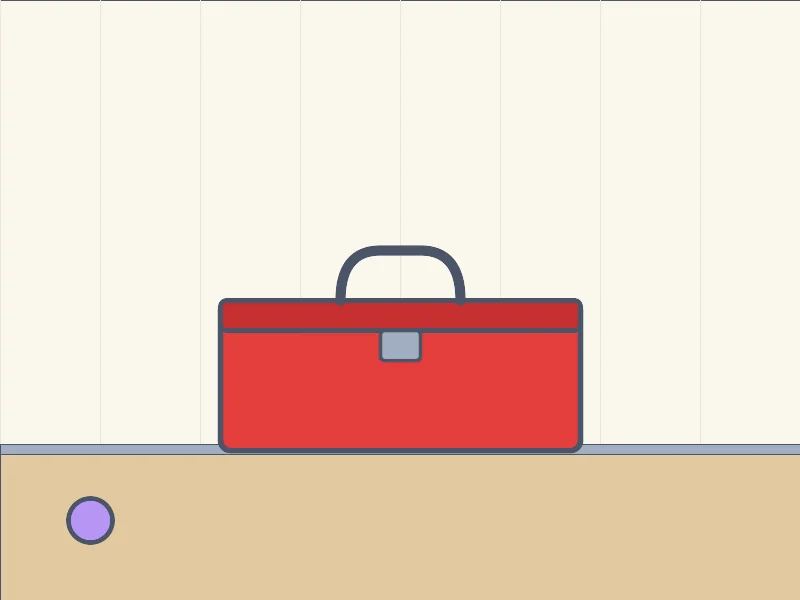
- Difficulty
- Easy
- Time
- Varies
- Tools
- Starter tool kit, drill, level, tape measure, stud finder, multimeter
- Call a pro if
- The job involves gas, the electrical panel, structural work, or anything the local code requires a licensed trade to sign off.
In this guide
- Power off first
- Gas safety
- Ladder safety
- Wear protection
This guide covers tools and costs for your first home, plus the first repairs worth doing. Most home repair decisions come down to three questions: do I have the tool, is this a job I should do, and what will it cost if I get it wrong. Getting those three right saves more money than any single repair. This page is the practical version: what belongs in a starter kit, when renting beats buying, how repair pricing actually works, and what to do in the first month of a new home.
Tools worth owning
A first kit does not need to be big. A tape measure, a hammer, a set of screwdrivers, an adjustable wrench, pliers, a utility knife, a level, a drill and a stud finder cover most of what a house asks for in the first year. Add a multimeter when you start touching outlets, and a wet-dry vac when you start touching water.
The drill is the one tool worth spending on. A cheap cordless drill with a weak clutch and one battery will frustrate every job it touches. The comparison of homeowner drill kits covers what actually matters: battery platform, chuck, torque and what comes in the box. An impact driver is a separate tool and not a replacement for a drill.
Buying a specialist tool you will use once is usually a mistake. Tool rental is cheap for tile saws, floor sanders and augers, and it puts the maintenance on someone else. A stud finder, a laser level and a voltage tester are the small tools where a cheap one causes real errors, so those are worth reading up on before buying.
DIY or call a pro
The decision is not about confidence, it is about consequence. Water, gas, electricity and structure are the four areas where a mistake is expensive, dangerous or both. A leak you caused is not covered by insurance in the same way a failed pipe is; a gas connection is never a DIY job.
Everything else is usually a question of time and finish quality. Painting, patching, caulking, hanging, assembling and cleaning are all learnable. The jobs to hand over are the ones that need a permit, a licensed trade or equipment you cannot rent locally.
Repair costs vary with access as much as with the work itself. A leak under a sink is cheap; the same leak inside a wall is not, because the cost is opening and closing the wall. Understanding what drives the price helps you judge a quote and decide what you can do yourself.
First month in a new home
Before you unpack, find five things: the main water shutoff, the electrical panel, the gas shutoff if you have gas, the filter sizes for the furnace and any water filter, and the age of the water heater. Photograph the panel labels and write the shutoff location inside a cabinet door.
Then do the checks that are cheap now: look for water damage under sinks and around the water heater, test the smoke and carbon monoxide alarms, check for pests in the basement and attic, and change the locks. Rekeying is cheaper than replacing locks and just as effective.
Deep clean before the furniture arrives, not after. Set up utilities and the laundry area early so the first week is not spent hunting for a working outlet.
Maintenance that pays
A short seasonal list beats a long annual one. Change the furnace filter, clean the dryer vent, test the alarms, clean the gutters, and check the caulk around windows and tubs. Those five jobs prevent most of the expensive repairs a house will ever need.
Track what you spend on the house for the first year. It tells you what your real maintenance budget is, and it makes the next repair decision easier.
When to stop and call a pro
Call for gas, the panel, structural work, roofing above the first story, and anything requiring a permit or a licensed sign-off. Also call when a job needs a tool you cannot rent or a second pair of hands you do not have.
FAQ
What tools should a first-time homeowner buy? A tape, hammer, screwdriver set, adjustable wrench, pliers, level, drill and stud finder. Add a multimeter and a wet-dry vac as jobs come up.
Is it cheaper to rent a tool or buy it? Rent for anything you will use once or twice, especially large equipment. Buy the tools you will use every year.
Why do repair quotes vary so much? Access, materials and labor rates. A job behind a wall costs more than the same job in the open, and quotes often differ on what they include.
What should I do first in a new house? Find the shutoffs and the panel, test the alarms, check for leaks and pests, and change the locks. Everything else can wait a week.
Related guides
- Essential Tools Every Homeowner Needs (Starter Tool Kit)
- First Time Homeowner Checklist: 15 Things to Do Right Away
- DIY vs Hiring a Pro: How to Decide for Home Repairs
- How Much Do Common Home Repairs Cost? What Affects the Price
- Cordless Drill for Homeowners: DeWalt, Milwaukee and Ryobi Kits Compared
More from this topic
- Kitchen Cabinets, Countertops and Storage: Fix and Organize: Kitchen cabinets: cabinet doors that sag or will not close, drawers that stick, chipped laminate, a wobbly...
- Lights, Ceiling Fans and Fixtures: Fixes and Safe Swaps: Ceiling fans: a light that flickers, a bulb stuck in the socket, a ceiling fan that wobbles or a doorbell...
- Home Repair Tool Rental vs Buy for First-Time Owners: Home repair tool rental vs buy for first-time owners: a simple way to decide by how often you will use it,...
- Gutters, Drainage and Water Around the House: Gutters: clogged or sagging gutters, downspouts that dump water at the foundation, a dripping outdoor faucet...
- Heating, Cooling and Air Quality: Checks Before Service: Air quality: an AC that will not cool, a radiator that stays cold, a thermostat that is dead, drafts, attic...
 KitchenKitchen Cabinets, Countertops and Storage: Fix and OrganizeKitchen cabinets: cabinet doors that sag or will not close, drawers that stick, chipped laminate, a wobbly faucet or a kitchen that has run out of storage.
 Electrical BasicsLights, Ceiling Fans and Fixtures: Fixes and Safe SwapsCeiling fans: a light that flickers, a bulb stuck in the socket, a ceiling fan that wobbles or a doorbell that has gone silent. Steps and safety tips included.
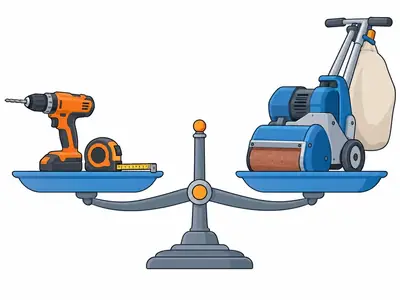 Tools and BasicsHome Repair Tool Rental vs Buy for First-Time OwnersHome repair tool rental vs buy for first-time owners: a simple way to decide by how often you will use it, storage and safety. Includes a quick checklist.
 Garage and OutdoorsGutters, Drainage and Water Around the HouseGutters: clogged or sagging gutters, downspouts that dump water at the foundation, a dripping outdoor faucet or a sprinkler that will not pop up.Heating and CoolingHeating, Cooling and Air Quality: Checks Before ServiceAir quality: an AC that will not cool, a radiator that stays cold, a thermostat that is dead, drafts, attic insulation and humidity.