
Transfer Switch for a Generator: Safety and Setup
Part of: Electrical safety
- Difficulty
- Licensed electrician required
- Time
- Varies by job
- Tools
- See the steps
- Call a pro if
- All of this job is pro work: the transfer switch, the subpanel, the inlet, the breaker and the grounding.
In this guide
- Understand what backfeeding is
- Know what the switch does
- Choose manual or automatic
- Decide whole-house or critical loads
- Size the switch and generator together
- Get the inlet, cord and connector right
- Site the switch and the inlet
- Pull the permit
- Hire a licensed electrician
- Prepare the house before the install
- Know what the installation involves
- Test it before the first outage
- Run it safely and maintain it
- When to call a pro
- Related guides
- FAQ
- Sources
- Power off first
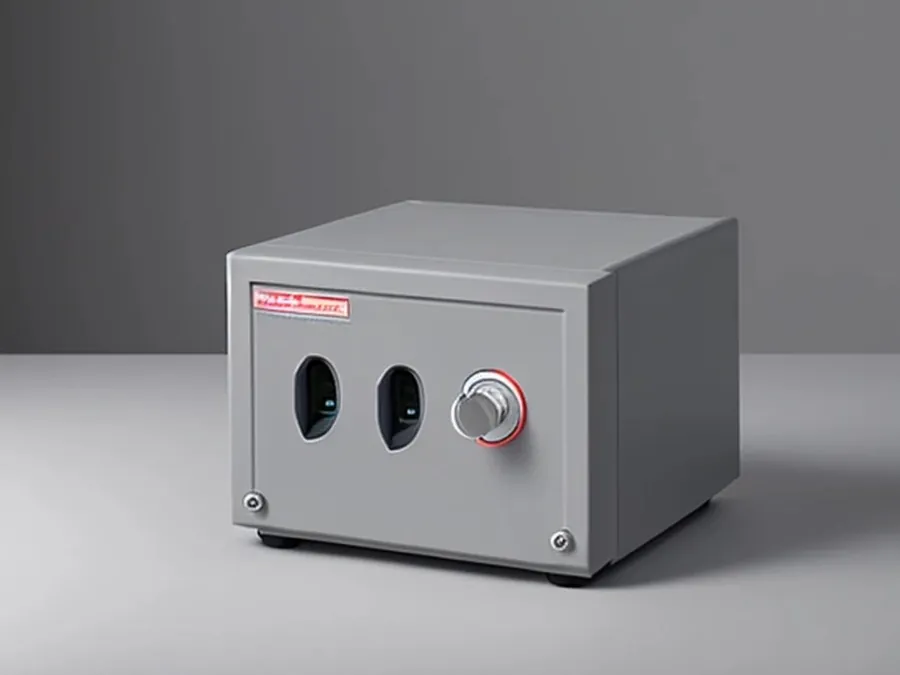
A transfer switch is the equipment that lets a generator power your house without sending electricity back up the utility line. Without one, the only way to power house wiring from a portable generator is to feed an outlet or a panel with a cord, which is called backfeeding, and it can electrocute a line worker or a neighbor on the same transformer. This guide explains what the switch does, how it is sized, and where the work becomes a licensed electrician's job.
1. Understand what backfeeding is
Backfeeding means pushing generator power into house wiring through an outlet or a breaker instead of a transfer switch. It works, which is what makes it tempting, and it is dangerous in three ways: it can energize lines the utility thinks are dead, so a line worker or a neighbor on the same transformer can be electrocuted; it bypasses some household circuit protection; and when utility power returns, the two sources fight and the generator is destroyed. The Consumer Product Safety Commission warns against it outright.
2. Know what the switch does
A transfer switch disconnects the utility feed before it connects the generator feed. The two sources can never be connected at once. The National Electrical Code covers this under Article 702, which requires transfer equipment that prevents the normal and standby supplies from being interconnected. Some setups use a switch beside the panel; others use a listed breaker interlock that makes it impossible to have the main and generator breakers on together.
3. Choose manual or automatic
A manual switch suits a portable generator: wheel the unit out, plug it into an inlet, start it, flip the switch by hand. An automatic transfer switch belongs to a permanently installed standby generator, which senses the outage, starts the engine and transfers the load itself. Automatic systems need a fuel supply, a pad and a lot more permitting, so for most portable setups a manual switch on a critical-load subpanel is the practical answer.
4. Decide whole-house or critical loads
A whole-house setup runs everything, but only if the generator can carry everything, including motor starting surges. The usual approach is a subpanel carrying a chosen list: furnace, refrigerator, a few lights, the router, the garage door, the sump pump. Choose the circuits before the electrician arrives, because the panel layout follows that list.
5. Size the switch and generator together
Sizing starts with running watts, then adds the surge for anything with a motor. Add the running load of the circuits you want, then check the largest motor surge against the generator's surge rating. The switch itself must be rated at least as large as the circuit feeding it. Oversizing the switch is harmless; undersizing it is a fire risk.
6. Get the inlet, cord and connector right
The inlet is the outdoor box the generator plugs into. It is a male inlet, so the live pins are recessed and the cord end is female. Match the inlet to the generator's outlet and the cord rating, and use one cord made for the job, rated for the full current. A double-male cord, sometimes called a suicide cord, has no place here.
7. Site the switch and the inlet
The switch goes close to the panel so the run is short. The inlet goes on an exterior wall near where the generator will sit, high enough to stay out of snow and splash, with a cover. The generator stays outdoors, at least 20 feet from the house as CPSC advises, with the exhaust pointing away from doors, windows and vents. Plan the cord route so it crosses no doorway, walkway or driveway.
8. Pull the permit
An electrical permit is required for this work in most jurisdictions, and the inspection is the check that the transfer equipment actually prevents interconnection. The application usually needs the panel details, the switch model, the generator rating and a sketch of the circuits.
9. Hire a licensed electrician
Panel work, transfer equipment, grounding and bonding are licensed work. Ask for the license number, confirm it, and ask whether the electrician has installed transfer switches on your type of panel. Get a written quote naming the switch, the inlet, the wire size, the number of circuits, the permit and the inspection. If the electrician proposes a breaker interlock instead of a switch, confirm the kit is listed for your panel model; a homemade interlock is not acceptable.
10. Prepare the house before the install
Write down the circuits you want on the backup panel and check them against the panel directory. Label every breaker you are keeping and every one you are dropping, because the electrician needs that list and so will you at 2 a.m. during an outage. Clear the work area and plan for a few hours without power during the changeover.
11. Know what the installation involves
Expect a new breaker in the main panel, the transfer switch or subpanel beside it, a conduit run to the exterior inlet, and a set of circuits moved into the backup panel. The electrician bonds and grounds the system correctly for your generator type, since some generators are separately derived sources and some are not.
12. Test it before the first outage
Test on a mild afternoon, not during a storm. Start the generator outdoors, let it warm up, plug in the cord, flip the transfer switch, and confirm the chosen circuits come on and the main breaker is off. Then reverse it: switch back to utility, shut the generator down, and confirm the house is back on grid power. Do this once a year and before every heating season.
13. Run it safely and maintain it
During an outage, keep the generator outdoors, keep the cord out of standing water, and never refuel a hot generator. Watch for headache, dizziness or nausea, which are carbon monoxide symptoms, and get everyone outside if they appear. After each use, check the cord and inlet for heat damage or bent pins, and change the generator oil on schedule. If the transfer switch feels hot or buzzes, stop using it and call the electrician.
When to call a pro
All of this job is pro work: the transfer switch, the subpanel, the inlet, the breaker and the grounding. Call a licensed electrician for the install, for any change to the circuit list, and for a switch that hums, feels hot or fails to transfer. Call the utility before any work near the meter or the service conductors. If you smell gas at a standby generator or its fuel line, leave and call the gas utility from outside. A generator that will not start, surges or stalls under load is a service call.
Related guides
- Three-Way Switch Not Working: How to Find the Problem
- Light Switch Hot or Buzzing: What It Means
- Replace Outlet Cover Plate (and Switch Plates)
- How to Replace a Light Switch Safely in 20 Minutes
FAQ
Can I just plug my generator into a wall outlet?
No. That is backfeeding, and it can electrocute a utility worker or a neighbor on the same transformer, bypass household circuit protection and destroy the generator when power returns.
Do I need a transfer switch for a portable generator?
If you want to power house wiring, yes. A licensed electrician installs either a transfer switch or a listed breaker interlock so the generator and the utility can never be connected at once.
Can I install a transfer switch myself?
Not legally in most US jurisdictions, and not safely anywhere. It involves the service panel, the grounding system and a permit inspection. This is licensed electrician work.
What size transfer switch do I need?
At least as large as the circuit feeding it, matched to the generator's output and the load you plan to carry. The electrician sizes it from a load list that includes motor starting surges.
Sources
- US Consumer Product Safety Commission, Portable Generator Safety Alert, backfeeding and carbon monoxide: https://www.cpsc.gov/s3fs-public/Portable-Generator-Safety-Alert-2017_5123.pdf
- National Electrical Code, Article 702, optional standby systems and transfer equipment that prevents interconnection of the normal and standby supplies.
- Ready.gov, Power Outages: https://www.ready.gov/power-outages
- US Consumer Product Safety Commission, Carbon Monoxide Information Center: https://www.cpsc.gov/Safety-Education/Safety-Education-Centers/Carbon-Monoxide-Information-Center
More from this topic
- Flickering Light: Safe Fixes and When to Call an Electrician: A flickering light often has a simple cause such as a loose bulb or a bad dimmer. Check safely and know the...
- Occupancy Sensor Switch: How to Install One Safely: Want lights that turn on when you enter? Install an occupancy sensor switch safely: check the wiring, neutral...
- Replace Outlet Cover Plate (and Switch Plates): Cracked, yellowed or missing plate? Replace outlet cover plate parts safely, match the style and deal with...
- Light Switch Hot or Buzzing: What It Means: Light switch hot or buzzing? Learn common causes like dimmer load or loose wires, which steps are safe, and...
- Breaker Will Not Reset: What to Do: Breaker will not reset? Unplug devices, flip it fully off then on and learn what a repeat trip means. Safe...
 Electrical BasicsFlickering Light: Safe Fixes and When to Call an ElectricianA flickering light often has a simple cause such as a loose bulb or a bad dimmer. Check safely and know the warning signs that need an electrician.Electrical BasicsOccupancy Sensor Switch: How to Install One SafelyWant lights that turn on when you enter? Install an occupancy sensor switch safely: check the wiring, neutral wire need and set the timer.
 Electrical BasicsReplace Outlet Cover Plate (and Switch Plates)Cracked, yellowed or missing plate? Replace outlet cover plate parts safely, match the style and deal with gaps in the wall. Steps and safety tips included.
 Electrical BasicsLight Switch Hot or Buzzing: What It MeansLight switch hot or buzzing? Learn common causes like dimmer load or loose wires, which steps are safe, and when to call an electrician.
 Electrical BasicsBreaker Will Not Reset: What to DoBreaker will not reset? Unplug devices, flip it fully off then on and learn what a repeat trip means. Safe steps and when to call an electrician.