
How to Apply Window Insulation Film for a Warmer Winter Home
Part of: Heating and cooling
- Difficulty
- Easy
- Time
- 20 to 40 minutes per window
- Tools
- Window insulation kit with film and double sided tape, hair dryer, scissors, tape measure, rubbing alcohol, clean cloth
- Call a pro if
- The window frame is rotted, glass is cracked, the window must open for emergency escape, or you see mold around the frame.
In this guide
Old windows leak heat, and glass is a cold surface in winter. A clear plastic layer over the window makes an air pocket that helps hold warmth in the room. The job is cheap and does not harm the frame. Here is how to apply window insulation film in a few simple steps.
What the film does
The film seals the inside of the window frame and traps still air between the film and the glass. It cuts drafts and reduces the cold feeling near the glass. It will not make a leaky window as good as a new one, but it helps, and you can remove it in spring.
Before you start
Pick windows that you do not need to open in winter. The film is a seasonal cover, and removing it to open the window wastes the kit. Check each window for emergency exit needs in bedrooms. Measure the window and buy a kit that covers the size, or a roll that you cut yourself.
Do this on a day when the room is warm and dry. The tape sticks best at room temperature.
Step by step
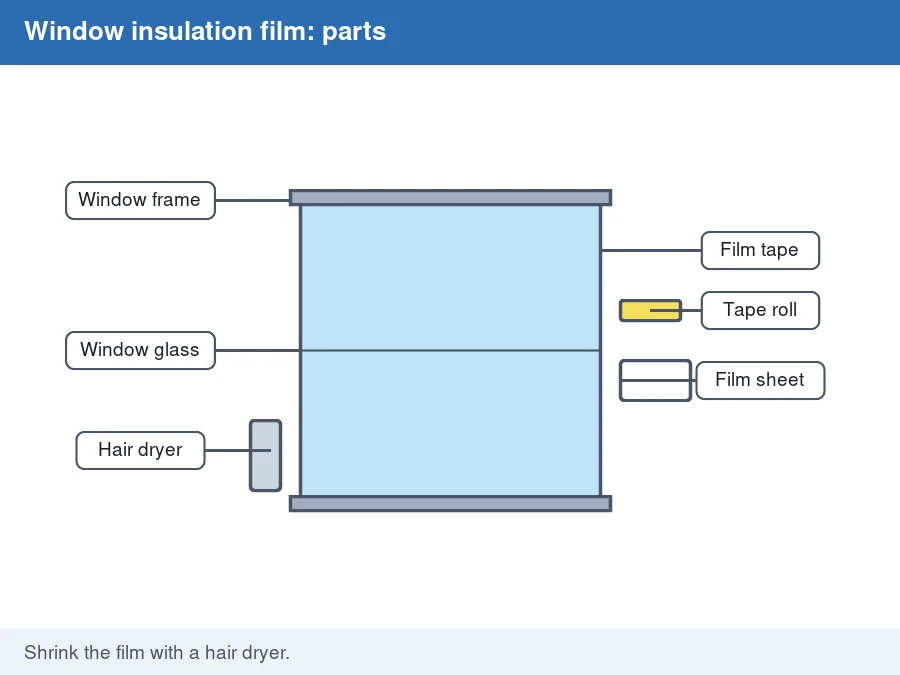
1. Clean the frame. Wash the surface where the tape will go with rubbing alcohol. Dust, grease, or soap leaves the tape weak. Let it dry fully.
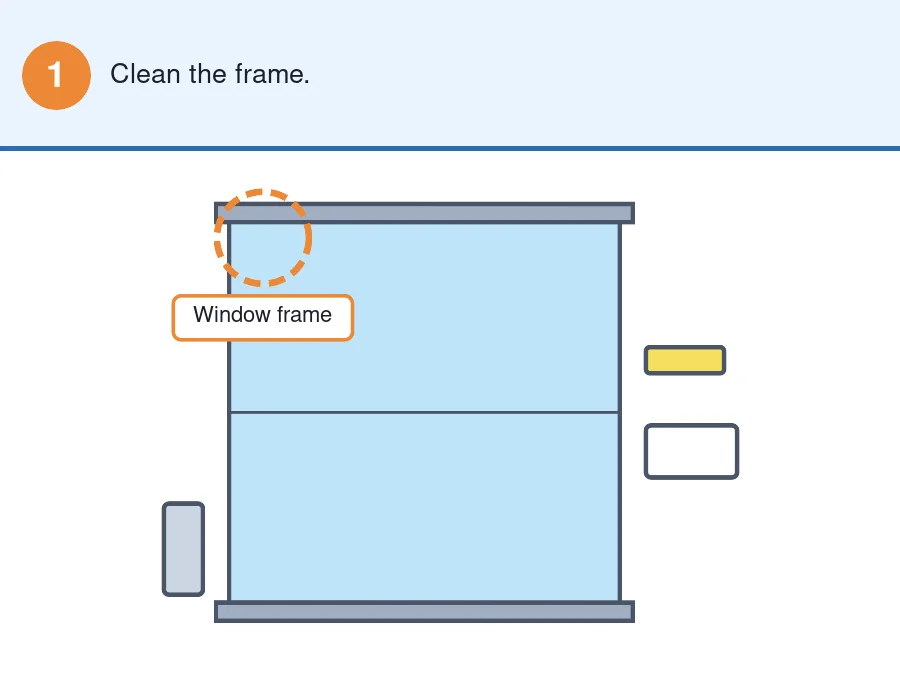
2. Fix gaps first. Seal cracks around the trim with caulk. See our guide on how to seal a drafty window.
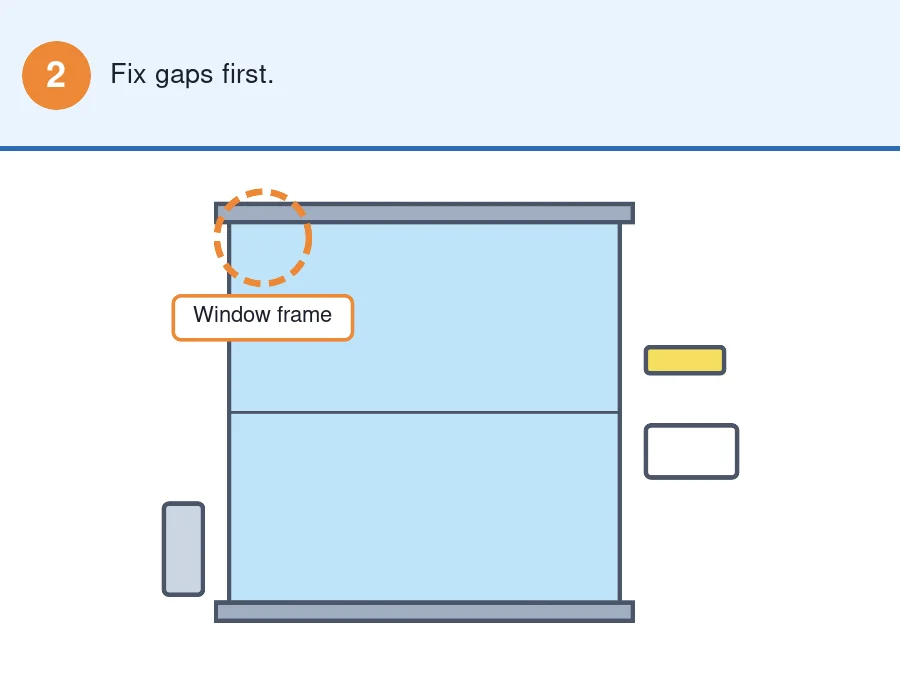
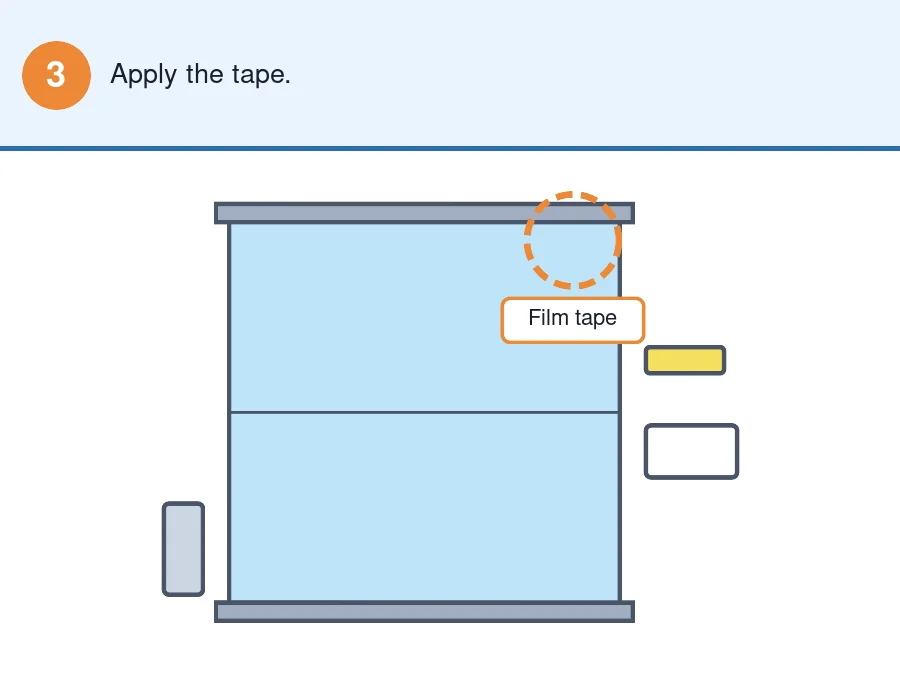
3. Apply the tape. Stick the double sided tape around the frame in one continuous strip, with the corners overlapping slightly. Leave the backing paper on the outer face for now.
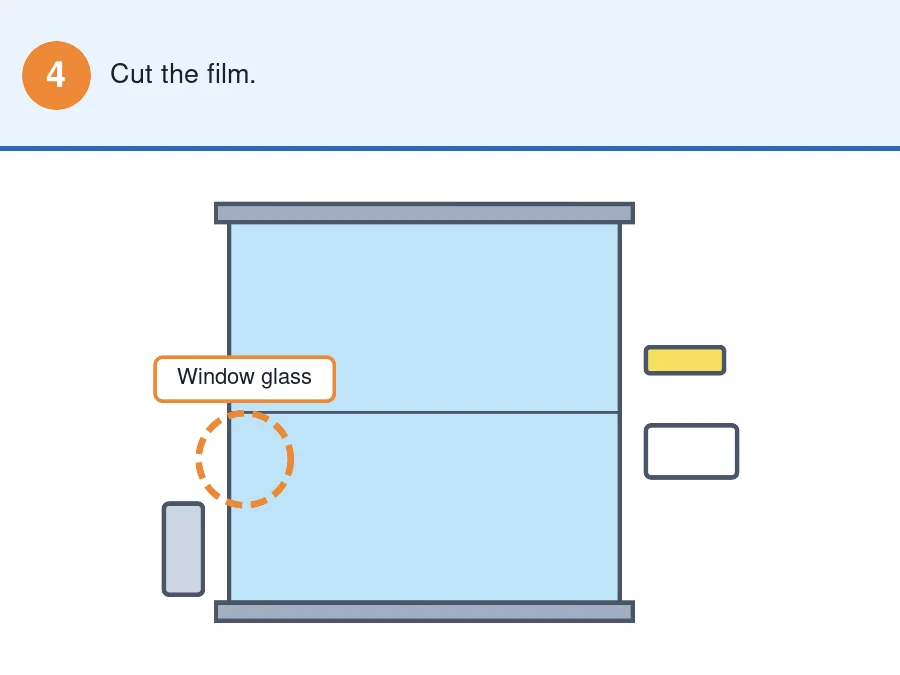
4. Cut the film. Measure the window and cut the film a couple of inches larger on each side.
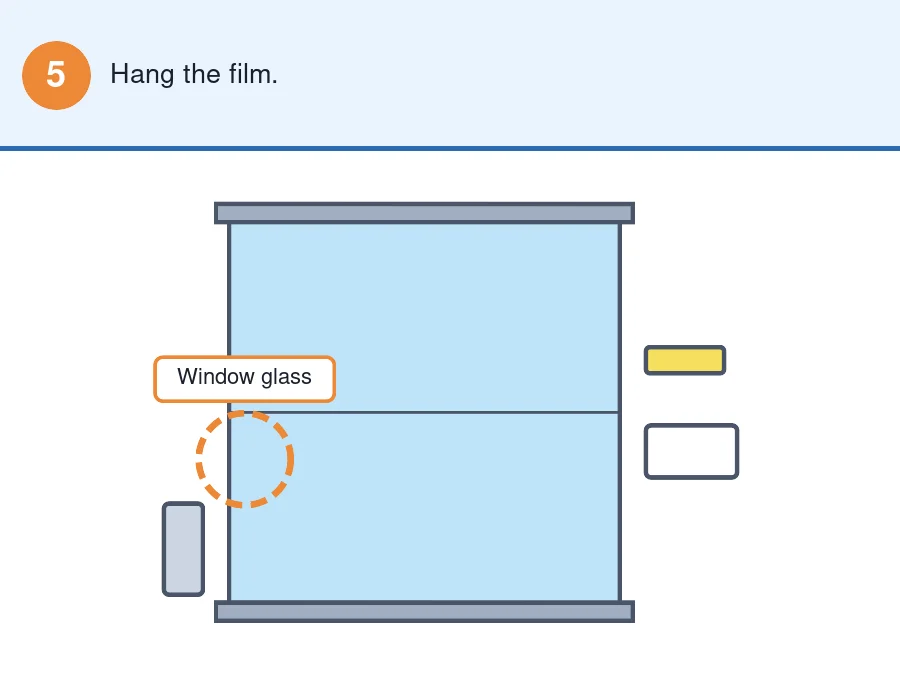
5. Hang the film. Peel the backing and press the film onto the tape. Start at the top and pull gently down. Work to the sides and the bottom. Keep it fairly tight but not stretched.
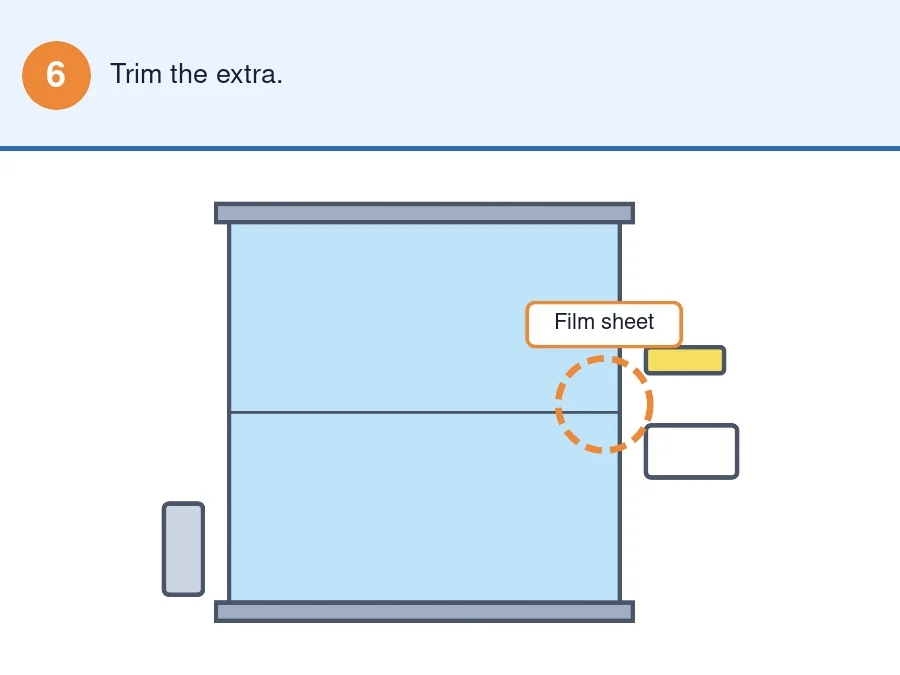
6. Trim the extra. Cut off extra film along the tape edge with scissors.
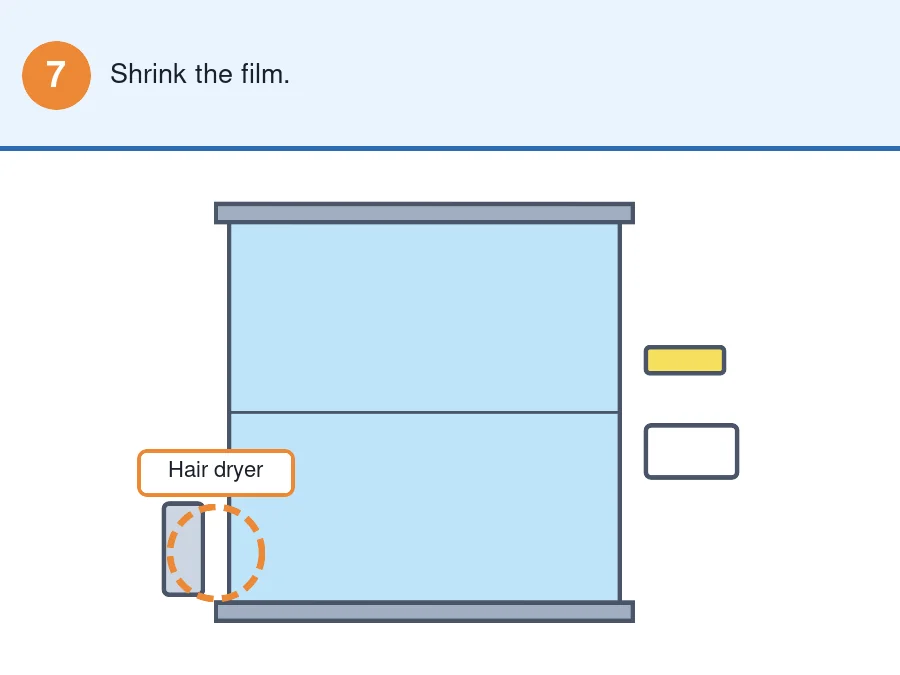
7. Shrink the film. Use a hair dryer on a medium or high setting. Hold it a few inches away and keep it moving. Wrinkles tighten and disappear. Stop when the film is smooth.
Common mistakes
- Skipping the alcohol wipe. The tape peels off.
- Heating too long in one spot. The film can get a hole.
- Placing tape on rough or freshly painted surfaces. Wait for paint to cure.
- Sealing a window with a lot of condensation. Check humidity first. See how to stop window condensation.
Condensation
A tight film can trap moisture. If you see fog or water on the inside of the film, the room air may be too humid. Use the bath fan, run a vent hood when you cook, and consider a hygrometer. Our digital hygrometer comparison can help you pick one. Most homes do well in a range of about 30 to 50 percent humidity in winter.
Removing it in spring
Peel the film from the top corner slowly. If the tape leaves residue, warm it with a hair dryer and rub with a soft cloth, then wipe with a little rubbing alcohol. Do not scrape painted wood or you can lift paint. If you plan to reuse a long roll, store it flat.
Other places it works
You can use the same method on sliding glass doors if the frame is smooth and clean. Some kits have wider tape for these larger doors. Keep the film out of reach of kids and pets so they do not pull it down.
Related guides
- How to Insulate an Interior Wall for Sound
- How to Set Ceiling Fan Direction for Each Season to Feel Comfortable
- How to Use Curtains to Save Energy in Winter and Summer
- How to Install Rigid Foam Insulation on a Basement Wall
FAQ
Does window film work on double pane windows?
It still helps with drafts at the frame, but the gain is smaller than on single pane glass.
Can I reuse the film?
Not usually. The tape and film stretch and stick once.
Will the film damage my window?
Tape made for windows is meant to peel off. Test on a corner if the paint is old.
How long does it last?
Through one winter, in most cases.
More from this topic
- How to Make a Draft Stopper for Doors and Windows: Learn how to make a draft stopper from fabric and filling, measure it, place it under doors and on sills, and...
- How to Air Seal an Attic: How to air seal an attic: find the bypasses at the ceiling plane, seal them with foam and caulk, and keep...
- How to Check Attic Insulation: Depth, Gaps and Warning Signs: Learn how to check attic insulation safely: measure the depth, look for gaps and damp spots, and decide...
- How to Set Ceiling Fan Direction for Each Season: Learn how to set ceiling fan direction for each season: counterclockwise in summer, clockwise on low in...
- How to Use Curtains to Save Energy in Winter and Summer: Learn how to use curtains to save energy: choose thermal or lined styles, hang them close to the wall, open...
 Heating and CoolingHow to Make a Draft Stopper for Doors and WindowsLearn how to make a draft stopper from fabric and filling, measure it, place it under doors and on sills, and pair it with other air sealing steps.
 Heating and CoolingHow to Air Seal an AtticHow to air seal an attic: find the bypasses at the ceiling plane, seal them with foam and caulk, and keep insulation and vents clear.
 Heating and CoolingHow to Check Attic Insulation: Depth, Gaps and Warning SignsLearn how to check attic insulation safely: measure the depth, look for gaps and damp spots, and decide whether to add more before winter or summer.
 Heating and CoolingHow to Set Ceiling Fan Direction for Each SeasonLearn how to set ceiling fan direction for each season: counterclockwise in summer, clockwise on low in winter, how to test it, and what to do if it feels off.
 Heating and CoolingHow to Use Curtains to Save Energy in Winter and SummerLearn how to use curtains to save energy: choose thermal or lined styles, hang them close to the wall, open and close them with the sun, and seal the edges.