
How to Use Curtains to Save Energy in Winter and Summer
Part of: Heating and cooling
- Difficulty
- Easy
- Time
- 30 to 90 minutes
- Tools
- Tape measure, drill or screwdriver, curtain rod and brackets, lined or thermal curtains, level, pencil, stud finder, tension clips
- Call a pro if
- Walls cannot hold the rod, windows leak badly or are rotted, or you want custom shades fitted.
In this guide
Windows lose heat in winter and gain it in summer. Curtains are one of the easiest ways to slow that. You can use curtains to save energy without special tools, and you can do it in an afternoon. Here is how to choose them, hang them, and use them through the year.
How curtains help
Glass has little resistance to heat flow. A layer of fabric adds an air pocket and blocks sunlight. In winter it keeps warm air in. In summer it keeps the sun out. The tighter the fit around the window, the better it works.
Choose the right curtain
- Thermal or insulated curtains have a backing layer that blocks air and heat.
- Lined curtains are a good middle option.
- Light colored or reflective liners help in summer.
- Cellular shades also work well and fit inside the frame.
Heavy fabric that reaches the floor does more than a short sheer curtain.
Measure and mount
1. Measure the window width and the height from the rod to the floor or sill.
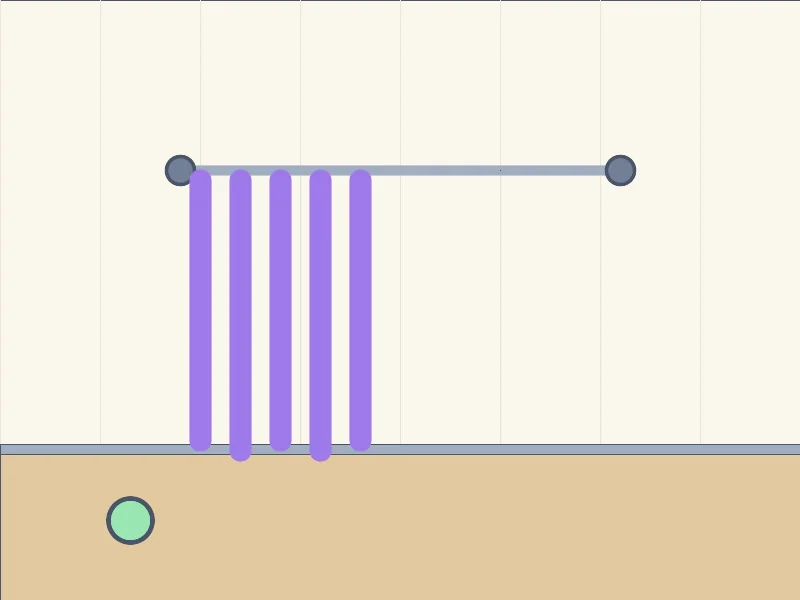
2. Mount the rod wider than the window frame, so the curtain covers the edges. Place it above the frame, close to the ceiling if you can.
3. Use a stud finder to locate studs or use anchors rated for the weight.
4. Level the rod with a level.
5. Hang the curtains so they sit close to the wall at the sides and just touch the sill or floor.
6. Add side returns or tension clips if you want to close the gaps.
How to use them
- Winter days: open on the sunny side to let sun in. Close at dusk to hold heat.
- Winter nights: keep them closed.
- Summer days: close on the sunny side before the sun hits the glass.
- Summer nights: open to let cool air in if you use night ventilation.
See how to keep your house cool in summer for more ideas.
Combine with other fixes
Curtains help, but they do not replace air sealing. Fix drafts first. See how to find air leaks in your home, how to seal a drafty window, and how to apply window insulation film. Draft stoppers add a little more. See how to make a draft stopper.
Watch for moisture
Curtains close to a cold window can trap moisture and cause condensation or mold. Open them in the day, leave a small gap at the top if needed, and run fans. See how to stop window condensation.
Keep clean
Dust and wash curtains as the care label says. Vacuum the tops and the rod. Do not hang them in a way that covers vents or radiators. Keep the heat flowing into the room. See how to clean air vents and registers.
Cords and kids
Use cordless blinds or tie cords out of reach. Check that curtain rods are secure. Keep furniture that kids can climb away from windows.
FAQ
Do curtains really save energy?
They can reduce heat loss and gain, especially when closed at the right times. Results vary.
Is it better to hang them inside or outside the frame?
Outside the frame, wider than the window, to cover the edges.
What color is best?
Light colors on the side facing the sun reflect heat. Dark colors absorb it.
Do I need special curtains?
Thermal ones work best, but any heavy lined curtain helps.
Related guides
- How to Set Ceiling Fan Direction for Each Season: Learn how to set ceiling fan direction for each season: counterclockwise in summer, clockwise on low in...
- How to Apply Window Insulation Film for a Warmer Winter Home: Learn how to apply window insulation film: clean the frame, place the tape, hang the film, shrink it with a...
- How to Read an Appliance Energy Label: Learn how to read an appliance energy label: find the yearly energy use, compare models of the same size and...
- How to Winterize Windows: How to winterize windows before the cold: find the drafts, caulk and weatherstrip the gaps, and add film or...
- How to Make a Draft Stopper for Doors and Windows: Learn how to make a draft stopper from fabric and filling, measure it, place it under doors and on sills, and...
 Heating and CoolingHow to Set Ceiling Fan Direction for Each SeasonLearn how to set ceiling fan direction for each season: counterclockwise in summer, clockwise on low in winter, how to test it, and what to do if it feels off.
 Heating and CoolingHow to Apply Window Insulation Film for a Warmer Winter HomeLearn how to apply window insulation film: clean the frame, place the tape, hang the film, shrink it with a hair dryer, and remove it cleanly in spring.
 KitchenHow to Read an Appliance Energy LabelLearn how to read an appliance energy label: find the yearly energy use, compare models of the same size and see what the numbers mean.
 SeasonalHow to Winterize WindowsHow to winterize windows before the cold: find the drafts, caulk and weatherstrip the gaps, and add film or storm panels for the winter.
 Heating and CoolingHow to Make a Draft Stopper for Doors and WindowsLearn how to make a draft stopper from fabric and filling, measure it, place it under doors and on sills, and pair it with other air sealing steps.