
How to Make a Draft Stopper for Doors and Windows
Part of: Heating and cooling
- Difficulty
- Easy
- Time
- 30 to 60 minutes
- Tools
- Fabric, sewing machine or needle and thread, scissors, tape measure, filling such as rice or dry beans or fabric scraps, funnel, safety pins, fabric glue if you do not sew
- Call a pro if
- The draft comes from a hole in the wall, a missing seal, or a door that does not close well. Fix those gaps first.
In this guide
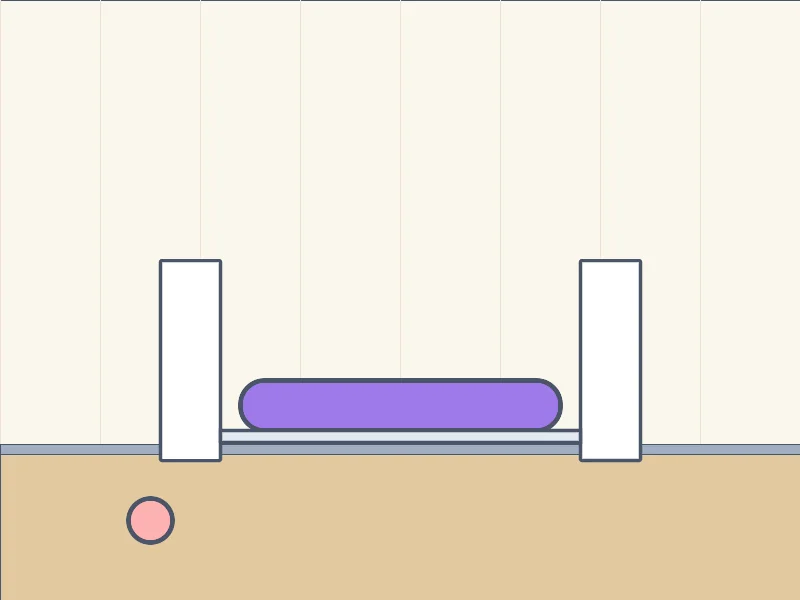
A draft stopper is a simple tube of fabric you place against the bottom of a door or window. It blocks cold air without tools or tape. You can make one in under an hour. How to make a draft stopper starts with what it does and does not do, since it blocks air at the gap under a door or along a sill and does not seal a room.
What it does and does not do
A draft stopper blocks moving air at the gap under a door or along a sill. It helps in rooms that you can close off. It does not fix big gaps or a poor seal. If you feel air all around the frame, add weatherstripping. See how to weatherstrip an exterior door and how to fix a gap under an exterior door.
Measure first
Measure the width of the door or window. Make the stopper a couple of inches longer. Pick a width of about three to four inches for a snug fit.
Pick fabric and filling
- Fabric: a sturdy cotton or canvas works well. Choose something you can wash or wipe.
- Filling: dry rice, dry beans, sand in a sealed inner bag, or fabric scraps. Heavier filling holds better.
Avoid fillings that attract pests or can spoil. Keep filling dry.
Step by step
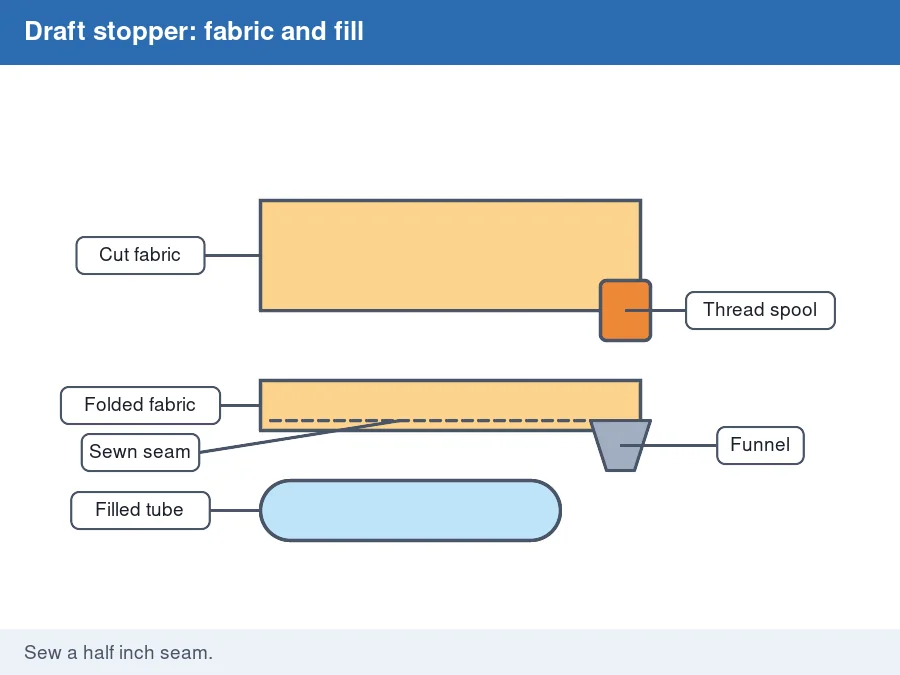
1. Cut the fabric to the length plus an inch for seams and about ten to eleven inches wide for a four inch tube.
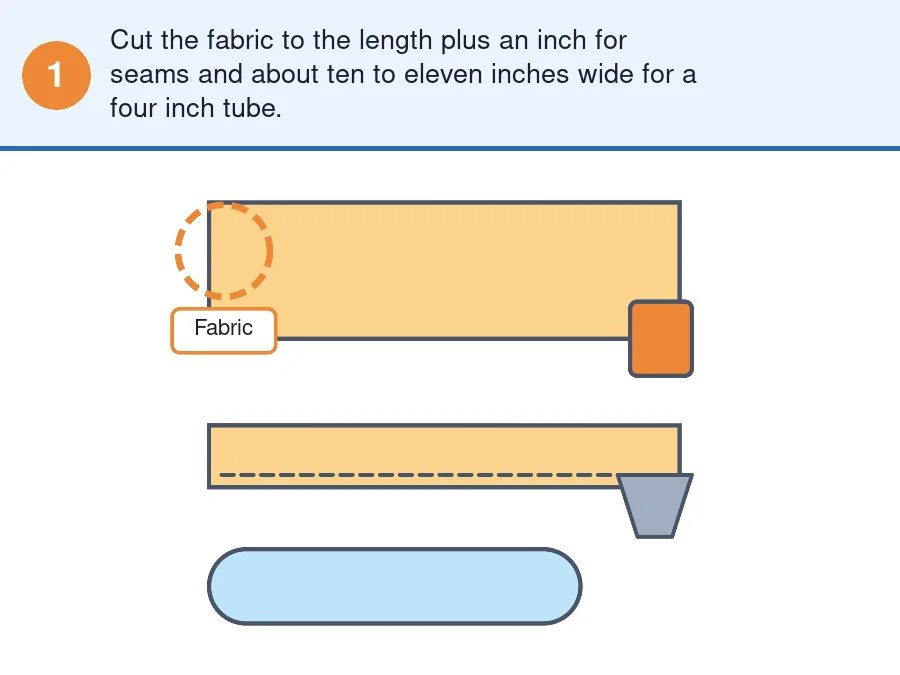
2. Fold the fabric in half lengthwise with the right sides facing in.
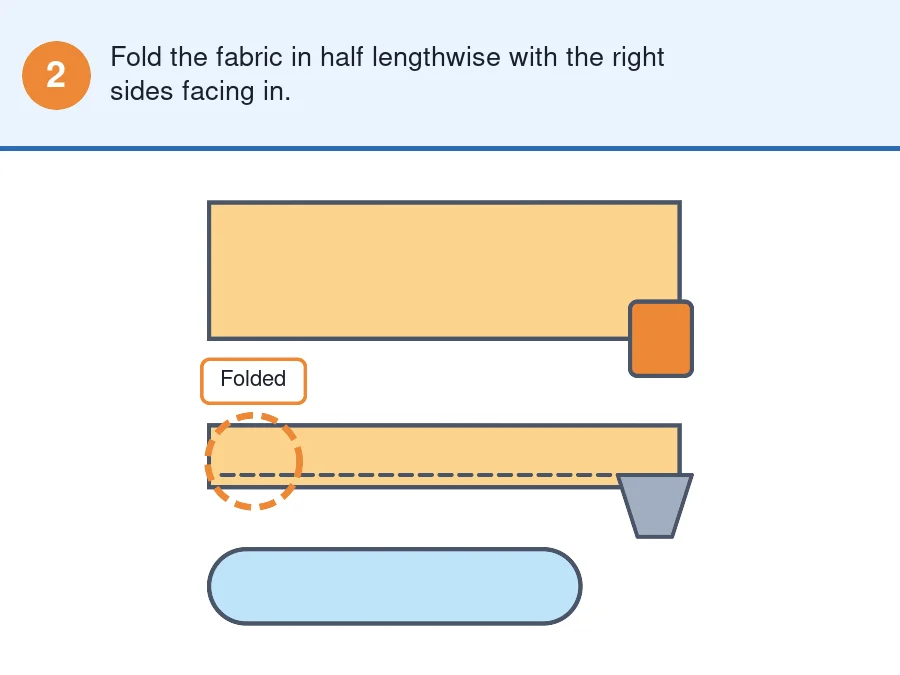
3. Sew along the long edge and one short end, with a half inch seam. Use glue if you do not sew.
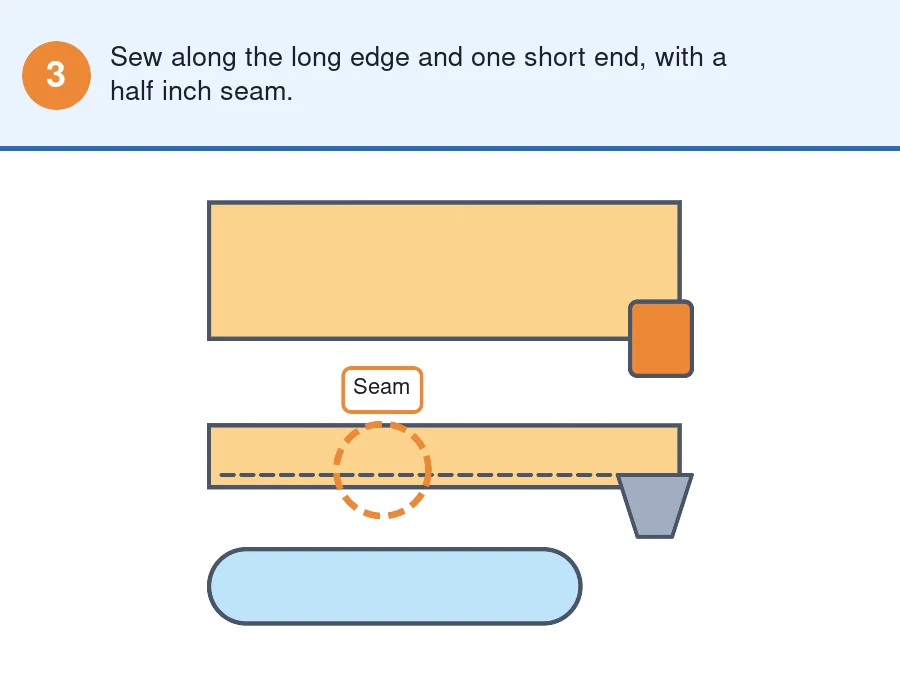
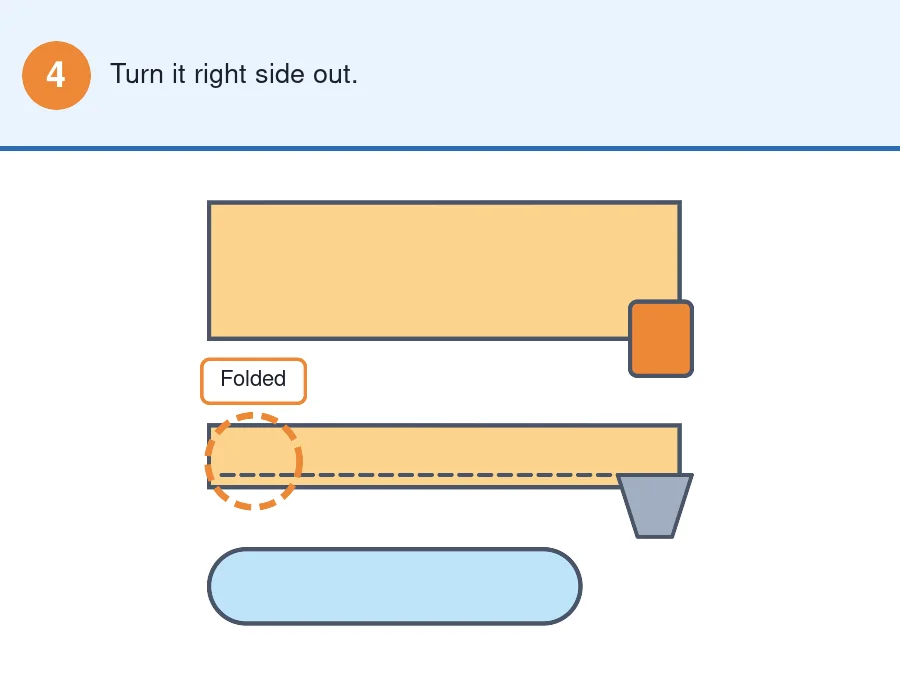
4. Turn it right side out.
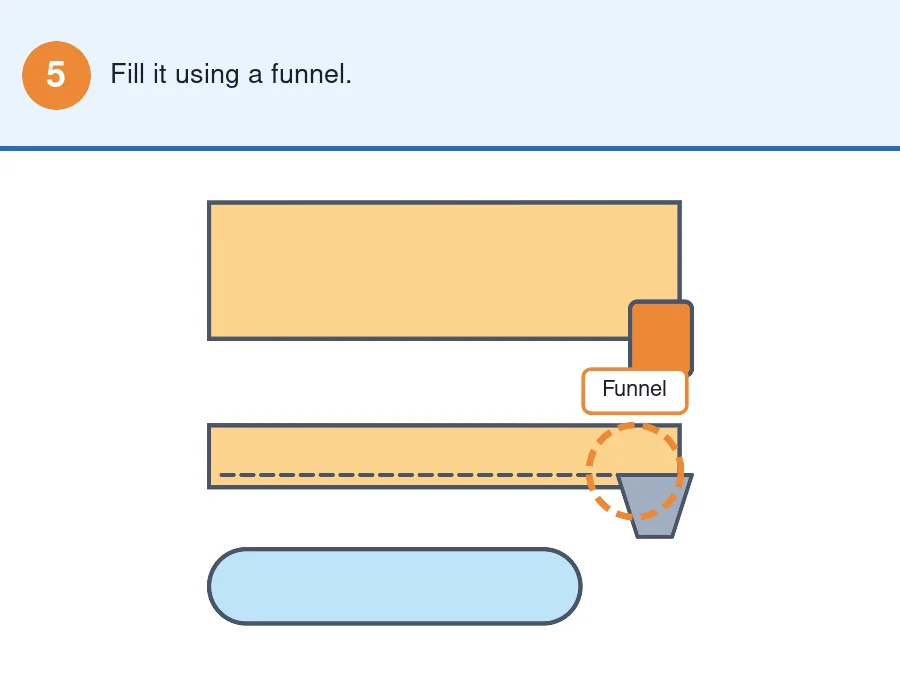
5. Fill it using a funnel. Pack the filling firmly but leave room to bend. Do not fill it completely.
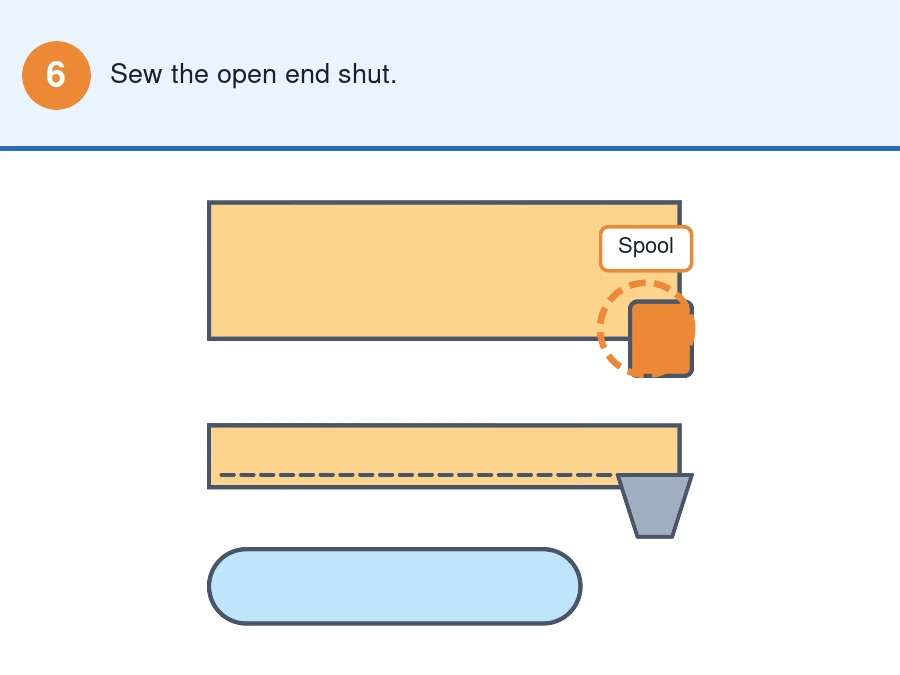
6. Sew the open end shut. Fold the edge inward and stitch closed.
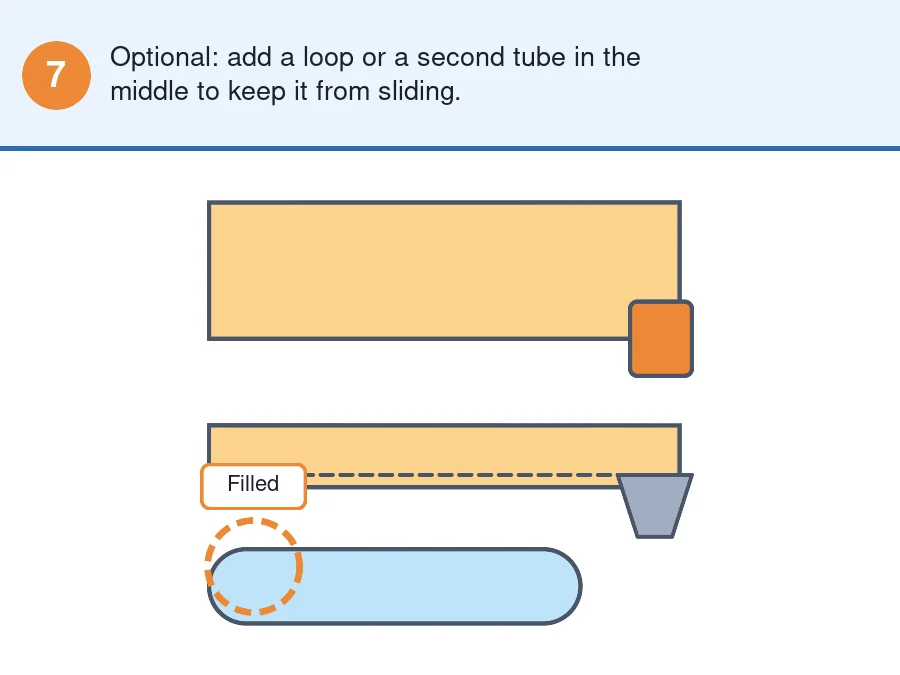
7. Optional: add a loop or a second tube in the middle to keep it from sliding.
How to use it
- Place it along the bottom of a closed door on the draft side. Push it tight against the door.
- On a window, lay it along the sill against the sash.
- For a door you open often, use a stopper that is attached to the door.
- Move it aside when you open the door.
Test whether it works
Use a tissue or incense stick before and after to see if the draft is reduced. See how to find air leaks in your home.
Other quick draft fixes
- Add a door sweep, with the right fit. See how to install a door sweep.
- Use window insulation film in winter. See how to apply window insulation film.
- Hang thick curtains.
- Seal gaps with caulk. See how to caulk around a window.
Care
Spot clean the fabric, or wash by hand if the filling allows. Do not soak it if it contains rice or beans. Check for tears and replace filling if it gets damp or smelly.
Related guides
- How to Use Curtains to Save Energy in Winter and Summer
- How to Stop a Cold Draft From a Fireplace
- Doors and Windows: Fix Sticking, Squeaking, Drafts and Damage
- Air Conditioner Not Cooling? Checks to Make
FAQ
Do draft stoppers really help?
They reduce cold air under doors and add a little comfort. They are a quick, low cost fix.
What if I do not sew?
Use fabric glue or buy a ready made stopper.
Can I use a rolled towel?
A tightly rolled towel works in an emergency, but a sealed stopper is better.
Where is best to use them?
At exterior doors, basement doors, and drafty windows.
More from this topic
- How to Set Ceiling Fan Direction for Each Season: Learn how to set ceiling fan direction for each season: counterclockwise in summer, clockwise on low in...
- How to Apply Window Insulation Film for a Warmer Winter Home: Learn how to apply window insulation film: clean the frame, place the tape, hang the film, shrink it with a...
- How to Use Curtains to Save Energy in Winter and Summer: Learn how to use curtains to save energy: choose thermal or lined styles, hang them close to the wall, open...
- How to Clean a Fireplace Safely After Winter: Learn how to clean a fireplace: remove ash the safe way, scrub soot from the firebox, clean the glass doors...
- How to Find Air Leaks in Your Home and Where to Seal First: Learn how to find air leaks in your home with simple checks: where drafts hide, how to test with incense or a...
 Heating and CoolingHow to Set Ceiling Fan Direction for Each SeasonLearn how to set ceiling fan direction for each season: counterclockwise in summer, clockwise on low in winter, how to test it, and what to do if it feels off.
 Heating and CoolingHow to Apply Window Insulation Film for a Warmer Winter HomeLearn how to apply window insulation film: clean the frame, place the tape, hang the film, shrink it with a hair dryer, and remove it cleanly in spring.
 Heating and CoolingHow to Use Curtains to Save Energy in Winter and SummerLearn how to use curtains to save energy: choose thermal or lined styles, hang them close to the wall, open and close them with the sun, and seal the edges.Heating and CoolingHow to Clean a Fireplace Safely After WinterLearn how to clean a fireplace: remove ash the safe way, scrub soot from the firebox, clean the glass doors and know when the chimney needs a sweep.
 Heating and CoolingHow to Find Air Leaks in Your Home and Where to Seal FirstLearn how to find air leaks in your home with simple checks: where drafts hide, how to test with incense or a tissue, and which gaps to seal first.