
Fix Uneven Patio Pavers: Lift and Reset Sunken Stones
Part of: Outdoors and garage
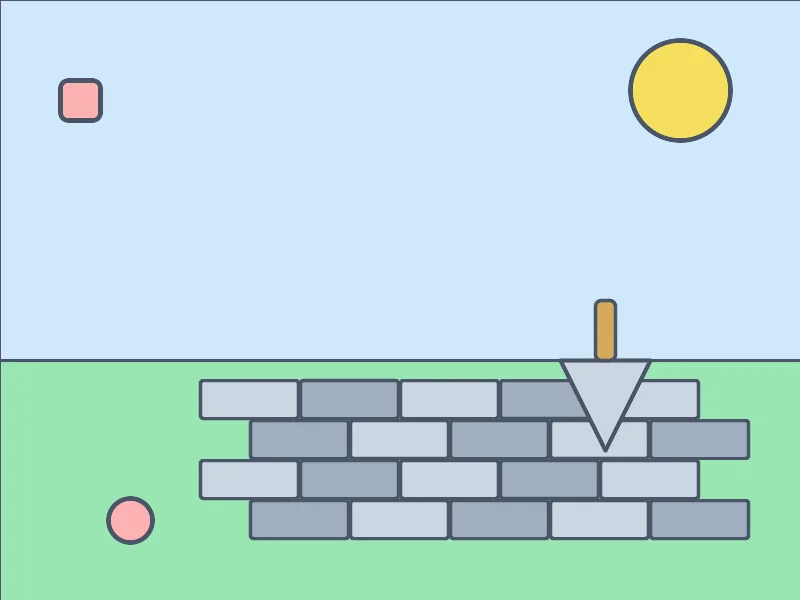
- Difficulty
- Moderate
- Time
- 2 to 5 hours, depending on area
- Tools
- Flat screwdriver or paver puller, rubber mallet, level, straight board, trowel, broom, hand tamper, gloves, knee pads, safety glasses
- Call a pro if
- large areas have sunk, the patio slopes toward the house or you see standing water that does not drain
In this guide
- Wear protection
- Call 811 before digging
To fix uneven patio pavers you lift them, level the base and set them again, which takes patience more than skill. Pavers settle over time. Rain washes sand away, tree roots push up from below and the base compacts. Soon one corner dips or a paver sits higher than its neighbors, and people trip. The fix is to lift the pavers, restore the base and sand, and set them back level. This guide shows how to do it for a small area without special machines.
This guide is part of our wider guide to garage, decks, fences and yard care.
Mark the area
Spot the pavers that are low or high. Mark them with chalk. Look at the pattern, and take a photo before you lift so that you can put them back the same way. Check why they moved. Water running under the patio, a leaking pipe or a tree root may be the cause. Fix that first.
Step by step
1. Sweep the joints and remove loose sand near the paver.
2. Pry out the first paver with a flat screwdriver or a puller. Work along the edge, and lift it up. Once one is out, others come out easily.
3. Set the pavers aside in the order you removed them.
4. Look at the base. It should be a layer of sand over compacted gravel. Remove weeds and roots.
5. Level the sand with a trowel and a straight board. Add sand to low spots and remove from high spots. A layer about one inch thick is typical.
6. Tamp the base firmly with a hand tamper.
7. Place the pavers back in the same order. Press each down.
8. Tap with a rubber mallet until the paver sits level with its neighbors.
9. Check with a level or a board across several pavers.
10. Sweep fine joint sand over the surface and into the gaps.
11. Mist lightly with water to settle the sand, and sweep again.
Check the slope
The patio should slope slightly away from the house, about one quarter inch per foot, so water drains. If the patio slopes toward the house, water can enter the foundation. If that is the case, you may need to rebuild the base, so call a pro.
Signs that point to each cause
A single low paver has lost sand below it. A wide dip has a washed-out base. A raised paver may have a root underneath. Gaps wider than a quarter inch have lost joint sand. Weeds in the joints point to lost sand. Moss may mean poor drainage. See How to remove weeds from driveway cracks and How to clean a concrete patio or driveway.
Use the right sand
Use coarse bedding sand under the pavers and fine polymeric or jointing sand in the joints. Do not use play sand or fine beach sand, since it washes out. Polymeric sand hardens with water and holds the pavers in place. Follow the instructions, and do it on a dry day.
Prevention
Keep joints filled with sand. Direct downspouts away from the patio. Remove weeds as they grow. Sweep sand back into the joints each year. Seal pavers if you like, after the sand has set.
Watch for settling after rain
After a heavy rain, walk the patio and look for puddles or new dips. Mark any and fix them soon, when the area is still small. Keep a bag of jointing sand on hand for touch-ups. A small repair every year is easier than a big rebuild.
Replace broken pavers
If a paver is cracked or chipped, replace it rather than reset it. Take it to a supplier to match the color and size. Cut pavers can fill odd shapes at the edges. Fit the new one dry before you add sand around it. A mismatched paver stands out, so mix a few from the old ones if you have spare.
Edge restraints
Pavers need a firm edge to stay in place. If the border is loose or missing, pavers spread and gaps open. Check the edge strip or the curb. Add landscape spikes or new edging to hold the border. Check it after the first heavy rain.
Related guides
- Patio Door Screen Repair: Fix Holes, Torn Mesh and Off-Track Screens
- How to Store Patio Furniture for Winter and Keep It Looking New
- How to Spot Termite Damage: Signs to Look For and What to Do Next
- How to Deal With a Wasp Nest Safely: When to DIY and When to Call a Pro
- How to Replace the Sand Between Patio Pavers
- How to Clean Pavers
FAQ
How deep should the sand be? About one inch.
Can I use regular sand in the joints? It washes out. Use jointing sand.
Why did my pavers sink? The base compacted or washed out.
Do I need a permit? Not usually for small repairs.
More from this topic
- How to Fix a Sinking Patio: Learn how to fix a sinking patio: find why the slabs dropped, choose lifting or rebuilding, correct the base...
- Fix Wobbly Mailbox Post: Reset, Tighten, Check Rot: Mailbox leaning or loose in the ground? Fix wobbly mailbox post problems by resetting it in concrete,...
- How to Level a Bumpy Lawn With Topdressing and Simple Tools: Learn how to level a bumpy lawn: find the low and high spots, topdress with a sand and compost mix, work it...
- How to Level a Shed: Learn how to level a shed: jack it up safely, shim or rebuild the base, and stop door and water problems for...
- How to Remove Moss From a Patio: Learn how to remove moss from a patio: scrape the growth, treat the joints, fix the shade and drainage, and...
 Garage and OutdoorsHow to Fix a Sinking PatioLearn how to fix a sinking patio: find why the slabs dropped, choose lifting or rebuilding, correct the base and keep water from washing it out again.
 Garage and OutdoorsFix Wobbly Mailbox Post: Reset, Tighten, Check RotMailbox leaning or loose in the ground? Fix wobbly mailbox post problems by resetting it in concrete, tightening the box and checking for rot or rust.
 Garage and OutdoorsHow to Level a Bumpy Lawn With Topdressing and Simple ToolsLearn how to level a bumpy lawn: find the low and high spots, topdress with a sand and compost mix, work it in, and reseed so the surface mows smooth.
 Garage and OutdoorsHow to Level a ShedLearn how to level a shed: jack it up safely, shim or rebuild the base, and stop door and water problems for good.
 Garage and OutdoorsHow to Remove Moss From a PatioLearn how to remove moss from a patio: scrape the growth, treat the joints, fix the shade and drainage, and keep the surface from turning green again.