
GFCI Keeps Tripping: What It Means and What to Do
Part of: Electrical safety
- Difficulty
- Easy
- Time
- 15 to 30 minutes of checks
- Tools
- Your appliances for testing, a dry work area, a plug-in outlet tester if you have one
- Call a pro if
- The GFCI trips with nothing plugged in, trips on more than one circuit, or you find scorch marks or a burning smell, since that points to wiring faults.
In this guide
A GFCI outlet watches for electricity leaking somewhere it should not, and it cuts power in a fraction of a second when it finds some. When a GFCI keeps tripping, it is almost never being fussy. Something downstream is leaking current, and the fix is finding what. Here is the safe order to work through it.
1. Understand what the trip is telling you
The device measures a difference.
1. A GFCI measures the current leaving on the hot wire and checks it against what comes back on the neutral.
2. Any missing current is leaking to ground, possibly through water or a person, and the device trips.
3. Repeated tripping means a repeated leak, not a weak device.
4. Occasional trips during storms point to moisture; constant trips point to a fault.
2. Unplug everything and reset once
Start from zero.
1. Unplug every device on the circuit, including ones in other rooms if the GFCI protects them.
2. Press reset firmly; you should feel a click.
3. If it holds with nothing plugged in, the wiring is probably fine and a device is the culprit.
4. If it will not hold empty, see gfci outlet will not reset and skip ahead to calling an electrician.
3. Add devices back one at a time
The oldest trick in electrical diagnosis, because it works.
1. Plug in one device, run it, and wait a few minutes.
2. Move to the next until the GFCI trips.
3. The device that triggers the trip is leaking current; retire it or have it serviced.
4. Water-loving appliances like kettles, pressure washers and old refrigerators are the usual offenders.
4. Check for moisture in the circuit
Water and GFCIs have a relationship.
1. Outdoor and bathroom GFCIs trip after rain when water enters a box or a cover.
2. Look for condensation inside outdoor covers and for cracked or missing gaskets.
3. In basements and crawl spaces, check for damp walls near the circuit.
4. Dry the location fully, fit a proper in-use weather cover outdoors, and retest.
5. Consider cumulative leakage
Sometimes no single device is guilty.
1. Many devices leak a tiny, harmless amount; on one circuit they can add up over the trip threshold.
2. Long circuit runs with several bathroom and outdoor outlets are prone to this.
3. Splitting loads across circuits, done by an electrician, solves it.
4. A new GFCI on a very long run that trips with light loads often has exactly this problem.
6. Suspect the device itself last
GFCIs wear out, but check everything else first.
1. GFCIs have a lifespan of roughly ten years and fail more often in harsh locations.
2. A device that trips with nothing plugged in, on a dry day, with verified wiring, is likely done.
3. Replacement is a careful DIY job with the breaker off, covered in how to replace a gfci outlet, or a quick electrician visit.
4. Test monthly with the test button, and replace any that fail the test.
7. Know the wiring faults that trip GFCIs
Behind-the-wall causes need a pro.
1. A shared neutral between circuits trips GFCIs in ways that look random.
2. A nail through a cable or rodent damage creates intermittent ground faults.
3. Bootleg grounds and reversed wiring show up on an outlet tester.
4. These are electrician jobs, as diy electrical work explains.
Common mistakes
- Resetting repeatedly without unplugging anything.
- Replacing the GFCI before testing the appliances on the circuit.
- Ignoring outdoor moisture because the cover "looks closed."
- Swapping a tripping GFCI for a standard outlet to make it stop.
- Assuming a new device cannot be faulty out of the box.
FAQ
Why does my GFCI keep tripping for no reason?
There is always a reason: a leaking appliance, moisture in the circuit, cumulative leakage from many devices, a wiring fault or a failing GFCI itself. Unplug everything and add devices back one at a time to find it.
Why does my outdoor GFCI trip when it rains?
Water is entering an outdoor box, a cover gasket has failed, or a connected device like a pump or lighting transformer is getting wet. Fit an in-use weather cover and check every connection outdoors.
Can a bad appliance trip a GFCI?
Yes, and it is the most common cause. Appliances with heating elements and motors develop internal leakage as they age. The one-at-a-time test identifies the guilty device.
How often should GFCI outlets be replaced?
Roughly every ten years, sooner in damp or outdoor locations, and immediately if one fails its own test button or trips with nothing connected on a verified good circuit.
Related guides
- How to Replace a GFCI Outlet Safely (Installation Steps): Learn how to replace a GFCI outlet. Turn off the power, identify line and load wires, connect the new outlet...
- How to Reset a Tripped Breaker Safely: How to reset a tripped breaker safely, what usually causes it, and the warning signs that mean you should...
- How to Test a GFCI Outlet in Under a Minute: Learn how to test a GFCI outlet: use the test and reset buttons, check it with a plug-in tester, and know...
- Circuit Breaker Keeps Tripping When Microwave Runs: Circuit breaker keeps tripping when microwave runs? Learn the usual causes, a safe way to test them and when...
- How to Replace a Two-Prong Outlet Safely: Learn how to replace a two-prong outlet safely, what your options are when there is no ground wire and when...
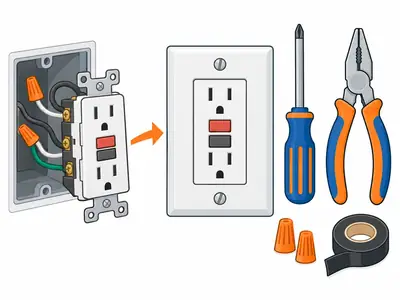 Electrical BasicsHow to Replace a GFCI Outlet Safely (Installation Steps)Learn how to replace a GFCI outlet. Turn off the power, identify line and load wires, connect the new outlet and test it with the test and reset buttons.
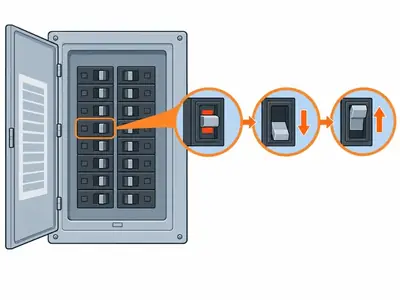 Electrical BasicsHow to Reset a Tripped Breaker SafelyHow to reset a tripped breaker safely, what usually causes it, and the warning signs that mean you should call an electrician. Steps and safety tips included.Electrical BasicsHow to Test a GFCI Outlet in Under a MinuteLearn how to test a GFCI outlet: use the test and reset buttons, check it with a plug-in tester, and know when the outlet needs replacing.
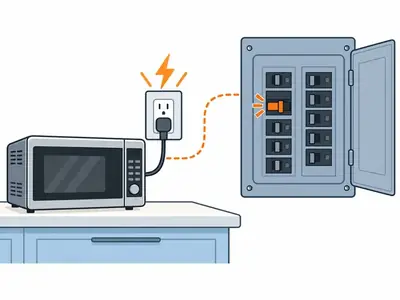 Electrical BasicsCircuit Breaker Keeps Tripping When Microwave RunsCircuit breaker keeps tripping when microwave runs? Learn the usual causes, a safe way to test them and when to stop and call a licensed electrician.
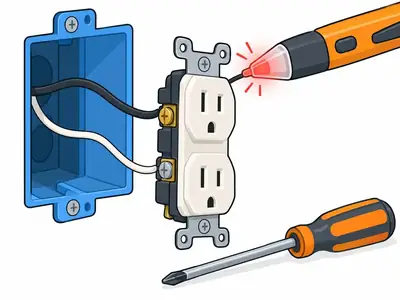 Electrical BasicsHow to Replace a Two-Prong Outlet SafelyLearn how to replace a two-prong outlet safely, what your options are when there is no ground wire and when to call an electrician. Step by step guide.