
How to Test a GFCI Outlet in Under a Minute
Part of: Electrical safety
- Difficulty
- Easy
- Time
- Under five minutes per outlet
- Tools
- A plug-in outlet tester if you have one, a small lamp or phone charger
- Call a pro if
- The outlet will not reset, trips constantly without a load, or there is no GFCI protection near water, since those need an electrician's attention.
In this guide
GFCI stands for ground fault circuit interrupter. It cuts power in a fraction of a second when electricity leaks where it should not, like through water or a person. Testing takes seconds. Here is how to test a GFCI outlet properly.
1. Find every GFCI outlet
1. Look for outlets with test and reset buttons between the slots.
2. Check bathrooms, the kitchen, the garage, the basement, outdoors and laundry areas.
3. One GFCI can protect several plain outlets downstream on the same circuit.
4. If an outlet near water has no buttons, it may be protected at another outlet or the breaker; a tester tells you.
2. Do the button test
1. Press the test button; you should hear a click as the outlet trips.
2. The reset button should pop out slightly.
3. Plug in a lamp and confirm it is off.
4. Press reset until it clicks, and confirm the lamp works again.
3. Use a plug-in tester for a real check
1. A cheap outlet tester plugs in and lights up to show wiring status.
2. Press the tester's button; it creates a real ground fault and trips the GFCI.
3. This test proves the outlet trips on an actual fault, not just its own button.
4. It also reveals reversed wires, which the outlet's own button cannot.
4. Know what failure looks like
- Pressing TEST should cut the power. If it does not, the GFCI has failed and should be replaced.
- If the outlet will not reset, it may be failed, miswired or detecting a real fault.
- If it trips constantly with nothing plugged in, there is a fault on the circuit.
- Any of these means stop using the outlet until it is fixed.
5. Test the downstream outlets
1. Plug the tester into plain outlets on the same circuit.
2. Trip the GFCI and confirm the plain outlets lose power too.
3. Label protected outlets so you know they are covered.
6. Check outdoor and garage outlets
1. Outdoor GFCIs face weather and fail sooner; test them monthly.
2. Make sure covers close and seal; our guide on installing an outdoor outlet cover shows the right type.
3. Garage outlets need GFCI protection for power tools and wet floors.
4. Replace any outdoor outlet that is cracked or corroded, not just untripped.
7. Set a testing habit
- Test every GFCI monthly; tie it to a bill or calendar reminder.
- Test after storms and power outages, which can damage them.
- Replace GFCIs every ten years or so, even if they still trip.
- Keep a plug-in tester in the kitchen drawer so testing is easy.
8. Understand what GFCI does not do
- It does not protect against overloads; that is the breaker's job.
- It does not protect between hot and neutral, only leaks to ground.
- It cannot fix bad wiring, only shut it down fast.
- AFCIs protect against arc faults and are a different device; many areas now want both.
Common mistakes
- Assuming a GFCI works because it has power.
- Testing once at move-in and never again.
- Confusing the breaker tripping with the GFCI tripping.
- Replacing a failed GFCI with a plain outlet to stop the tripping.
- Plugging a freezer into a GFCI and losing food to a nuisance trip.
FAQ
How often should GFCI outlets be tested?
Monthly, using the test button, plus after any lightning storm or outage. They fail silently, so the test is the only way to know.
Why does my GFCI keep tripping?
Usually a real fault: a wet appliance, a damaged cord or moisture in an outdoor box. If it trips with nothing plugged in, call an electrician.
What is the difference between GFCI and a regular outlet?
A GFCI watches for current leaking to ground and shuts off in a fraction of a second, fast enough to prevent a deadly shock.
Can I replace a regular outlet with a GFCI myself?
It is a common DIY swap with the power off and careful wiring. Our replacement guide walks through it step by step.
Related guides
- GFCI Keeps Tripping: What It Means and What to Do: When a GFCI keeps tripping, it is doing its job: a ground fault, a wet location, a bad appliance or a failing...
- GFCI vs AFCI: What Is the Difference?: GFCI vs AFCI: learn what each protects against, where they are used and how to test them. A clear guide for...
- How to Replace a Two-Prong Outlet Safely: Learn how to replace a two-prong outlet safely, what your options are when there is no ground wire and when...
- How to Replace a GFCI Outlet Safely (Installation Steps): Learn how to replace a GFCI outlet. Turn off the power, identify line and load wires, connect the new outlet...
- How to Protect Electronics From Power Surges: Learn how to protect electronics from power surges: use surge protectors correctly, unplug during storms,...
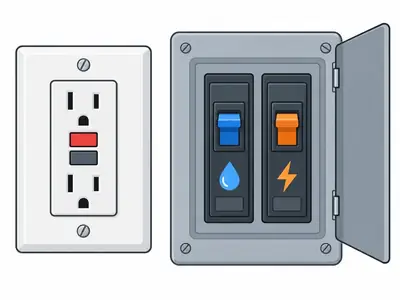 Electrical BasicsGFCI vs AFCI: What Is the Difference?GFCI vs AFCI: learn what each protects against, where they are used and how to test them. A clear guide for first-time homeowners.
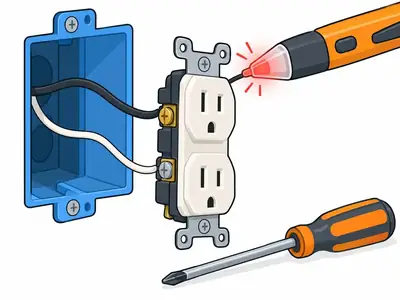 Electrical BasicsHow to Replace a Two-Prong Outlet SafelyLearn how to replace a two-prong outlet safely, what your options are when there is no ground wire and when to call an electrician. Step by step guide.
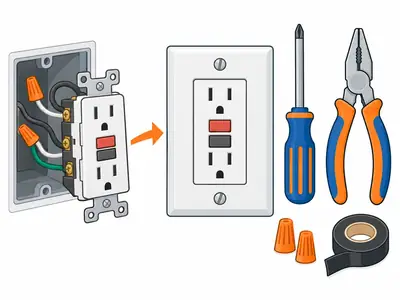 Electrical BasicsHow to Replace a GFCI Outlet Safely (Installation Steps)Learn how to replace a GFCI outlet. Turn off the power, identify line and load wires, connect the new outlet and test it with the test and reset buttons.Electrical BasicsHow to Protect Electronics From Power SurgesLearn how to protect electronics from power surges: use surge protectors correctly, unplug during storms, check ratings and know when to ask an electrician.