
How to Build a Low Retaining Wall for a Planting Bed
Part of: Outdoors and garage
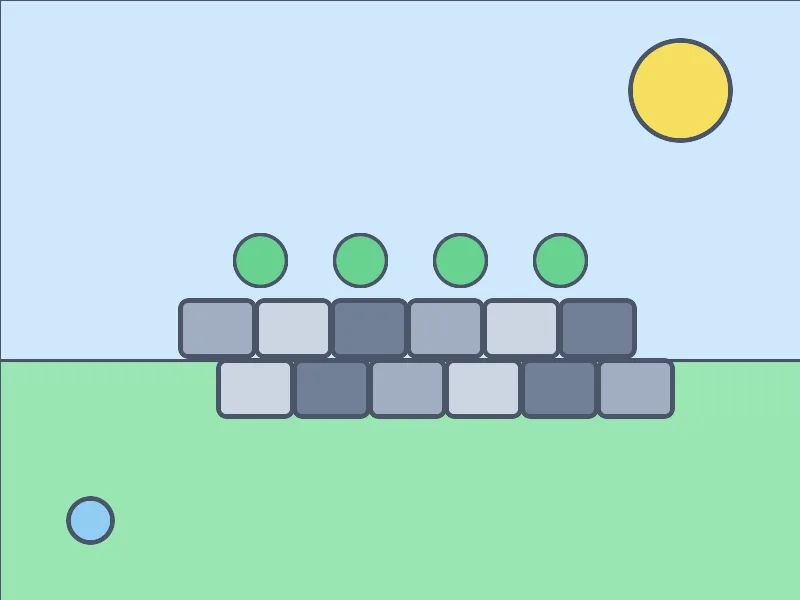
- Difficulty
- Moderate
- Time
- A weekend for a wall up to about 2 feet high
- Tools
- Shovel, mattock or pick, hand tamper, level, string line and stakes, work gloves, safety glasses, wheelbarrow, blocks or treated timbers, coarse gravel, landscape fabric, perforated drain pipe
- Call a pro if
- The wall would hold back more than about 2 feet of soil, sits under a slope or a driveway, or has water pushing through the bank, since those need an engineered design and often a permit.
In this guide
- Gas safety
- Wear protection
- Call 811 before digging
A planting bed on a slope washes out, dries unevenly and is awkward to mow around. A low wall holds the soil, gives the bed a clean edge and turns a wasted bank into usable ground. Here is how to build a low retaining wall for a planting bed.
1. Check the rules and the height
1. Measure the height you need from the lowest ground at the front to the soil level behind.
2. Keep a first wall to about 2 feet or less. Above that, weight and water need an engineer.
3. Ask your local building department whether a permit is needed, since the trigger height varies.
4. Check any homeowner association rules on wall materials and heights.
5. Call 811 and wait for the marks before the shovel goes in.
2. Mark the line and strip the ground
1. Set stakes at each end and run a string line along the face of the wall.
2. Add a slight batter, so the wall leans back about 1 inch per foot of height.
3. Mark a trench width of at least the block depth plus 6 inches for drainage gravel.
4. Strip grass and topsoil inside the line and set it aside for the bed.
5. Dig until you reach firm, undisturbed soil rather than fill.
3. Dig a level trench
1. Dig the trench about 6 inches deep and 6 inches wider than the block.
2. Check the bottom with a level on a straight board, working in sections.
3. Remove soft spots and refill them with compacted gravel.
4. Keep the trench bottom flat, not sloping with the ground.
5. A level first course is the whole job; rushing this step shows up later.
4. Compact a gravel base
1. Fill the trench with coarse gravel to about 2 inches below the finished grade.
2. Compact it in two thin layers with a hand tamper.
3. Recheck the level after each pass.
4. Dampen the gravel slightly if it will not lock up.
5. Lay the first course
1. Set the first block at one end and check it for level in both directions.
2. Work along the line, checking each block against the string.
3. Use a rubber mallet to settle blocks, not a steel hammer.
4. Keep joints tight and even.
5. Fill the cores of the first course with gravel once the run is level.
6. Stack the courses
1. Offset each block by half a block over the joint below, like brickwork.
2. Check level every few blocks, and check the batter against the string.
3. Cut blocks at the ends with a chisel and hammer, or rent a block splitter.
4. Keep the top course flat and level, since it will show.
5. Cap the wall if the block system has caps, glued in place with exterior adhesive.
7. Drain the soil behind the wall
1. Place landscape fabric against the back of the wall so soil cannot wash into the gravel.
2. Fill the space behind the wall with coarse gravel about 12 inches wide.
3. Lay perforated drain pipe on the gravel at the base, holes facing down.
4. Slope the pipe to daylight at a low end, or into a dry well.
5. Fold the fabric over the gravel so the soil stays out.
8. Backfill and plant
1. Add soil behind the wall in 6 inch layers and firm each one.
2. Leave the soil about an inch below the top of the wall so mulch does not spill.
3. Water the bed slowly to settle the soil, then top it up.
4. Plant with the root ball fully in soil, not in the drainage gravel.
9. Check it after rain
1. Look for water running over the top of the wall, which means the drain is blocked or missing.
2. Check the face for bulging or leaning after the first heavy rain.
3. Top up gravel or soil that has settled.
4. Keep downspouts and gutter outlets away from the wall; our guide on directing water away from a house covers the routing.
Common mistakes
- Building higher than planned without engineering, then watching the wall lean.
- Skipping the gravel base, so the first course settles unevenly.
- Leaving out drainage gravel and pipe, which lets water push the wall over.
- Setting the trench bottom on a slope instead of level.
- Planting right against the wall, so roots and watering disturb the base.
Related guides
- How to Build a Simple Cold Frame for Winter Greens
- How to Fill a Low Spot in a Lawn With Topsoil
- How to Start Seeds Indoors for a Stronger Garden
- How to Install a Retaining Wall Drain
FAQ
How high can I build a retaining wall myself?
Keep a first wall to about 2 feet. Anything higher, or any wall holding a slope, driveway or structure, should be designed by an engineer and usually needs a permit.
Do I need drainage behind a low wall?
Yes. Even a low wall traps water, and gravel plus a perforated pipe is what stops that water from pushing the wall out in winter.
Can I use treated timber instead of block?
Yes for very low walls, using 4x4 or 6x6 timbers pinned with rebar. Timber rots over time, so block lasts longer.
How do I stop weeds growing through the joints?
Fill joints tightly, top the bed with mulch and pull weeds while they are small. Avoid fabric under the bed, which starves plants of water and air.
More from this topic
- How to Build a Low Brick Garden Wall: Learn how to build a low brick garden wall: set a firm footing, lay the first course true and keep the joints...
- How to Build a Raised Garden Bed: Learn how to build a raised garden bed: pick a sunny level spot, choose rot resistant boards, cut and join...
- How to Build a Garden Wall From Concrete Blocks: Learn how to build a garden wall from concrete blocks: set a level footing, lay courses true and cap it so it...
- How to Build a Dry Creek Bed: Learn how to build a dry creek bed: dig a shallow swale on the water path, line it and set river rock to...
- How to Build a Rain Garden: Learn how to build a rain garden: pick a spot that drains, dig a shallow basin and plant it to soak up roof...
 Garage and OutdoorsHow to Build a Low Brick Garden WallLearn how to build a low brick garden wall: set a firm footing, lay the first course true and keep the joints and drainage right.
 Garage and OutdoorsHow to Build a Raised Garden BedLearn how to build a raised garden bed: pick a sunny level spot, choose rot resistant boards, cut and join the frame, line the base and fill it with a soil mix.
 Garage and OutdoorsHow to Build a Garden Wall From Concrete BlocksLearn how to build a garden wall from concrete blocks: set a level footing, lay courses true and cap it so it lasts.
 Garage and OutdoorsHow to Build a Dry Creek BedLearn how to build a dry creek bed: dig a shallow swale on the water path, line it and set river rock to carry runoff away.
 Garage and OutdoorsHow to Build a Rain GardenLearn how to build a rain garden: pick a spot that drains, dig a shallow basin and plant it to soak up roof and driveway runoff.