
Water Heater Reset Button Keeps Tripping: What It Means
Part of: Basic plumbing
- Difficulty
- Moderate
- Time
- 30 to 60 minutes of checks
- Tools
- A screwdriver, a multimeter, a flashlight, insulated gloves
- Call a pro if
- You find burnt wiring or a melted component, the breaker also trips, or you are not comfortable testing live circuits, since these are pro jobs.
In this guide
- Understand what the button is protecting you from
- Check the thermostat settings
- Test the thermostats for a stuck contact
- Test the elements for a ground fault
- Check for loose or burnt wiring
- Look for a shorted heating cycle pattern
- Know when the tank itself is the problem
- Common mistakes
- Related guides
- FAQ
- When to call a pro
- Power off first
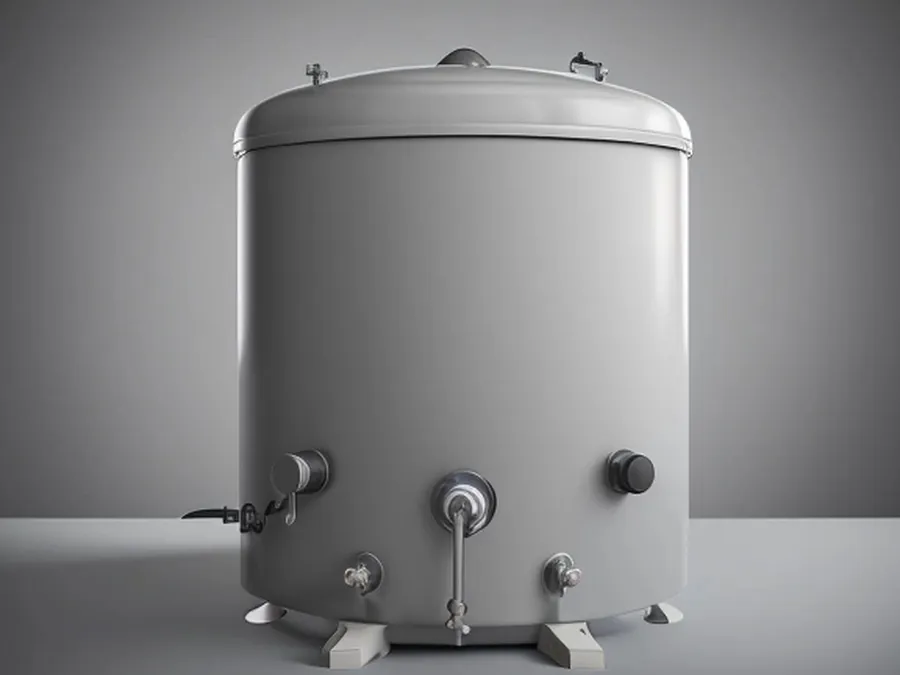
The red reset button on an electric water heater is a high-limit safety switch. It trips for exactly one reason: the water got too hot. So when the water heater reset button keeps tripping, the heater is telling you something is overheating the tank, and pressing the button without finding the cause buys you a few hours at best. Here is what it means and what to check.
1. Understand what the button is protecting you from
This is not a nuisance trip.
1. The high-limit switch cuts power when tank water exceeds a safe temperature, usually around 170 degrees Fahrenheit.
2. Repeated trips mean repeated overheating, which can damage the tank and create scald risk.
3. The fix is the overheating cause, not the button.
4. If water from your faucets feels dangerously hot between trips, that confirms it.
2. Check the thermostat settings
Simple causes first.
1. Power off at the breaker, remove the upper access panel and insulation.
2. Both thermostats should read about 120 degrees Fahrenheit; a dial bumped high overheats the tank.
3. On dual-element heaters, both thermostats must be set the same.
4. A setting that creeps back up after adjustment points to a failing thermostat.
3. Test the thermostats for a stuck contact
The classic cause of repeat trips.
1. A thermostat whose contacts weld shut keeps the element powered past the set point.
2. With a multimeter, test whether the thermostat cuts power at its set temperature; replacement is needed if it does not.
3. The upper thermostat is the more common failure on dual-element tanks.
4. Replacement is a moderate DIY job with the power off, or a quick visit from a pro.
4. Test the elements for a ground fault
A cracked element overheats water continuously.
1. Shut off power, disconnect the element wires, and test each terminal to the tank body.
2. Any continuity to ground means the element sheath has failed and the element is heating uncontrollably.
3. Replace grounded elements; do not reuse them.
4. Sediment burying the lower element accelerates this failure, which is why water heater maintenance matters.
5. Check for loose or burnt wiring
Heat at connections points to trouble.
1. Look for discolored, melted or loose wire connections at the thermostats and elements.
2. A loose connection creates heat that the high-limit switch can read as overheating.
3. Tighten clean connections; replace burnt wires and any component with heat damage.
4. Burnt insulation or a scorched smell means stop and call an electrician.
6. Look for a shorted heating cycle pattern
Watch how the trips behave.
1. A trip that recurs within hours of a reset points to a stuck thermostat or grounded element.
2. A trip only during heavy use points to an undersized or struggling heater working flat out.
3. A trip alongside a tripping breaker points to an electrical fault, not just overheating.
4. Note the pattern before you call anyone; it halves the diagnostic time.
7. Know when the tank itself is the problem
Sometimes the answer is bigger.
1. Heavy sediment on the tank bottom superheats and trips the limit; you will hear popping and rumbling.
2. A tank past ten or twelve years with repeat overheating is usually near replacement; see when to replace your water heater.
3. A leaking tank with electrical faults is done, full stop.
4. Recurring trips on a new heater suggest an installation or wiring fault worth a pro visit.
Common mistakes
- Pressing reset repeatedly without diagnosing anything.
- Testing thermostats or elements on a live circuit without proper training.
- Replacing the reset button itself, which almost never fixes the cause.
- Ignoring scald-hot tap water between trips.
- Resetting without cutting the breaker first.
Related guides
- Pilot Light Keeps Going Out: What It Means
- Electric Water Heater Element: How to Test and Replace It
- Replace Water Heater Thermostat Safely (Electric)
- How to Check a Water Heater Expansion Tank
- Water Heater Leaking From the Bottom
FAQ
Why does the reset button on my water heater keep tripping?
The high-limit switch trips when tank water overheats. The usual causes are a stuck thermostat, a heating element shorted to ground, loose wiring or heavy sediment. The button is the symptom, not the problem.
Is it safe to keep pressing the reset button?
One reset to restore hot water is fine while you plan a fix. Repeated resets without diagnosis are not: the heater keeps overheating, which risks scalding and tank damage.
Can a bad thermostat cause the reset button to trip?
Yes, it is the most common cause. A thermostat whose contacts stick keeps powering the element past the set point until the high-limit switch cuts in.
Do I need a plumber or an electrician for this?
Either trade handles water heater thermostats and elements. Choose an electrician when wiring or the breaker is involved, a plumber when the tank, sediment or a gas control is the issue.
More from this topic
- Pilot Light Keeps Going Out: What It Means: When a water heater pilot light keeps going out, the thermocouple, a draft or the gas control is usually...
- How to Replace a Well Pressure Switch: How to replace a well pressure switch: kill the power, swap the switch on its nipple and set the cut-in and...
- Brown Water From the Faucet: What It Means: Brown water from the faucet usually means stirred-up sediment, old galvanized pipes or water heater rust....
- Faucet Water Smells Like Rotten Eggs: What It Means: Water smells like rotten eggs? It usually comes from the water heater's anode rod or bacteria in the supply....
- How to Light a Water Heater Pilot Light Safely: How to light a water heater pilot: the gas smell check, the lighting sequence on the tank label, and what to...
 PlumbingHow to Replace a Well Pressure SwitchHow to replace a well pressure switch: kill the power, swap the switch on its nipple and set the cut-in and cut-out right.
 PlumbingBrown Water From the Faucet: What It MeansBrown water from the faucet usually means stirred-up sediment, old galvanized pipes or water heater rust. Learn the checks that tell them apart.
 PlumbingFaucet Water Smells Like Rotten Eggs: What It MeansWater smells like rotten eggs? It usually comes from the water heater's anode rod or bacteria in the supply. A two-glass test tells which.
 PlumbingHow to Light a Water Heater Pilot Light SafelyHow to light a water heater pilot: the gas smell check, the lighting sequence on the tank label, and what to do when it will not stay lit.