
Lights Dim When Appliance Starts: What It Means
Part of: Electrical safety
- Difficulty
- Easy to observe, electrician needed for most fixes
- Time
- 20 to 40 minutes of checking
- Tools
- Notepad, flashlight, the appliance labels, a plug-in outlet tester
- Call a pro if
- lights dim and flicker often, you smell burning, outlets or switches feel hot, the breaker trips or the whole house dims
In this guide
- Power off first
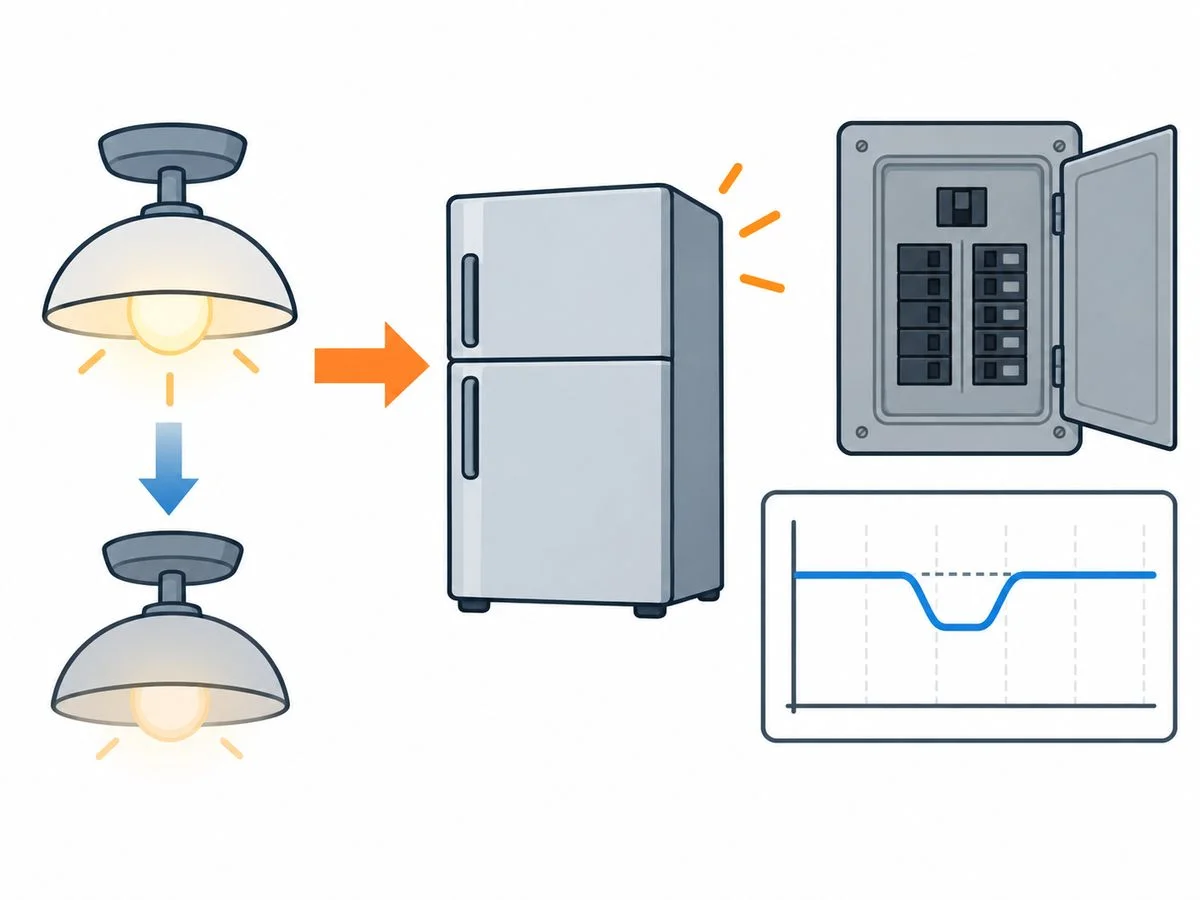
When lights dim when appliance starts, you may have a normal momentary dip or a wiring problem. If your lights dim when an appliance starts, you are seeing a brief drop in voltage. A quick, small dip is common. A big dip, a flicker that lasts or dimming that comes with other signs can mean the circuit is overloaded or that a connection is loose.
This guide is part of our wider guide to electrical problems and safety.
Why it happens
Motors in appliances such as refrigerators, air conditioners, washers and garage door openers draw a surge of current when they start. That surge briefly pulls the voltage down on the same circuit, and incandescent and some LED bulbs dim. A slight dip that lasts less than a second is usually harmless.
What is not normal
- Dimming that is strong or lasts several seconds.
- Dimming in the whole house, not one room.
- Flickering with no appliance running.
- Buzzing, crackling or a warm panel.
- Appliances that run poorly or stall.
Step by step: find the pattern
1. Note which appliance causes the dimming. Is it one device or many?
2. Note which lights dim. The same room, or the whole house?
3. Check the circuit. Find out whether the appliance and the lights share a circuit. How to find your electrical panel and label breakers shows how to map circuits.
4. Count the load. If many devices share the circuit, move some to other outlets. See Power strip overload: how to spot it.
5. Try a different outlet. Plug the appliance into an outlet on another circuit. If the dimming stops, the first circuit was loaded.
6. Test the bulbs. Replace the bulb with a different brand or type. LED bulbs sometimes react to small dips more.
7. Check for loose bulbs or switches. A loose bulb or a worn switch can flicker on its own.
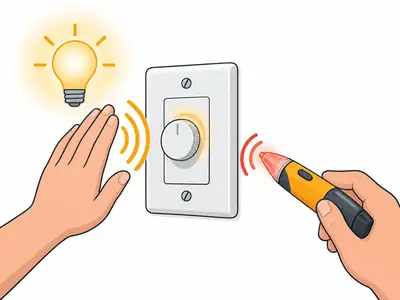
8. Feel for warmth. With the appliance off, check outlets and switches for warmth on the cover plate. Do not open them.
Possible causes by pattern
- One appliance, one room: an overloaded circuit.
- Whole house dims: a loose neutral or main connection, or a problem with the utility service. This is a safety issue. Call an electrician or the utility.
- Flicker with no pattern: loose bulb, bad switch, loose wire in a box.
Do not ignore it
A loose connection in the panel or meter can overheat. If a pattern repeats and you cannot explain it, have an electrician inspect the panel. See also Light switch hot or buzzing: what it means.
What to tell an electrician
Keep a short log: which appliance, which lights, how long the dim lasts, the time of day and whether it started recently. Mention any recent work on the house, new appliances and storms. A clear log helps the electrician decide whether to check the panel, the service connection or a single circuit, and it often shortens the visit.
Simple ways to reduce the effect
Plug large appliances into their own circuits where possible. Avoid running the microwave, toaster and kettle on the same circuit. If a new appliance, such as a window air conditioner, causes dimming, it may need its own dedicated circuit. An electrician can add one. Soft-start devices are also made for some air conditioners and compressors, but check compatibility first.
Related guides
- How to Test Your Home for Radon: Steps, Timing and What the Result Means
- How to Reset a Tripped Breaker Safely
- Hose Bib Vacuum Breaker Leaks: How to Stop Water Spraying From the Spigot
- Low Voltage Landscape Lights Not Working: What to Check
FAQ
Is dimming when the AC starts normal?
A brief dip can be normal. Frequent or deep dips need a check.
Can LED bulbs fix it?
They can hide small dips, but they do not fix an overloaded circuit.
Should I call the utility?
If the whole house dims, yes. The problem may be on their side of the meter.
Can I fix a loose wire myself?
Only with the breaker off and tested. If you are not sure, hire an electrician.
More from this topic
- Loose Plug in an Outlet: How to Fix It: Loose plug in an outlet keeps falling out? Learn why outlets wear out, when replacement is the safe fix and...
- How to Prevent Overloading a Circuit: Learn how to prevent overloading a circuit by adding up the load, spreading appliances across circuits, and...
- How to Install Plug-In Under-Cabinet Lighting: Learn how to install plug-in under-cabinet lighting. Plan the layout, mount the light bars, hide the cords...
- How to Replace a Doorbell Transformer: Learn how to test and replace a doorbell transformer. Find it, check the voltage, turn off the power and wire...
- Light Switch Hot or Buzzing: What It Means: Light switch hot or buzzing? Learn common causes like dimmer load or loose wires, which steps are safe, and...
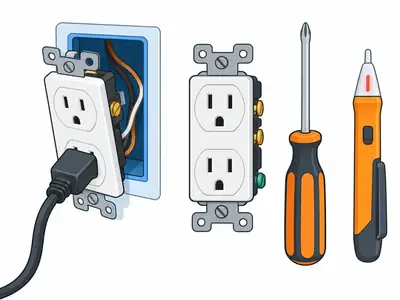 Electrical BasicsLoose Plug in an Outlet: How to Fix ItLoose plug in an outlet keeps falling out? Learn why outlets wear out, when replacement is the safe fix and how to do it with the power off and tested.Electrical BasicsHow to Prevent Overloading a CircuitLearn how to prevent overloading a circuit by adding up the load, spreading appliances across circuits, and reading the warning signs early.
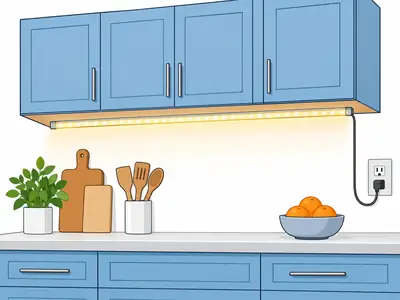 Electrical BasicsHow to Install Plug-In Under-Cabinet LightingLearn how to install plug-in under-cabinet lighting. Plan the layout, mount the light bars, hide the cords and use a switch or plug timer. No wiring needed.
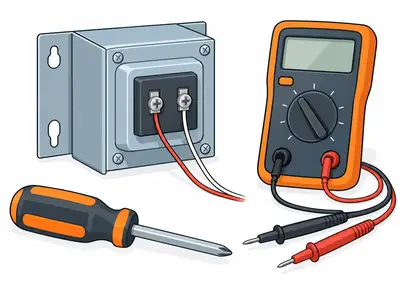 Electrical BasicsHow to Replace a Doorbell TransformerLearn how to test and replace a doorbell transformer. Find it, check the voltage, turn off the power and wire a new one safely. Step by step guide.
 Electrical BasicsLight Switch Hot or Buzzing: What It MeansLight switch hot or buzzing? Learn common causes like dimmer load or loose wires, which steps are safe, and when to call an electrician.